NEW CDMX CURATED MAP powered by UBER

REDEFINING THE LAST MILE.
So you can move like the savvy goose who owns the pond.

CDMX

logo

CDMX airport terminals

Press the button for your desired terminal.

The Uber app will launch automatically, pre-filling your destination for a seamless experience.

MEXICO CITY WEATHER
FORECAST

TIME NOW IN
Mexico City, México

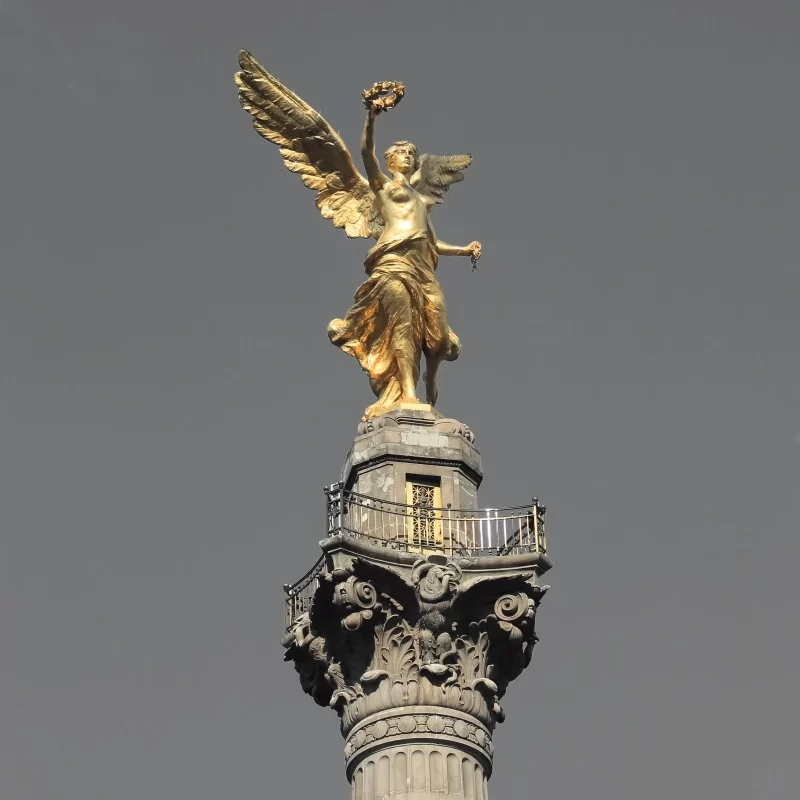
Angel of the Independence, La Juarez, Mexico City. Photograph by © Kiko Kairuz 2024.
The Angel of Independence.

“CDMX, cured.”

“UNMASKING THE SOUL OF MEXICO”

Mexico City isn’t just a place; it’s a living organism of infinite layers. A world-class masterpiece of creative rebellion and quiet luxury. This monumental archive moves at the speed of the global avant-garde.
 
THE CITYMAPPS VISION:
We’ve filtered the noise to provide the definitive roadmap. Our guide is a seamless, frictionless journey through the capital’s heart.

This is the high-altitude insider perspective, this is our CDMX Curated Map.

THE ESSENCE
THE PULSE
THE SETTING
THE SEASONS
THE GOLDEN PEAK
THE AFTERGLOW


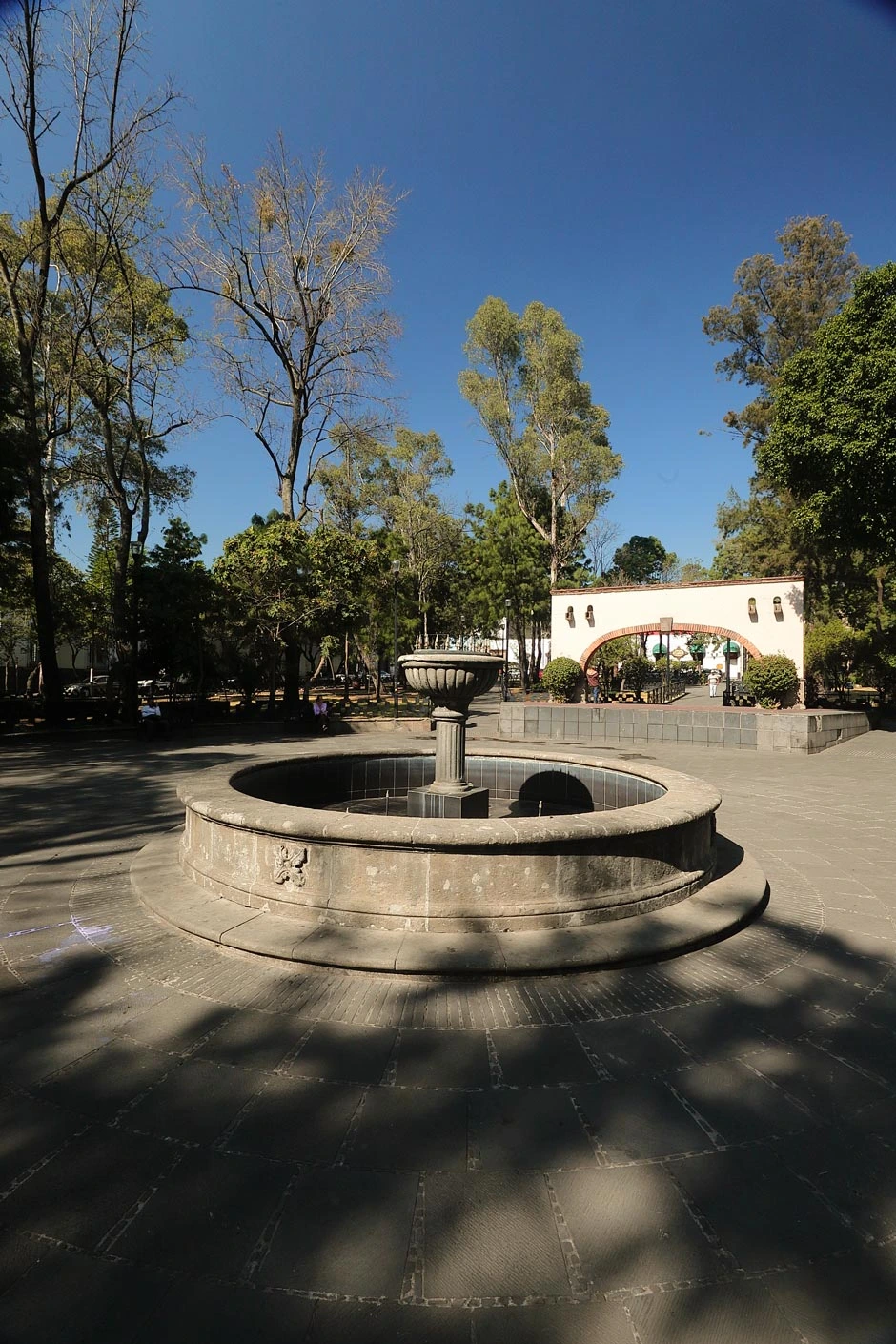
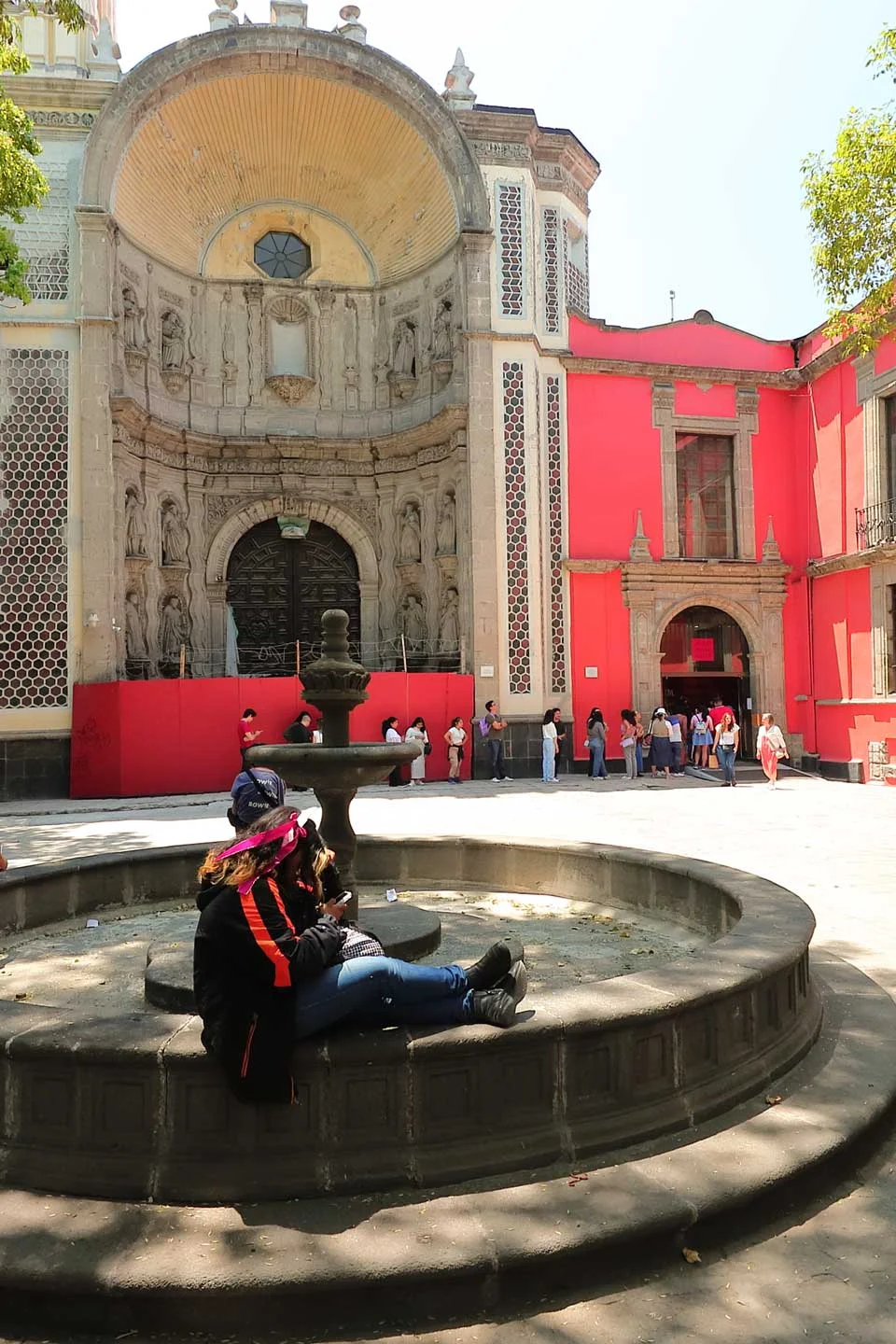
Plaza Santa Catarina - Centro Histórico - Ciudad de México CDMX - Foto por © Kiko Kairuz 2024
Santa Catarina Square – CDMX Curated Map.

THE ESSENCE

“A WORLD WITHIN A CITY. A ROADMAP FOR THE CURIOUS.”

Mexico City is a sprawling mosaic where history and modernity don’t just meet—they collide.

From sun-drenched murals to hidden bohemian corners, the capital is the cultural heartbeat of Latin America.

Mexico City is a global crossroads where every culture finds a home. It offers a depth of art, architecture, and cuisine that few cities can match.

At CityMapps, we translate this complexity into authentic, high-impact experiences for the modern explorer, a truly CDMX Curated Map.
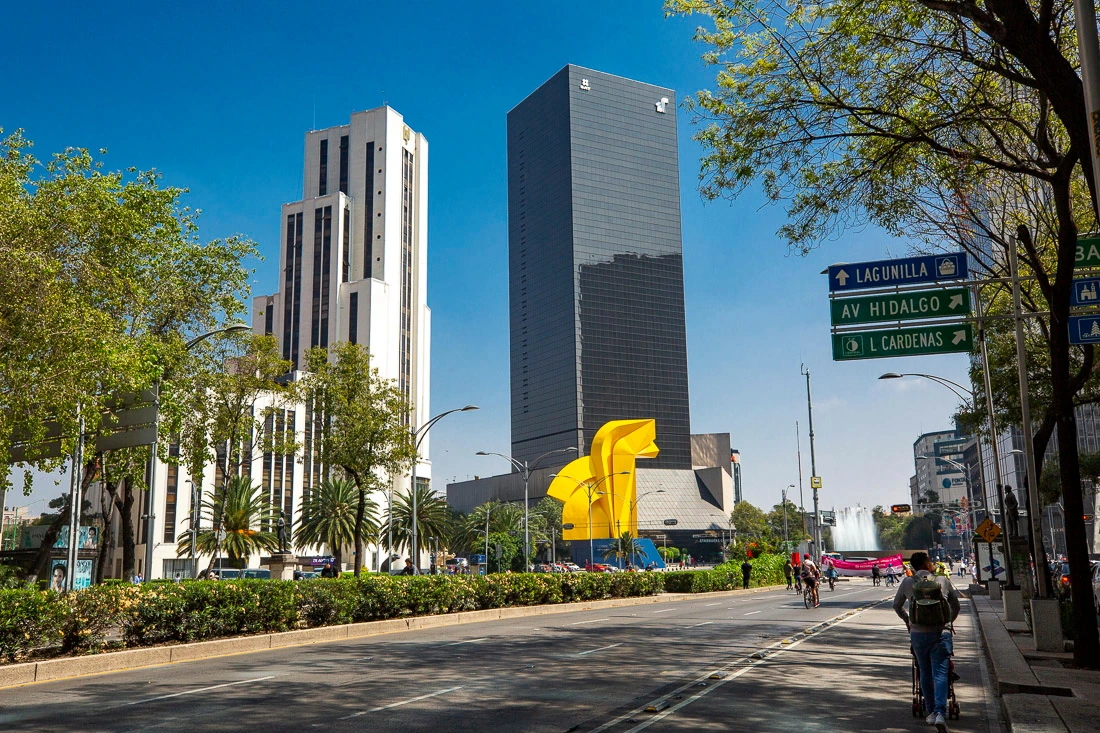
©kikokairuz avenida reforma ciudad de
“El Caballito” by Enrique Carbajal, 1992 (Yellow Sculpture) Reforma Avenue, CDMX Curated Map.

THE PULSE

“A MASTERCLASS IN CONTRAST.”

Mexico City is a dynamic, multifaceted marvel where pre-Hispanic roots and avant-garde design collide. It’s an urban tapestry woven with colonial grandeur, world-class museums, and a multicultural pulse that is as historic as it is cosmopolitan.

In the heart of this vibrant energy, you’ll find a rare warmth—a soul shared by locals and a global community that has made this city its own.


THE SETTING

“THE HIGH-ALTITUDE HEART OF NORTH AMERICA.”

Surrounded by a ring of majestic mountains and volcanoes, Mexico City is a mountain-top metropolis like no other. Its unique elevation defines its temperate climate and its storied history.

While the altitude offers breathtaking views, it also demands a moment of pause.

Stay hydrated and let CityMapps and the CDMX Curated Map guide you through a smooth transition into the capital’s thin, electric air.


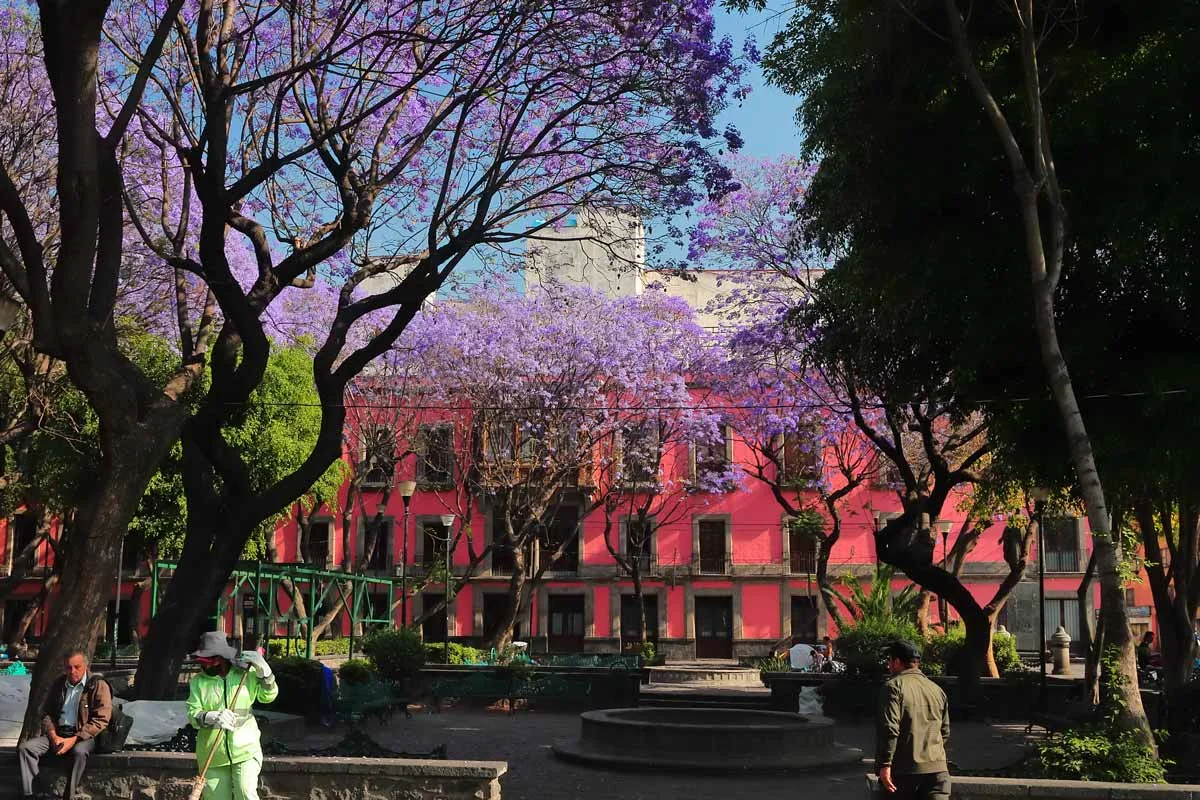
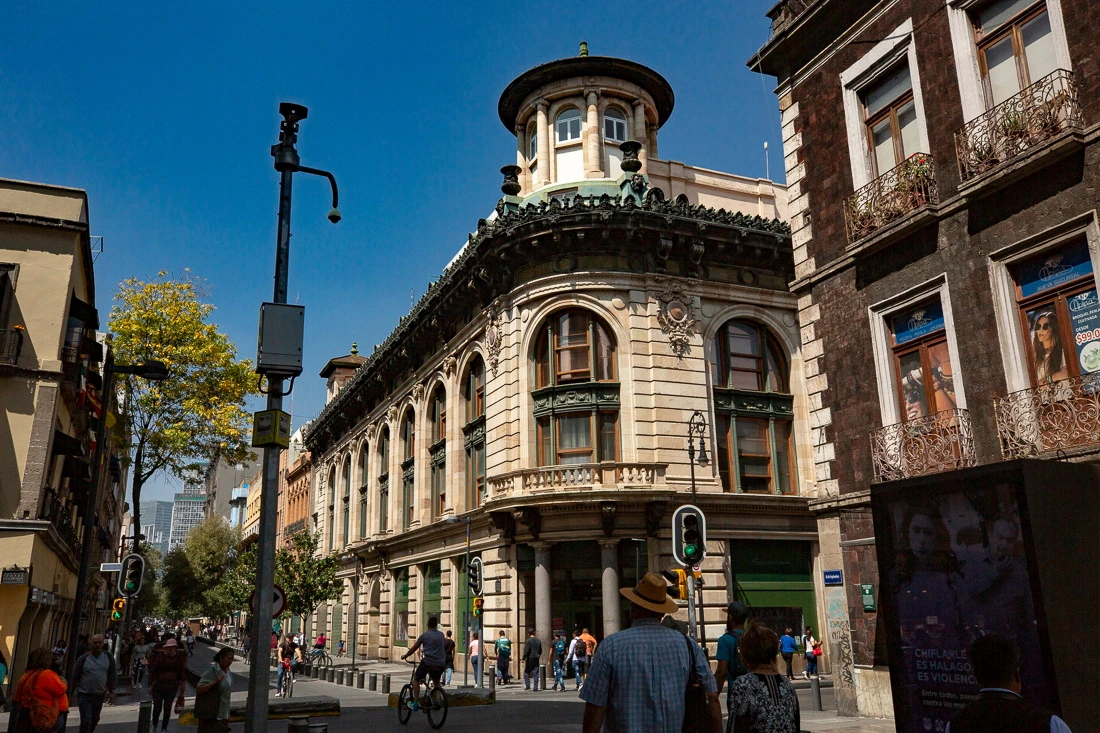
Calle 16 de Septiembre - Centro Histórico de Ciudad de México CDMX.
16 de Septiembre Street. CDMX Curated Map – downtown Mexico City.

THE SEASONS

“A CITY IN PERPETUAL SPRING.”

While much of the world retreats from the winter chill, Mexico City remains bathed in golden sunlight and mild temperatures. 

From its blooming jacarandas in March to the crisp, blue skies of January, the capital is a year-round cultural epicenter.

Every month brings a new layer of festivals, art fairs, and urban energy—making any moment the right one to arrive.

EXPERT TIP:
To experience the city at its most serene, plan your visit during local academic breaks (December, April, and July).

You’ll find the streets quieter, the traffic lighter, and the city’s hidden gems even more accessible.
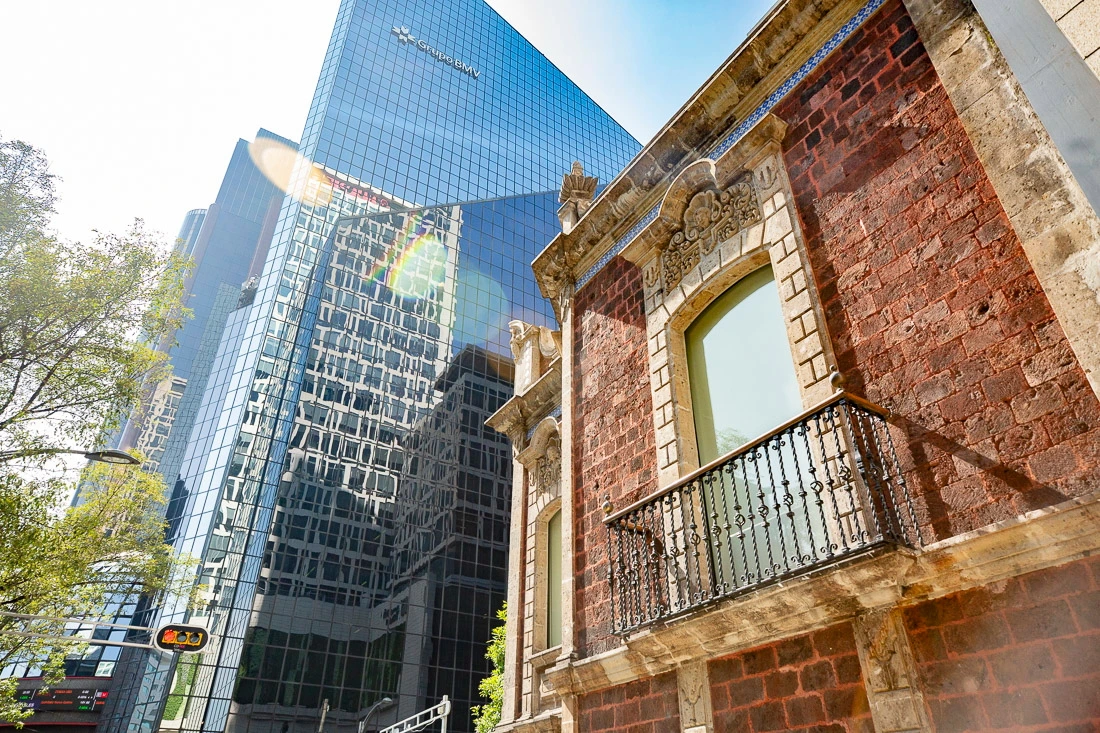
Avenida Reforma, Colonia Juárez, Ciudad de México. Foto por © Kiko Kairuz 2024.
Architectural contrast in Mexico City. Reforma Avenue. CDMX Curated Map.

THE GOLDEN PEAK

“THE CITY OF ETERNAL LIGHT.”

From mid-November through February, Mexico City is at its most brilliant: crisp blue skies, golden afternoons, and cool, refreshing nights. However, our “true summer” arrives early—from March to May—bringing the warmest temperatures and the iconic purple bloom of the Jacarandas.

By June, the city embraces its tropical side with refreshing late-afternoon rains that clear the air and cool the spirit.

If you’re chasing the sun, March through June are our warmest months, perfect for rooftop terraces and outdoor art. If you prefer the clarity of high-altitude winter, November to February offers flawless blue skies and chilly, stylish nights.
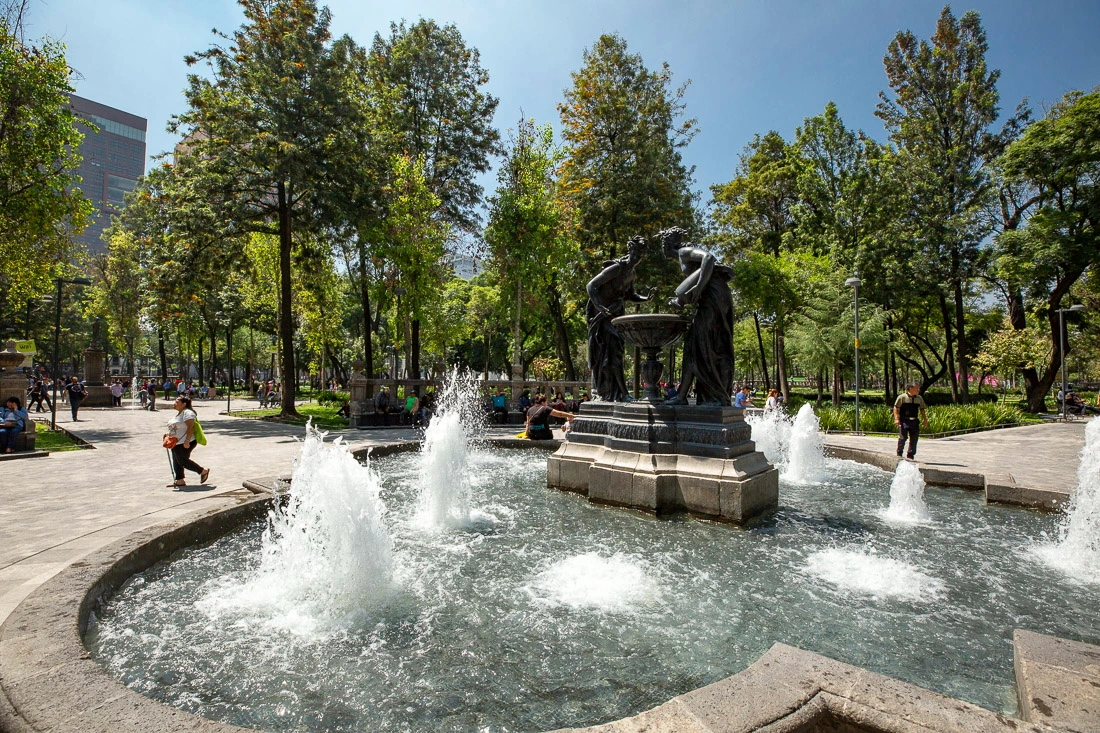
Alameda Central CDMX, Ciudad de México
Fountain at the Alameda Central, a quintessential landmark from our CDMX Curated Map.

THE AFTERGLOW

“THE AFTERGLOW: NAVIGATING THE SUMMER RAINS.”

From May to November, Mexico City embraces its tropical rhythm. Expect dramatic, late-afternoon showers that clear the air and leave the city glowing.

While the heaviest rains arrive between late August and November, they are rarely a day-long affair.

These brief, powerful bursts are the city’s way of hitting “refresh”—the perfect hour to duck into a world-class gallery or a cozy speakeasy.

Season: May – November.

Vibe: Sunny mornings followed by dramatic, short-lived afternoon showers.

The Secret: Pack light layers and let the city’s rhythm guide your day.
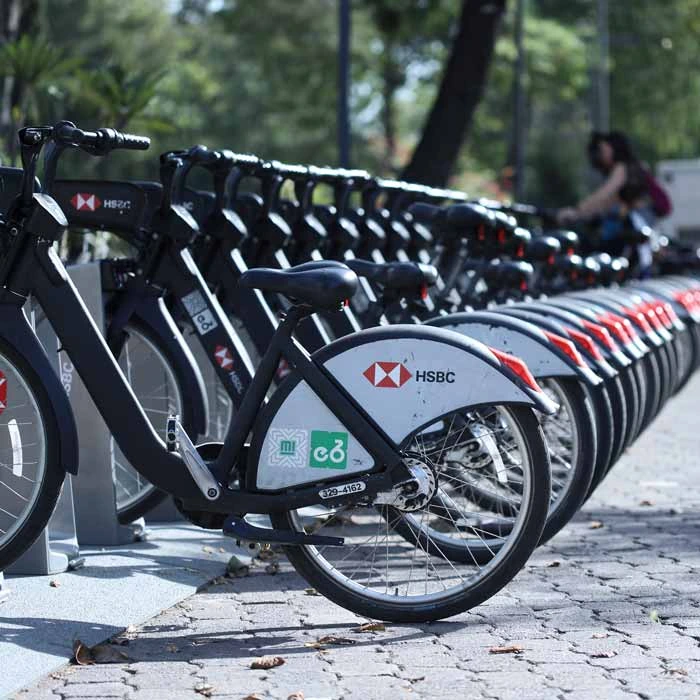
Row of parked Ecobici rental bicycles in Mexico City.
Ecobici Station @ Los Pinos, Chpultepec.

MEXICO CITY RHYTHM

“MASTERING THE GRID.”

Navigating a metropolis of this scale is an art form. To move with ease, this CDMX Curated Map recommends the Integrated Mobility Card—your universal key to the city’s metro, cable cars, and light rail.

INSIDER STRATEGY:
The city has its own heartbeat. To avoid the rush, sync your travel with the off-peak hours. Instead of sitting in traffic, use those moments to linger at a local café or explore a hidden gallery. Let the city’s rhythm dictate your pace, not the clock. This CDMX Curated Map will show you the best places to do that.

UBER SEAMLESS CONNECTIVITY
INTEGRATED ACCESS CARD
METRO NETWORK
THE SURFACE EXPRESS

ELEVATED MOBILITY
THE CITY CIRCUIT
ECOBICI: THE URBAN FLOW
THE ART OF WANDERING
PEAK HOURS



logo of Uber, Mexico City Map

seamless connectivity

“MASTERING THE MAP.”

In a city of infinite layers, names can often repeat across different neighborhoods. To eliminate the guesswork and ensure you land exactly where you intended, we’ve integrated a direct link to your ride.

THE SHORTCUT:
Simply tap the “UBER RIDE” button on any of our curated spots. Your destination will pre-fill automatically in the Uber app, bypassing the confusion of duplicate street names and letting you focus on the journey, not the logistics. Your first visit to CDMX just became effortless.
integrated access

“ONE CARD. INFINITE CONNECTIONS.”

To navigate the city’s vast pulse with ease, the Integrated Mobility Card is your essential tool. This unified system grants you seamless entry to the Metro, Metrobús, Cablebús, and Ecobici, along with the city’s modern light rail and trolleybus networks.

THE STRATEGY:
Forget the friction of cash or individual tickets. This single card streamlines your urban flow, allowing you to recharge at any station or authorized point. It’s not just a payment method; it’s your passport to moving through CDMX with the confidence of a local.


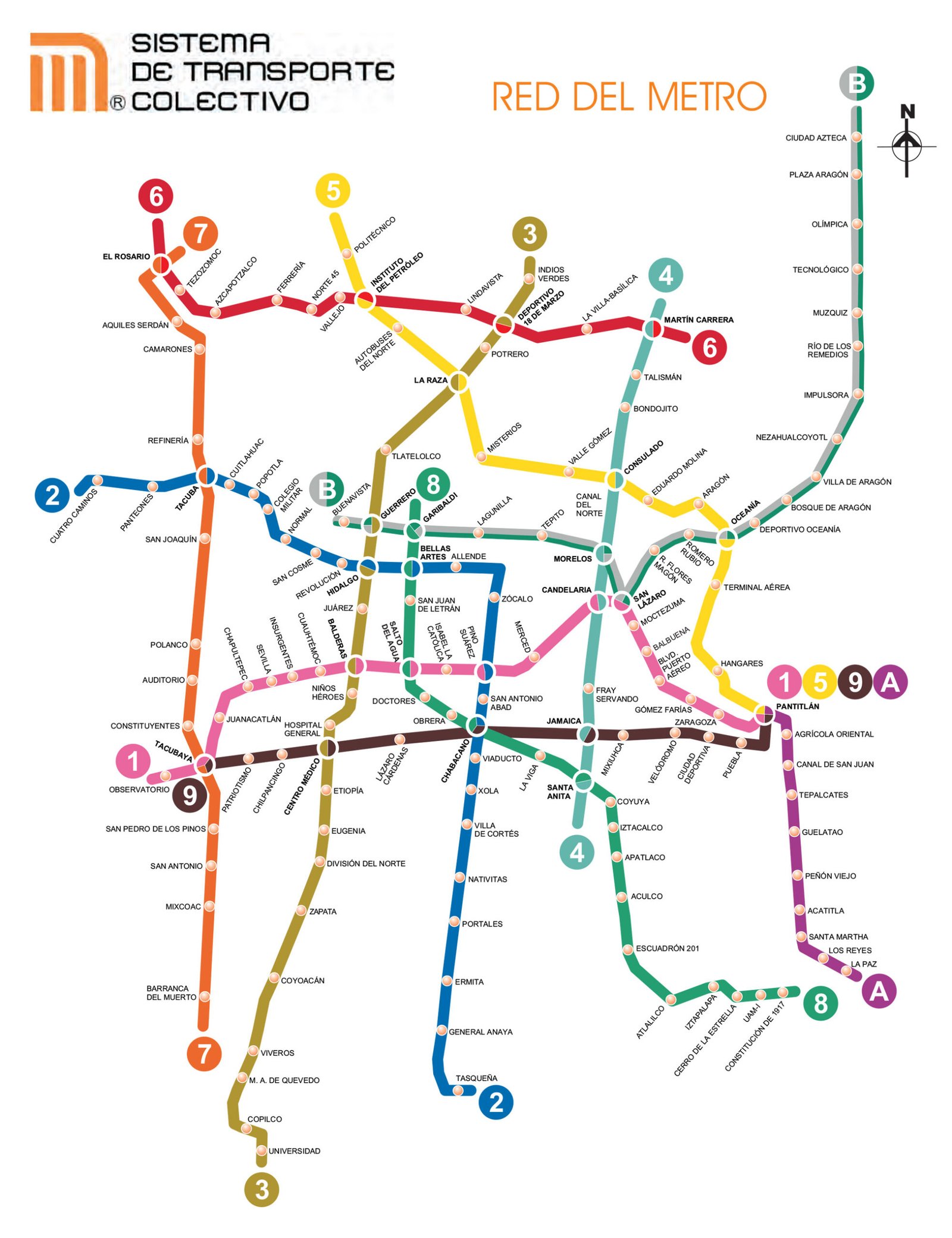
Metro map of Mexico City.
Mexico City Underground.

metro NETWORK

“NAVIGATING THE BACKBONE OF CDMX.”

With 12 lines and nearly 200 stations, the Mexico City Metro is one of the most extensive and efficient transit systems in the world. It is the fastest way to bridge the gap between historic neighborhoods and modern hubs, moving millions with a rhythm all its own.

INSIDER STRATEGY:
To experience the Metro like a seasoned traveler, timing is everything. We recommend avoiding the rush-hour surge (7–10 AM and 6–9 PM) to enjoy a smoother journey.
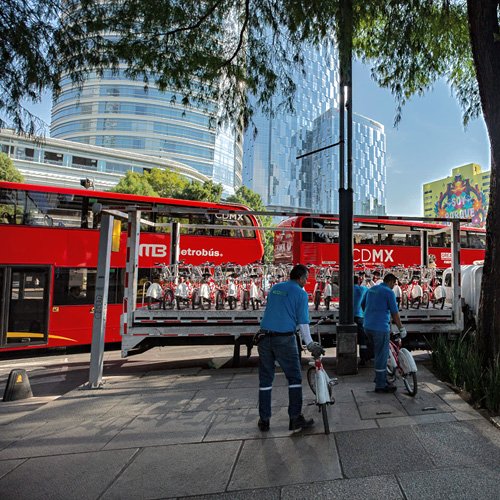

metrobus mexico city map
The iconic two floor buses in Mexico City. Reforma Avenue. CDMX Curated Map.

the surface express

“A WINDOW INTO THE CITY’S GRANDEUR.”

Running along the city’s most iconic avenues, the Metrobús is more than a transit system—it’s a moving gallery. With seven dedicated lines that bypass the urban pulse, it offers an efficient and scenic alternative to the underground.

THE STRATEGY:
Thanks to its exclusive lanes, the Metrobús glides through the city’s heart even during peak hours.

Use your Integrated Mobility Card to hop on and off as you explore world-class architecture and vibrant street life from the comfort of the surface. It’s the smartest way to keep the city in sight while staying on schedule.


cablebus mexico city map los pinos station - polanco cdmx
Hop on the Cablebús at Los Pinos Station for an elevated tour over Mexico City—all for less than 40 cents!

Elevated Mobility

“TAKING THE CITY TO NEW HEIGHTS.”

Experience a shift in perspective. The Cablebús is a world-class elevated transit system that glides above the metropolis, offering a seamless and breathtaking journey over the Valley of Mexico.

THE INSIDER PICK:
Don’t miss the newest line in Chapultepec. It’s the ultimate tourist hack, providing a stunning panoramic view of the forest, the mountains, and the urban sprawl.

Simply use your Integrated Mobility Card to trade the street-level rush for a serene, high-altitude flight across the city’s most iconic landscapes.
The City Circuit

“MASTER THE CITY’S LANDMARKS AT YOUR OWN PACE.”

The Turibús is the ultimate open-top gallery for exploring the capital’s most iconic districts. From the colonial grandeur of the Historic Center to the bohemian soul of Coyoacán and the modern luxury of Polanco, these double-decker buses bridge the gap between the city’s most storied spots.

THE FREEDOM FACTOR:
With its “Hop-On, Hop-Off” flexibility, the Turibús lets you dictate the rhythm of your day. Whether you’re chasing the golden hour on a night route or diving deep into Chapultepec by day, it’s the most comfortable way to connect the dots across the Valley of Mexico.


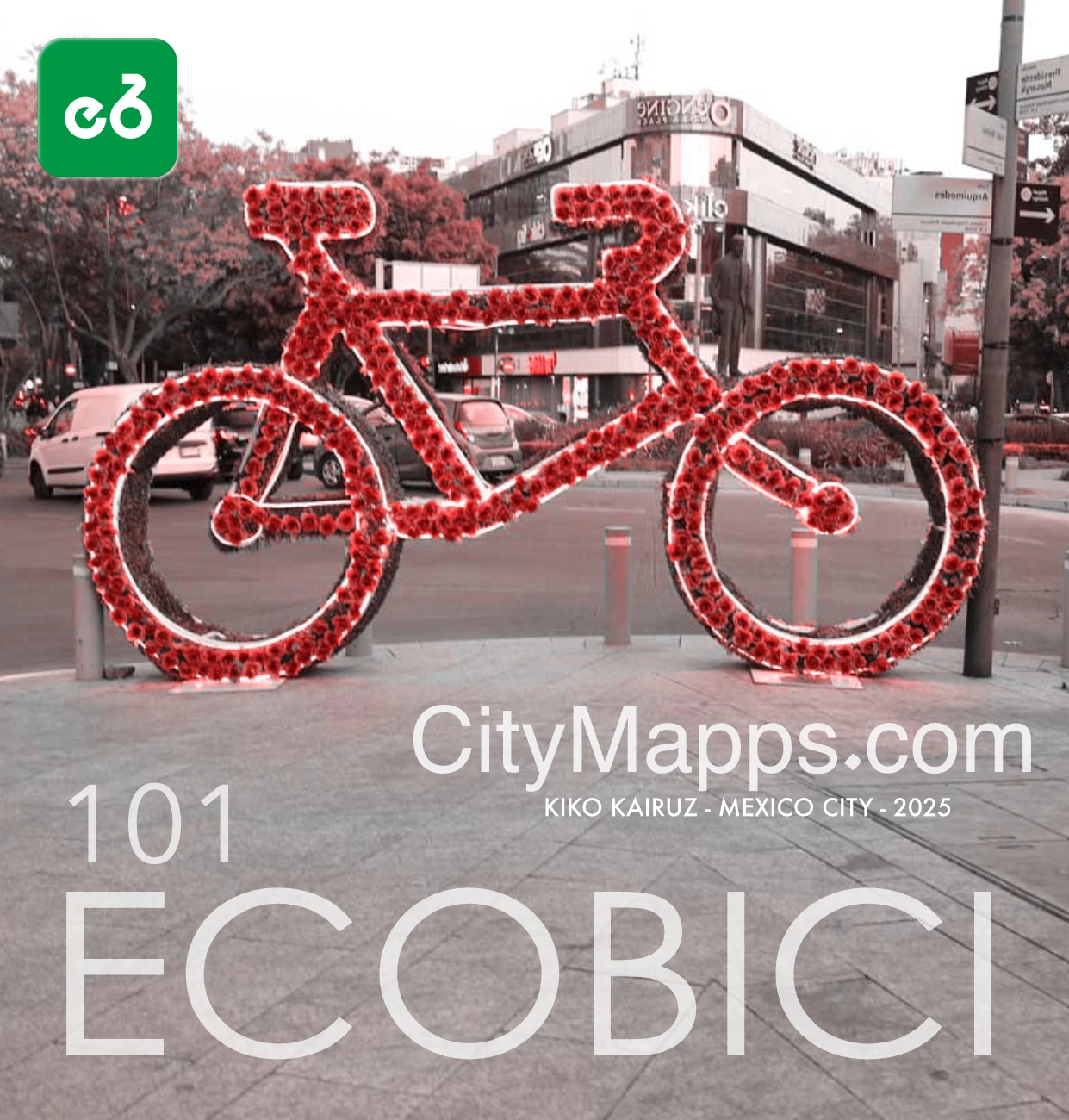
ECOBICI MAP 101 - MEXICO CITY

urban flow

“MASTER THE STREETS WITH TWO-WHEELED LIBERTY.”

EcoBici is the city’s ultimate shortcut. This world-class bike-sharing system is designed for those who prefer the breeze over the brake lights, offering a seamless and sustainable way to glide through the capital’s most iconic districts.

THE STRATEGY:
From the leafy avenues of La Roma and Condesa to the modern corridors of Polanco and the Historic Center, EcoBici gives you total autonomy. Simply unlock a bike at any station and drop it off at your next destination. It’s the smartest way to bypass traffic, stay active, and feel the vibrant pulse of CDMX at street level.
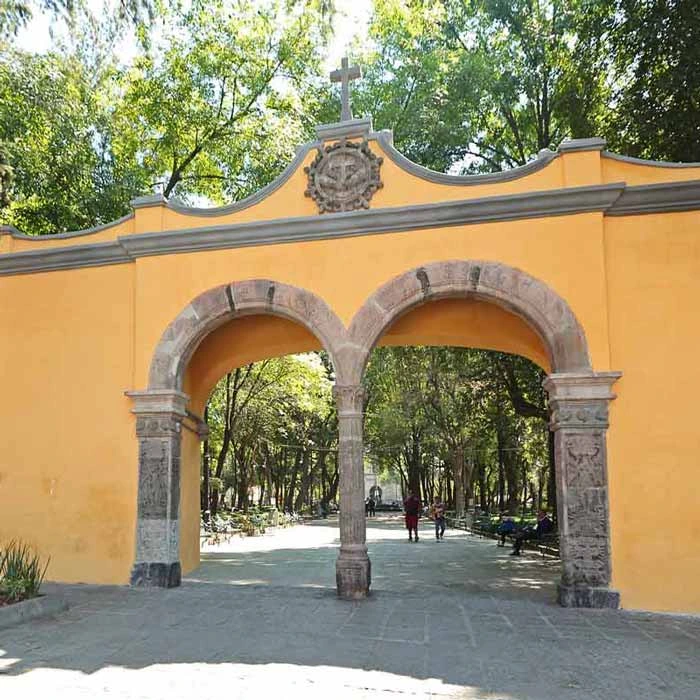
coyoacan mexico city map - cdmx

The Art of Wandering

“DISCOVER THE SOUL OF THE CITY, ONE STEP AT A TIME.”

To truly feel Mexico City, you must walk it. Beyond the traffic, the capital reveals its most intimate secrets: the shadow of an Art Deco balcony in La Condesa, the aroma of fresh roast in a Roma café, and the centuries of history etched into the stones of the Historic Center.

THE CURATOR’S PATH:
Districts like Coyoacán and Polanco are designed for the curious. Here, pedestrian plazas and leafy parks invite you to lose yourself in a world of colonial grandeur, iconic murals, and hidden galleries.

Walking isn’t just transit; it’s a masterclass in architecture and culture that only reveals itself to those who take the time to look.
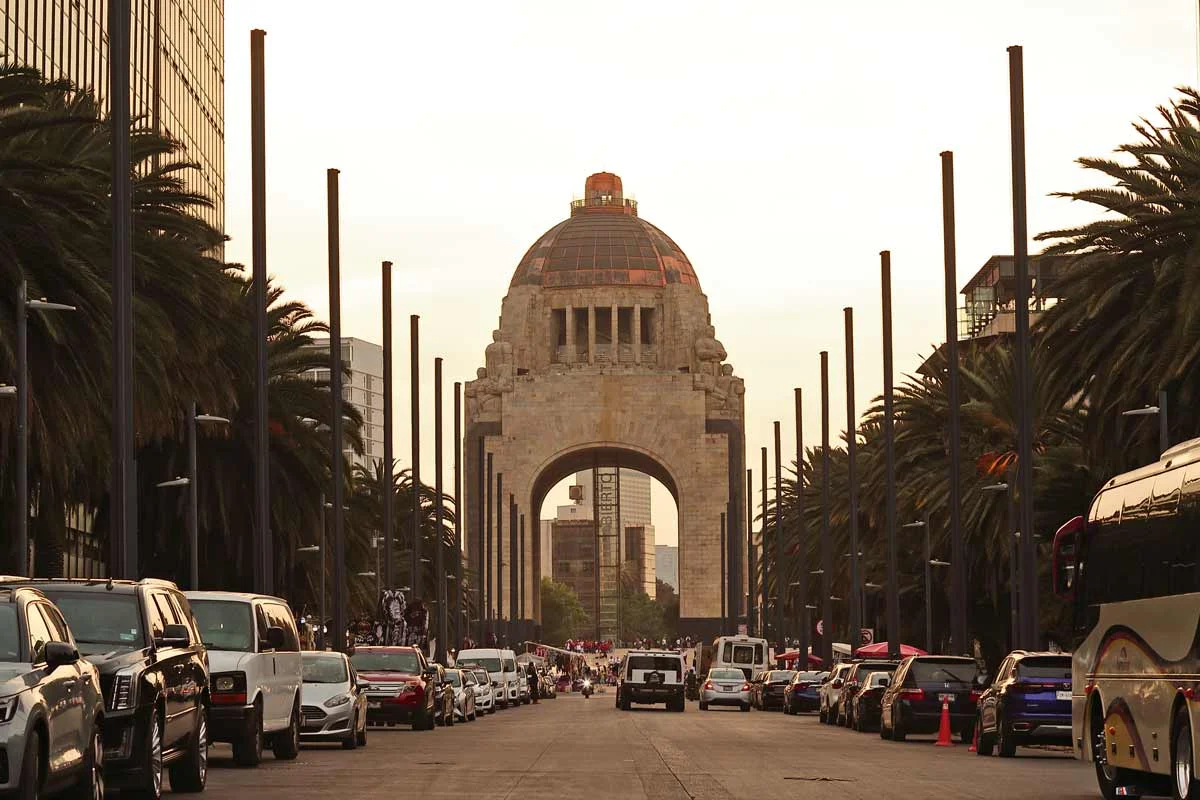

CDMX Curated Map. Monument to the revolution. Historic Center, Downtown Mexico City. Photo by © Kiko Kairuz 2024

PEAK HOURS

In Mexico City, peak traffic hours are:

IN THE MORNING:
From 8 AM to 10 AM, when most people are commuting to work or school.

IN THE AFTERNOON:
From 4 PM to 7 PM, when work and school days are ending.

It is advisable to plan your travel outside these hours or use alternative transportation options, such as public bicycles or walking if the distance is short.
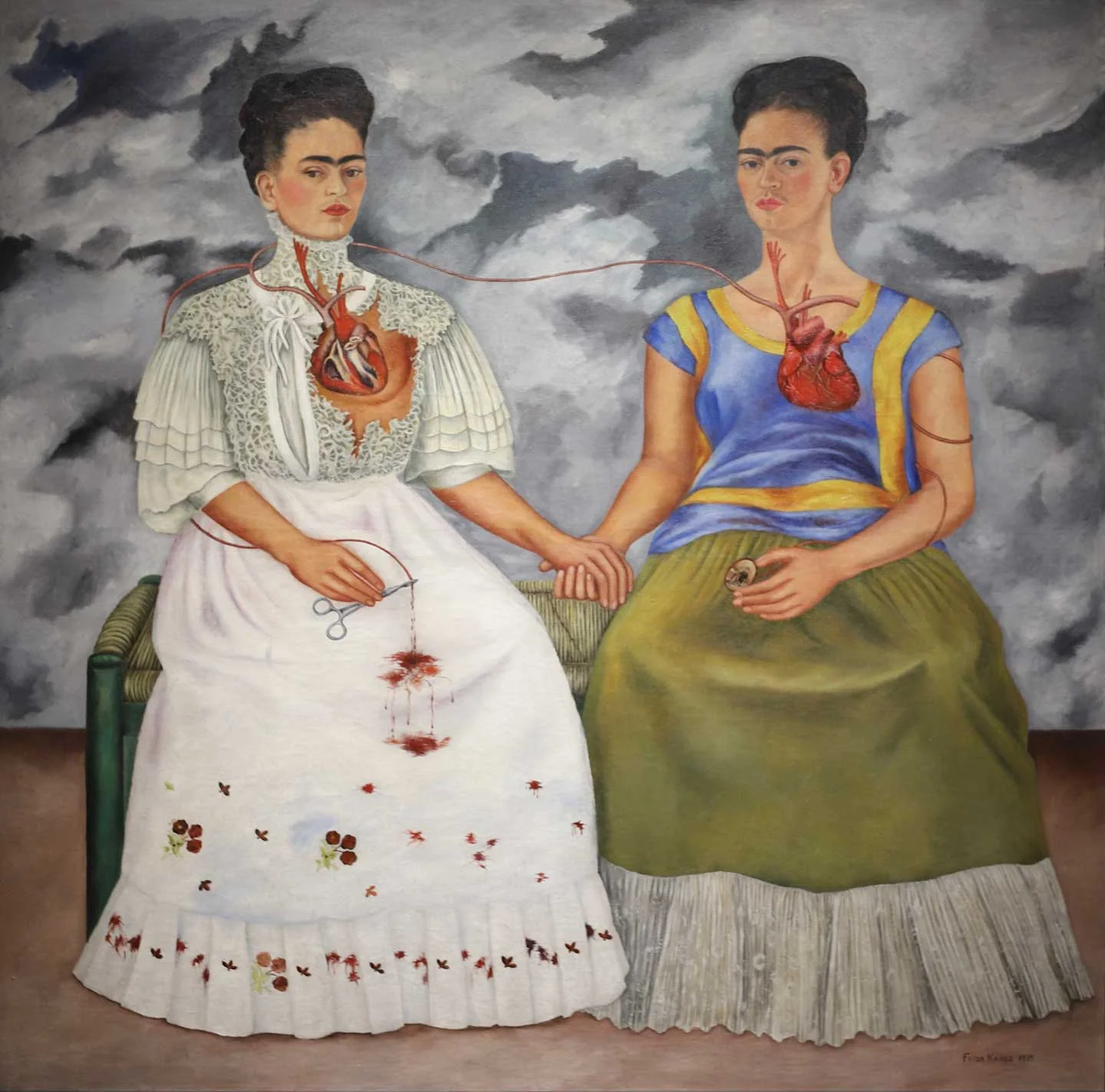


Obra de arte "Las Dos Fridas", por la artista Mexicana Frida Kahlo, en la colección permanente del Museo de Arte Moderno MAM, Ciudad de México. Foto por © Kiko Kairuz 2024.
Las 2 Fridas. @MAM, Frida Kahlo.

the curated collection

“GLOBAL ART. LOCAL SOUL.”

With one of the highest concentrations of museums worldwide, CDMX is a living archive of human creativity.

THE ESSENTIAL EDIT:
We’ve filtered the noise to bring you the definitive selection of must-see landmarks in this CDMX Curated Map.

From the legacy of Frida Kahlo to the brutalism of the Anthropology Museum, this is your curated roadmap to Mexico’s masterpieces.

1. THE PALACE OF ART
2. THE FLOATING LEYEND
3. THE WORLD’S MIRROR
4. BIRTHPLACE OF MURALISM
5. THE GOLDEN DOME
6. THE EUROPEAN LEGACY
7. THE MODERNIST JEWEL
8. THE SOUL OF MEXICO
9. THE ROYAL CASTLE
10.THE LOVE STORY
11. THE CONTEMPORARY EDGE
12. THE CONCRETE AVANT-GARDE
13. THE AMERICAS’ SISTINE CHAPEL
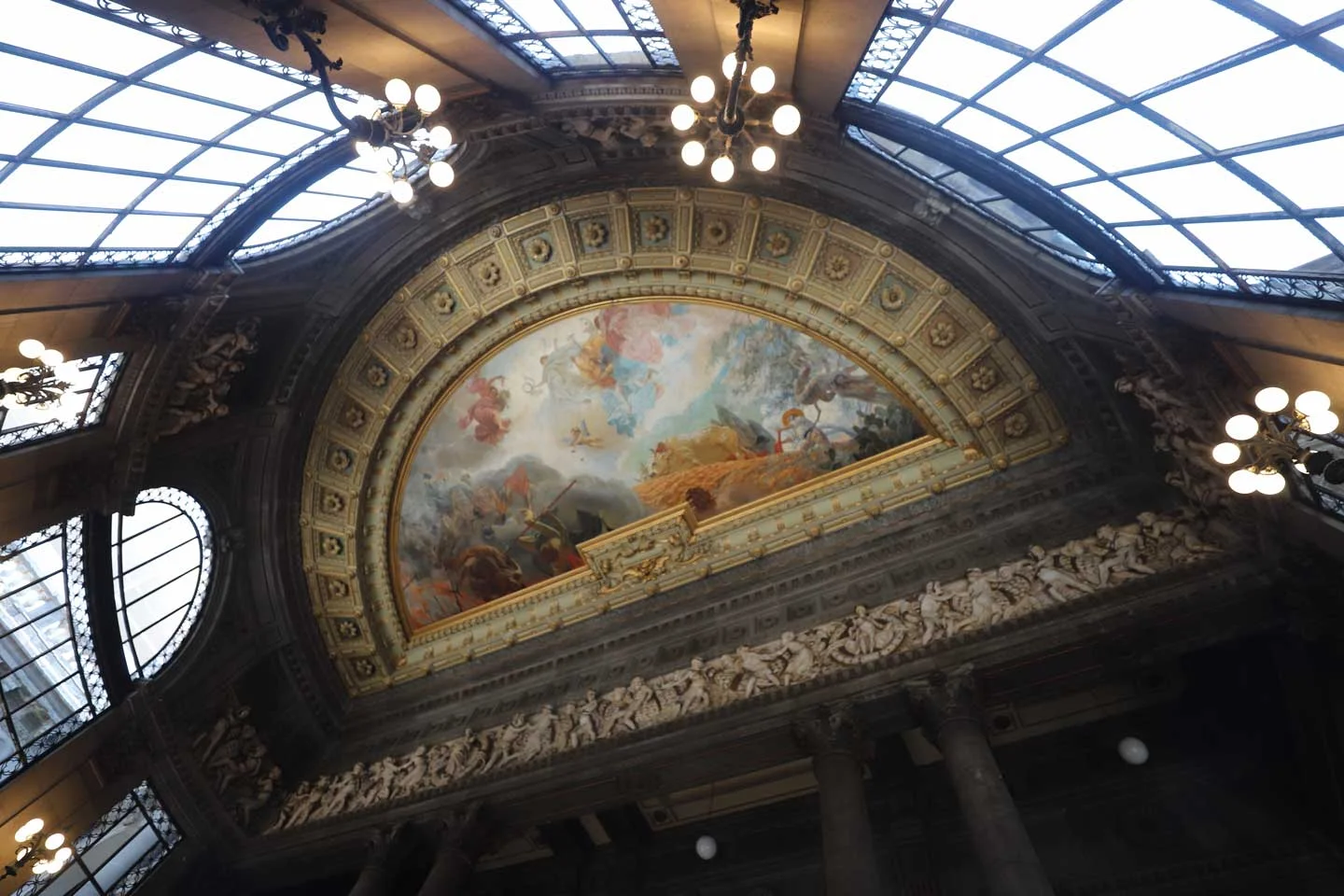


Museo Nacional de las Artes MUNAL, Centro Histórico, Ciudad de México. Foto por © Kiko Kairuz 2024.

Mural by Carlo Coppedè, @MUNAL – CDMX Curated Map. Photo by Kiko Kairuz CityMapps™

THE PALACE OF ART

“A PORFIRIAN MASTERPIECE BUILT UPON THE SHADOWS OF EMPIRE.”

Rising from the sacred grounds of the former San Andrés Hospital, this architectural titan holds a chilling secret: it was the precise site where the body of Emperor Maximilian of Habsburg was prepared following his 1867 execution.

Later reimagined by architect Silvio Contri as the Palace of Communications, the building is a definitive study in Porfirian splendor and high-altitude elegance.

Captured from the base of the MUNAL’s monumental staircase, this perspective unveils the building’s most sophisticated architectural secret: the Italianate skylight. A masterpiece of glass and wrought iron, it frames a celestial mural by Carlo Coppedè, depicting the allegories of progress that shaped a nation.
It is a cinematic journey where the city’s electric pulse disappears into a silent, regal vault.

Within these Italianate halls, colonial gems and revolutionary masterpieces coexist in a monumental dialogue of stone and light—a masterclass in heritage, specially who seeks the true aesthetic soul of Mexico.

Arrive shortly after opening—ideally on a weekday morning when the light pours purest through that iconic skylight, bathing the Carlo Coppedè plafón (Allegory of War and Peace) in a soft, almost divine glow that no afternoon crowd can replicate.

Slip into the grand staircase alone, pause at the third or fourth step for the perfect upward angle, and let the silence amplify the drama.

This is not just a photograph; it’s your private audience with history’s opulent ghosts.

Pro move: pair the visit with a quiet espresso at the nearby Café de Tacuba afterward—timeless ritual, zero pretense.

munal

HOURS:

TUESDAY TO SUNDAY:

10 AM – 6 PM

ADMISSION:
$90.00 MXN

SUNDAYS:
Free entry for residents only

THE FLOATING EMPIRE:The Mexica’s sacred water-city of the pre-Hispanic era.

The Sacred Heart
of Tenochtitlan

“TENOCHTITLAN: THE LEGENDARY FLOATING CAPITAL.”

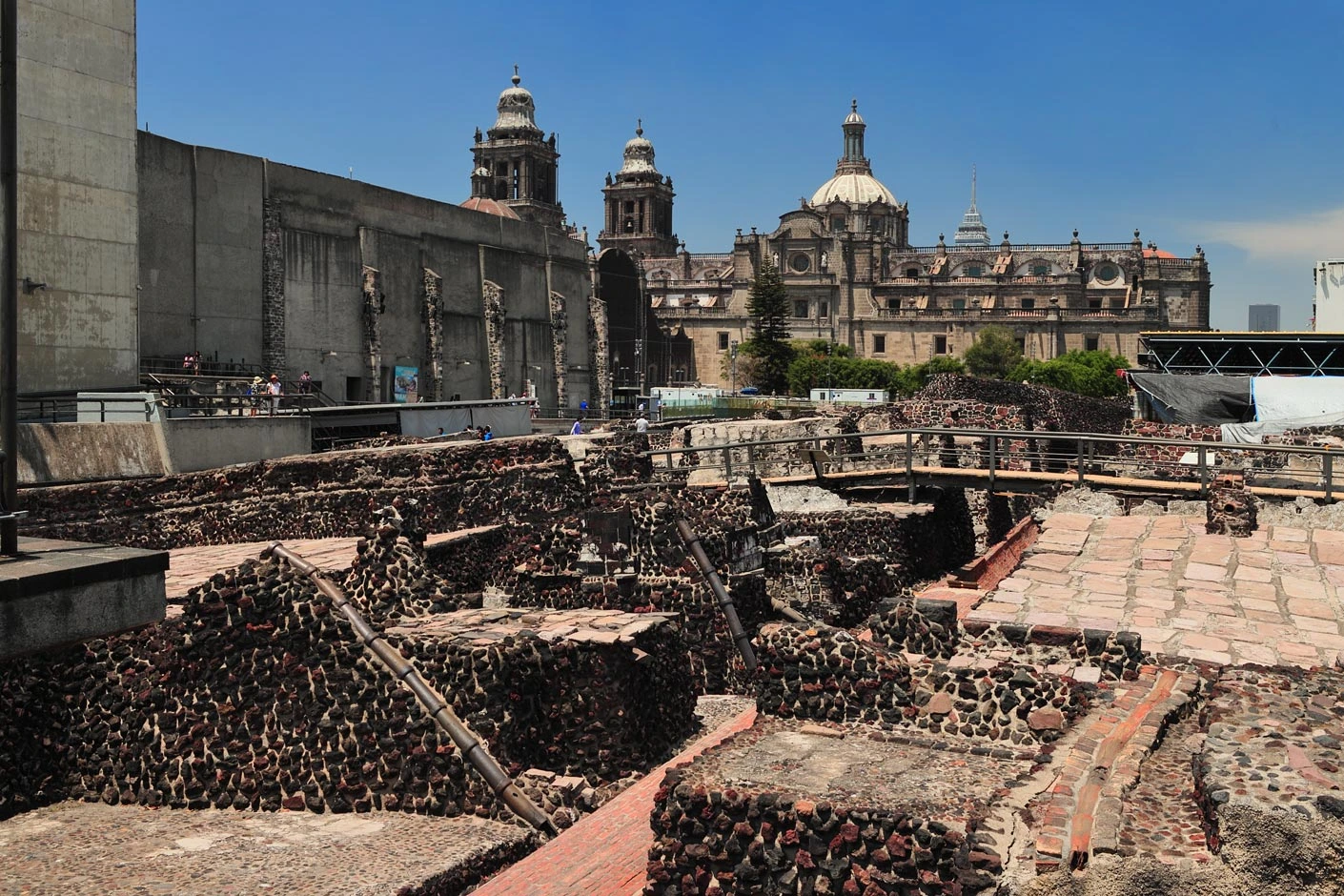
Buried for centuries beneath the modern capital, the Templo Mayor was the spiritual and political epicenter of the Mexica Empire. It stands as a monumental gateway into the ancient world—where the grandeur of the Aztec past collides with the relentless pulse of the present-day Zócalo.

Excavated dramatically since the late 1970s, the site unveils a haunting dialogue between conquest and continuity: Aztec stonework emerging directly beneath colonial streets, with the Metropolitan Cathedral looming in the background like a silent witness.
It is a cinematic descent into layered time, where the city’s chaotic energy fades into an almost sacred hush.

Amid the open-air ruins and the superb Museo del Templo Mayor, colonial overlays give way to Mexica mastery—obsidian blades, ceramic offerings, and monumental sculptures engage in an eternal conversation of stone, myth, and sacrifice.

A masterclass in resilience and heritage, especially for those seeking the profound aesthetic soul of pre-Hispanic Mexico.

Arrive shortly after opening—ideally on a weekday morning when the light pours purest through that iconic skylight, bathing the Carlo Coppedè plafón (Allegory of War and Peace) in a soft, almost divine glow that no afternoon crowd can replicate.

Slip into the grand staircase alone, pause at the third or fourth step for the perfect upward angle, and let the silence amplify the drama.

This is not just a photograph; it’s your private audience with history’s opulent ghosts.

Pro move: pair the visit with a quiet espresso at the nearby Café de Tacuba afterward—timeless ritual, zero pretense.

TEMPLO MAYOR


HOURS: TUESDAY TO SUNDAY: 9 AM – 5 PM

MONDAY: CLOSED

ADMISSION: General entry $95 MXN

SUNDAYS: Free entry for everyone

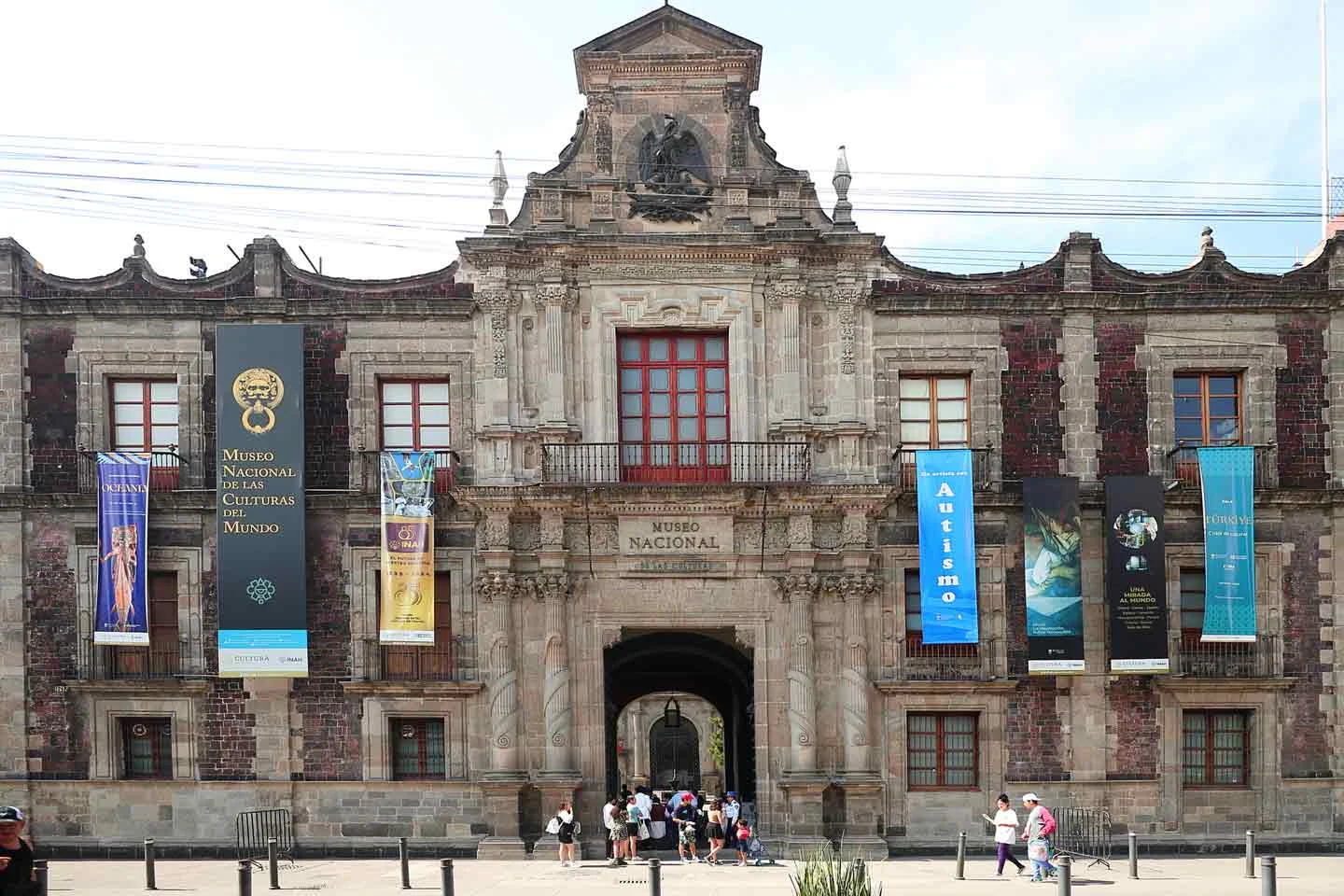
building of Museo de las Culturas del mundo, Historic Center, Mexico City. photo @ Kiko Kairuz 2024. CDMX Curated Map.

The World’s Mirror

“THE GLOBAL THRESHOLD OF HISTORY.”

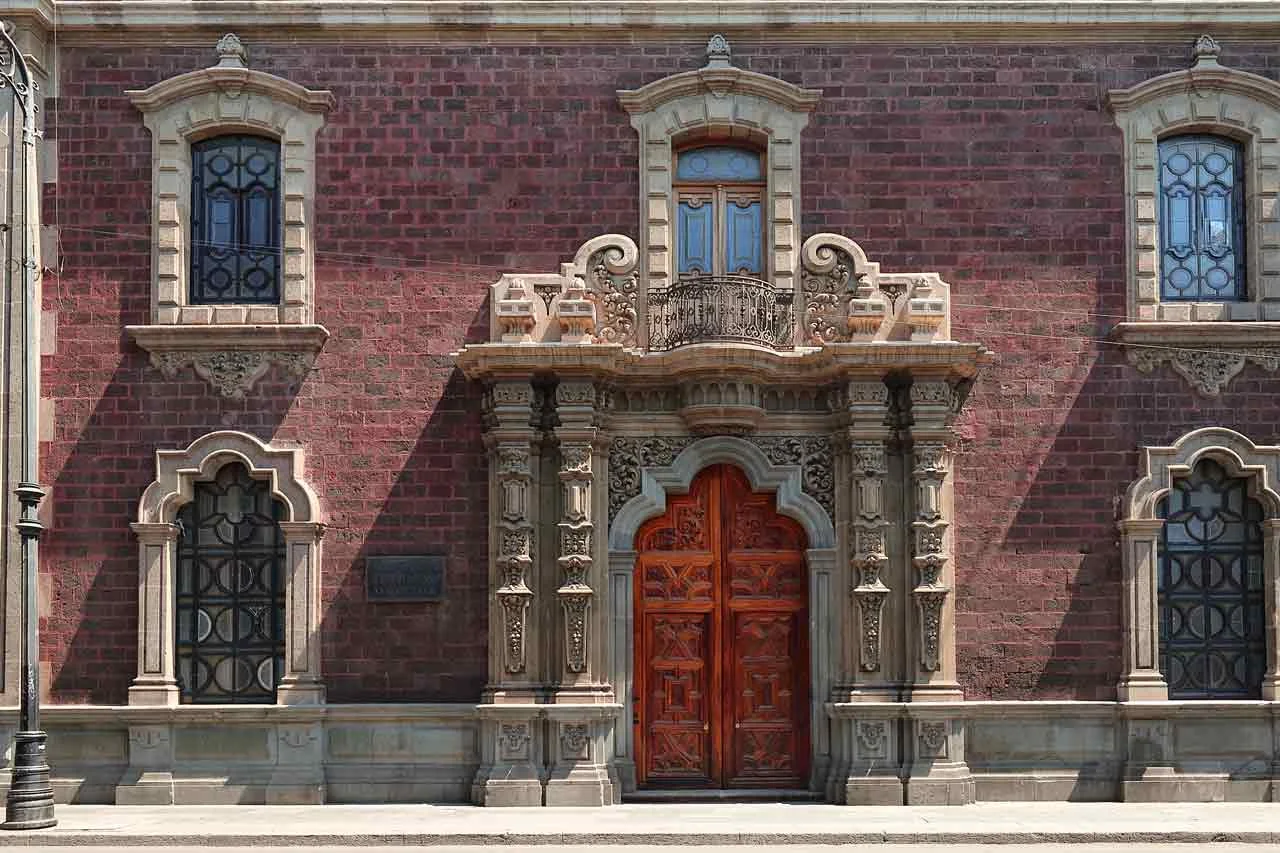
Housed in the historic Old Mint, the museo nacional de las culturas del mundo is a global crossroads in the heart of CDMX. It offers a rare window into the diverse values, beliefs, and daily lives of civilizations across every continent—reminding us that while our customs differ, our human spirit is one.

THE INSIDER TIP: 
Look up. The building itself is a colonial masterpiece, and the central courtyard is one of the most serene and photogenic “secret” spots in the Historic Center.
museo nacional de las culturas


HOURS:

TUESDAY TO SUNDAY: 10 AM – 6 PM

CLOSED: MONDAY

ADMISSION: General entry $0.00 MXN

Museum Colegio San ildefonso, Historic Center, Mexico City. Photo © Kiko Kairuz 2024. CDMX Curated Map

The Birthplace
of Muralism

“THE SACRED EPICENTER OF MEXICAN MURALISM.”

Step into the 16th-century Jesuit halls where Mexico’s visual identity was forged. San Ildefonso is a sacred ground of art, housing the first monumental works of giants like Diego Rivera, Orozco, and Siqueiros.

THE INSIDER TIP: 
Don’t miss Diego Rivera’s first mural, “The Creation”, located in the amphitheater. It’s the precise spot where the most important artistic movement in Latin America began.
COLEGIO SAN IlDEFONSO


HOURS:

TUESDAY TO SUNDAY 11 AM – 6 PM

CLOSED: MONDAY

ADMISSION: General entry $50 MXN

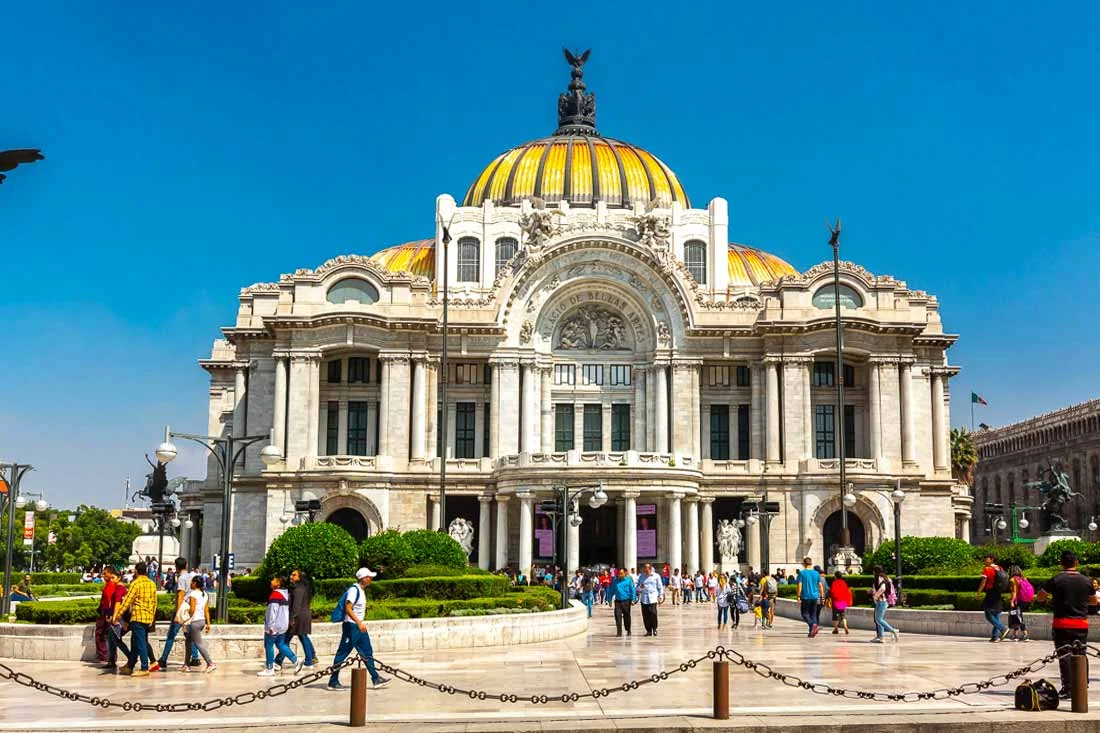
Palacio de Bellas Artes, Ciudad de México. Fotografía por © Kiko Kairuz 2024.

The GOLDEN DOME

“THE MARBLE PALACE: WHERE ART NOUVEAU MEETS ART DECO.”

An unmistakable icon of the CDMX skyline, this Carrara marble masterpiece is where Art Nouveau grandeur meets Art Deco precision. Beyond its vibrant dome, it is the sacred stage of the Ballet Folklórico de México, a world-renowned spectacle of color and tradition that brings the nation’s soul to life.

THE INSIDER TIP:
For the definitive photo, head to the 8th floor of the Sears building across the street. The balcony offers the most spectacular panoramic view of the palace’s architecture and its legendary Pegasus sculptures.
palacio de Bellas artes

HOURS:

TUESDAY TO SUNDAY: 10 AM – 5:30 PM

CLOSED: MONDAY

ADMISSION: General entry $0.00 MXN

Museo San Carlos, Centro Histórico, Ciudad de México. Foto © Kiko Kairuz 2024.

THE EUROPEAN LEGACY

“THE NEOCLASSICAL SANCTUARY OF EUROPEAN MASTERS.”

Housed in a stunning neoclassical palace designed by the legendary Manuel Tolsá, San Carlos is the definitive sanctuary of European art in the Americas.

From Renaissance masters to the dramatic brushstrokes of Goya and El Greco, this collection is a journey through centuries of Old World genius.

THE INSIDER TIP:
Pay attention to the oval courtyard. Its unique circular architecture is one of the most elegant and hidden “photo spots” in the city, offering a quiet, regal atmosphere away from the crowds.
SAN CARLOS

HOURS:

TUESDAY TO SUNDAY

10 AM – 6 PM

ADMISSION:

TUESDAY TO SATURDAY

General entry $65 MXN

SUNDAYS Free entry for everyone

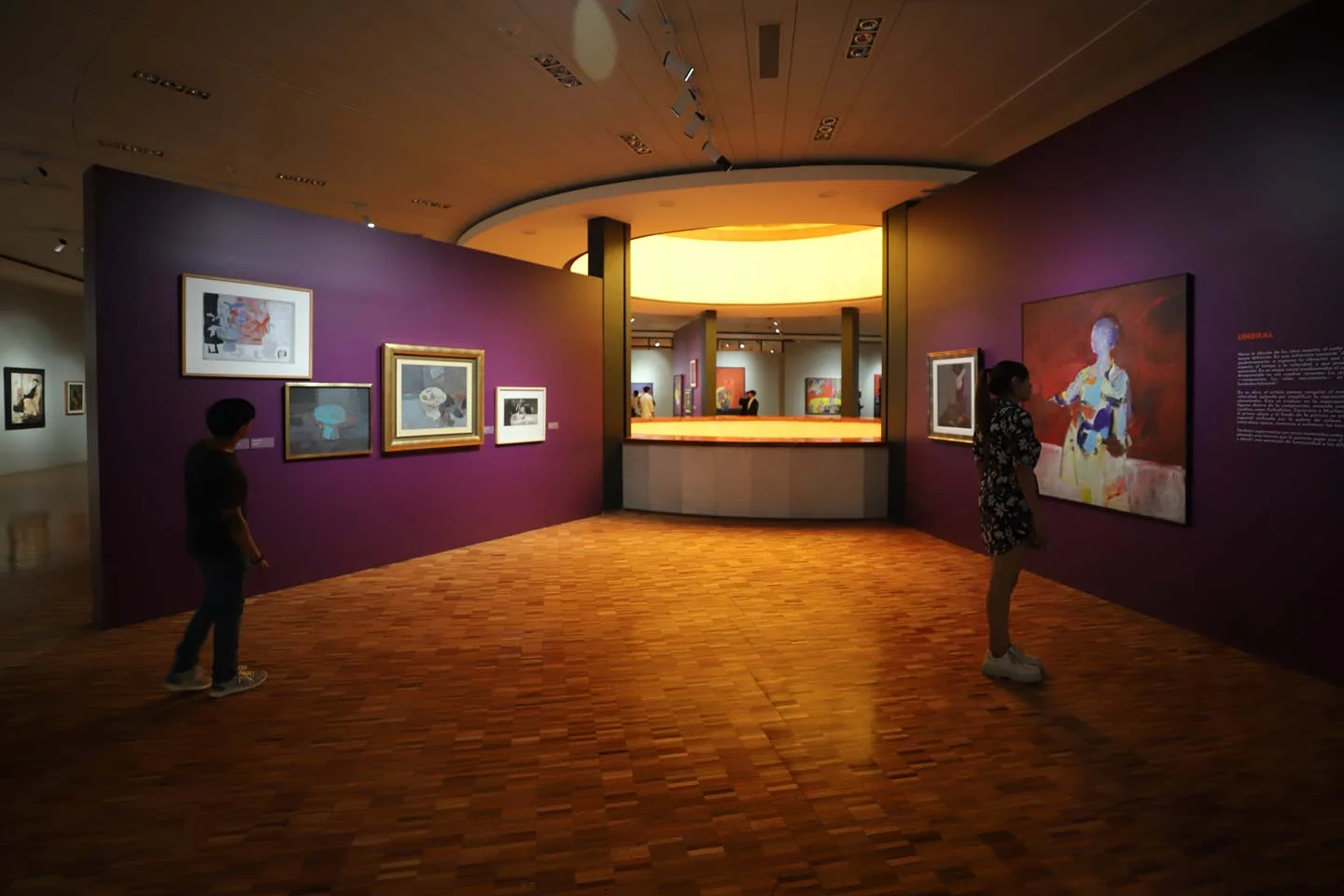
Salas de exhibición, colección permanente del Museo de Arte Moderno MAM, Ciudad de México. Foto por © Kiko Kairuz 2024.

The Modernist Jewel

“THE ORGANIC REFUGE OF THE MEXICAN AVANT-GARDE.”

Nestled in the heart of Chapultepec Park, this organic masterpiece from 1964 is a sanctuary for the avant-garde. It’s a space where the curves of the building meet the boldest strokes of 20th and 21st-century Mexican art.

THE MASTERPIECE:
This is the sacred home of “The Two Fridas”, Frida Kahlo’s most profound and iconic dual self-portrait.

THE INSIDER TIP:
Don’t skip the Sculpture Garden. It’s one of the most serene walks in the city, where mid-century bronze meets the lush green of the forest.
MAM


HOURS:

TUESDAY TO SUNDAY

10:15 AM – 5:45 PM

CLOSED: MONDAY

ADMISSION:

TUESDAY TO SATURDAY

General entry $90 MXN

SUNDAYS

Free entry for everyone

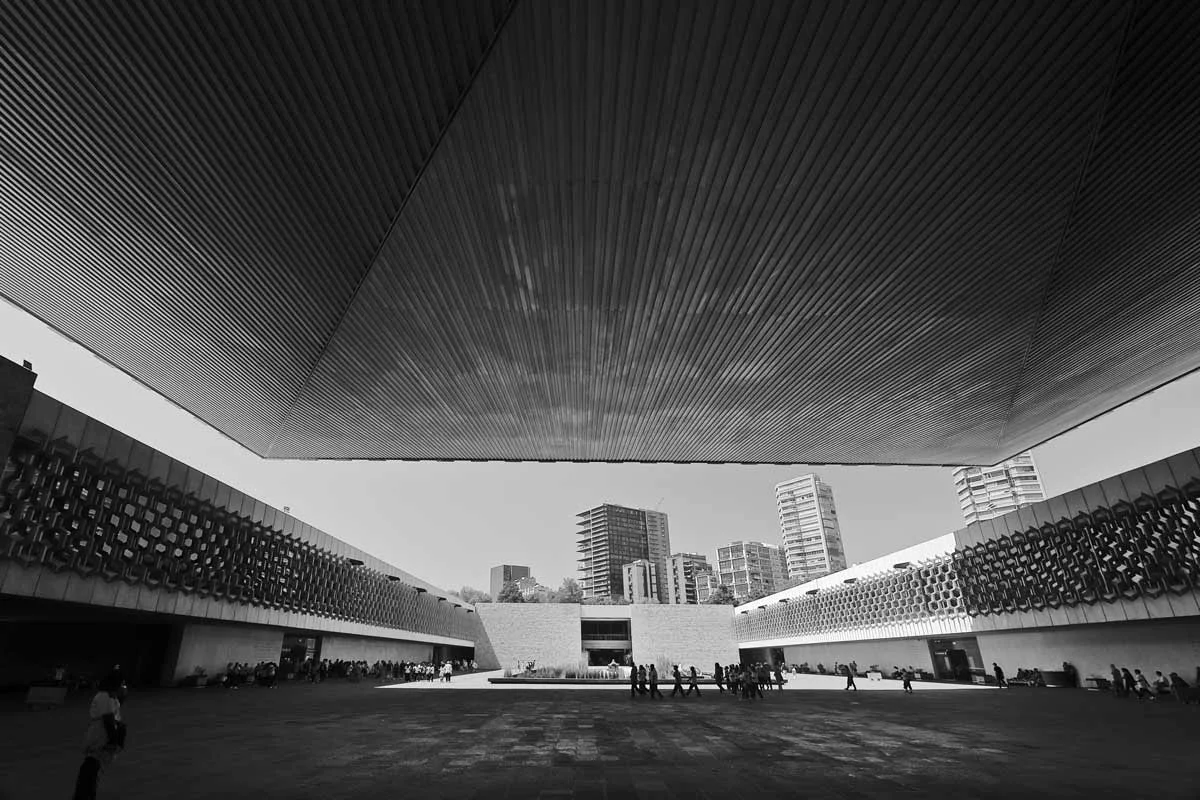
Anthropology Museum of Mexico City, Reforma Avenue, Polanco District, Mexico City - CDMX. Photo by © Kiko Kairuz 2024.

the soul of mexico

“THE SACRED HEART OF MEXICO’S DNA.”

A world-class architectural marvel, this is more than a museum—it is the definitive sanctuary of Mesoamerican civilization.

From the colossal Olmec heads to the legendary Aztec Sun Stone, the Anthropology Museum houses the profound DNA of a nation in a space where water, stone, and history meet.

THE INSIDER TIP:  
Stand beneath “El Paraguas” (The Umbrella) in the central courtyard. This monumental fountain is one of the world’s largest suspended structures and creates a surreal, misty atmosphere that is the hallmark of the museum’s design.
MUSEO DE
ANTROPOLOGÍA

HOURS:

TUESDAY TO SUNDAY

9 AM – 6 PM

CLOSED: MONDAY

ADMISSION:

General entry $95 MXN

SUNDAYS

Free entry for residents

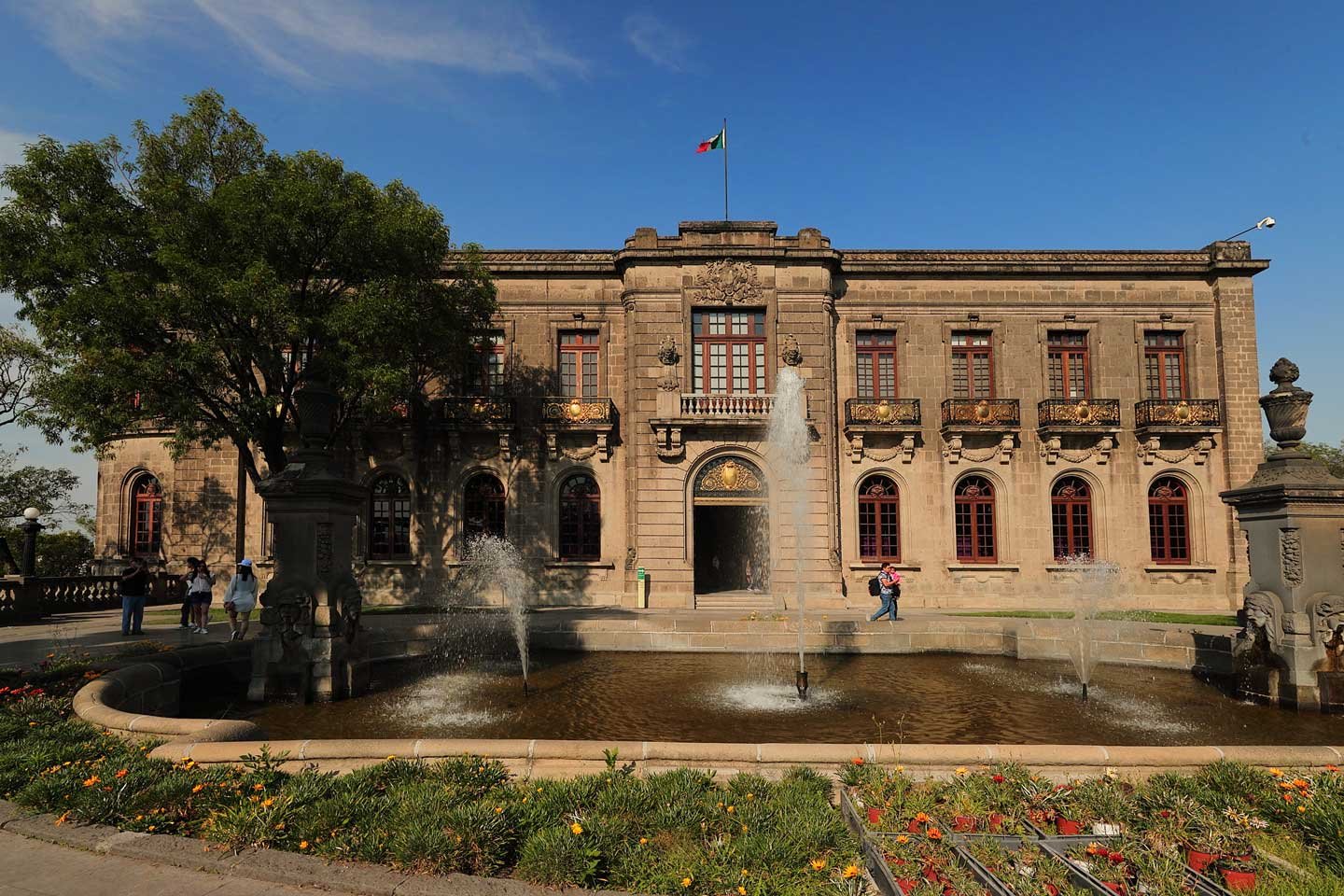
CDMX Cured map, castillo de chapultepec. Photo @ Kiko. Kairuz

THE ROYAL CASTLE

“THE MAJESTIC FORTRESS OF POWER AND MEMORY.”

Perched atop Chapultepec Hill, this majestic fortress has been an imperial palace, a presidential home, and a silent witness to Mexico’s history. 

Today, it stands as the National History Museum, guarding the nation’s treasures within its neoclassical walls and lush gardens. 

THE INSIDER TIP:
Walk to the Black Forest balcony. It offers the most iconic, high-altitude panoramic view of Paseo de la Reforma—the perfect spot to see how the city’s colonial past meets its skyscraper future.
CASTILLO DE CHAPULTEPEC

HOURS:

TUESDAY TO SUNDAY

9:00 AM – 5:00 PM

CLOSED: MONDAY

ADMISSION:

TUESDAY TO SATURDAY

General entry $95 MXN

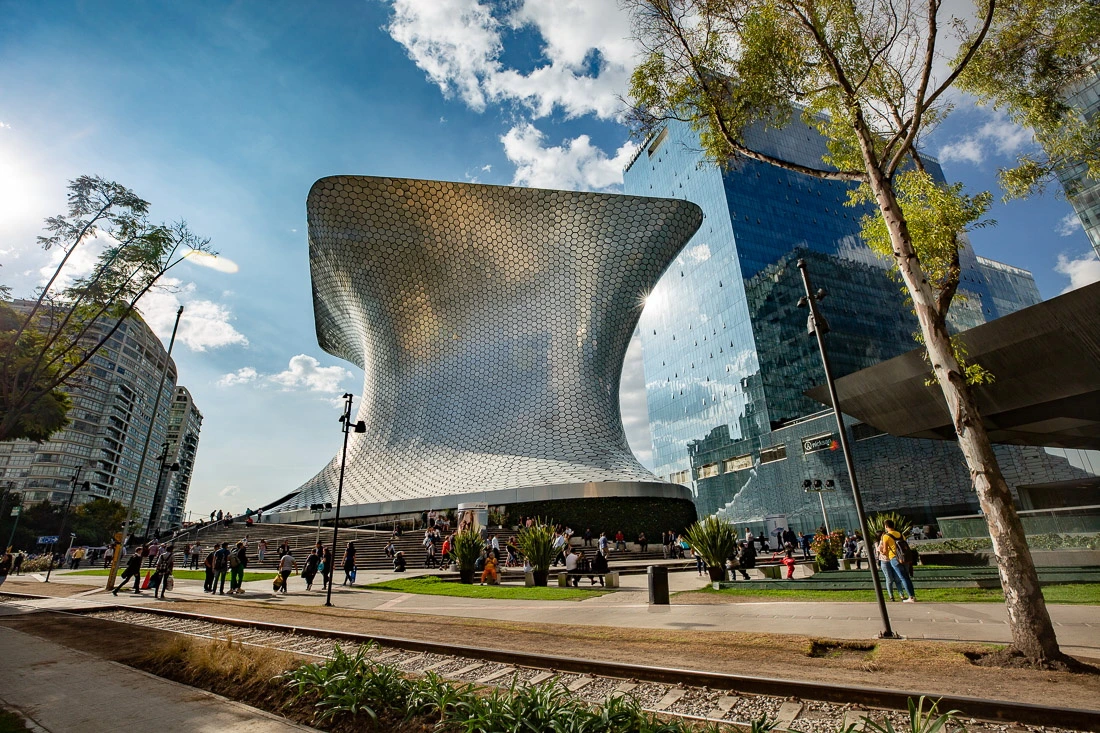
Museo Soumaya precio gratuito, Ciudad de México. Fotografía por © Kiko Kairuz 2024

A Monument
to Love and Art

“THE AVANT-GARDE ICON OF GLOBAL PATRONAGE.”

Wrapped in 16,000 hexagonal aluminum tiles, the Soumaya Museum is more than an architectural masterpiece; it is a profound tribute from Carlos Slim to the memory of his late wife, Soumaya Domit. A true love story.

This avant-garde landmark houses one of the world’s most significant private collections as a gift of world-class culture to the city.

THE MASTERPIECE: 
Ascend to the top floor to find the largest collection of Auguste Rodin sculptures outside of France, displayed under a breathtaking natural skylight.

THE INSIDER TIP: 
Admission is free for everyone, every day, reflecting the family’s vision of making art accessible to all.
MUSEO SOUMAYA

HOURS:

MONDAY TO SUNDAY

10:30 AM – 6:30 PM

CLOSED: MONDAY

ADMISSION:

General entry $0.00 MXN Free entry for everyone

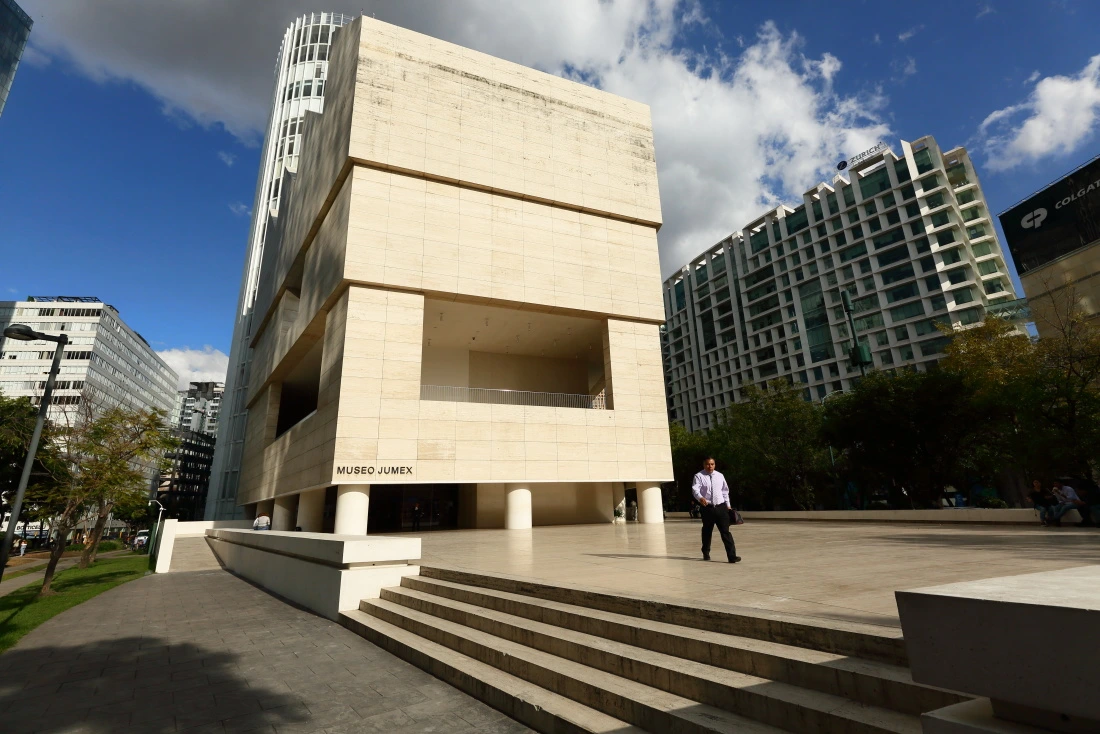
Museo Jumex Costos de entrada

The Contemporary Edge

“THE MINIMALIST MASTERPIECE OF CONTEMPORARY ART.”

Designed by the legendary David Chipperfield, the Jumex Museum is a masterpiece of minimalist architecture. With its iconic sawtooth roof, it stands as the premier platform for the world’s most provocative and innovative contemporary art in Latin America.

THE INSIDER TIP: 
Head to the outdoor terrace on the first floor. It offers a unique, framed perspective of the metallic Soumaya Museum next door—the perfect architectural “dialogue” for your city photos.
jumex

HOURS:

TUESDAY – FRIDAY:

10 AM – 5 PM

SATURDAY:

10 AM – 7 PM

SUNDAY:

10 AM – 5 PM

CLOSED: MONDAY

ADMISSION:

General entry $0.00 MXN Free entry for everyone

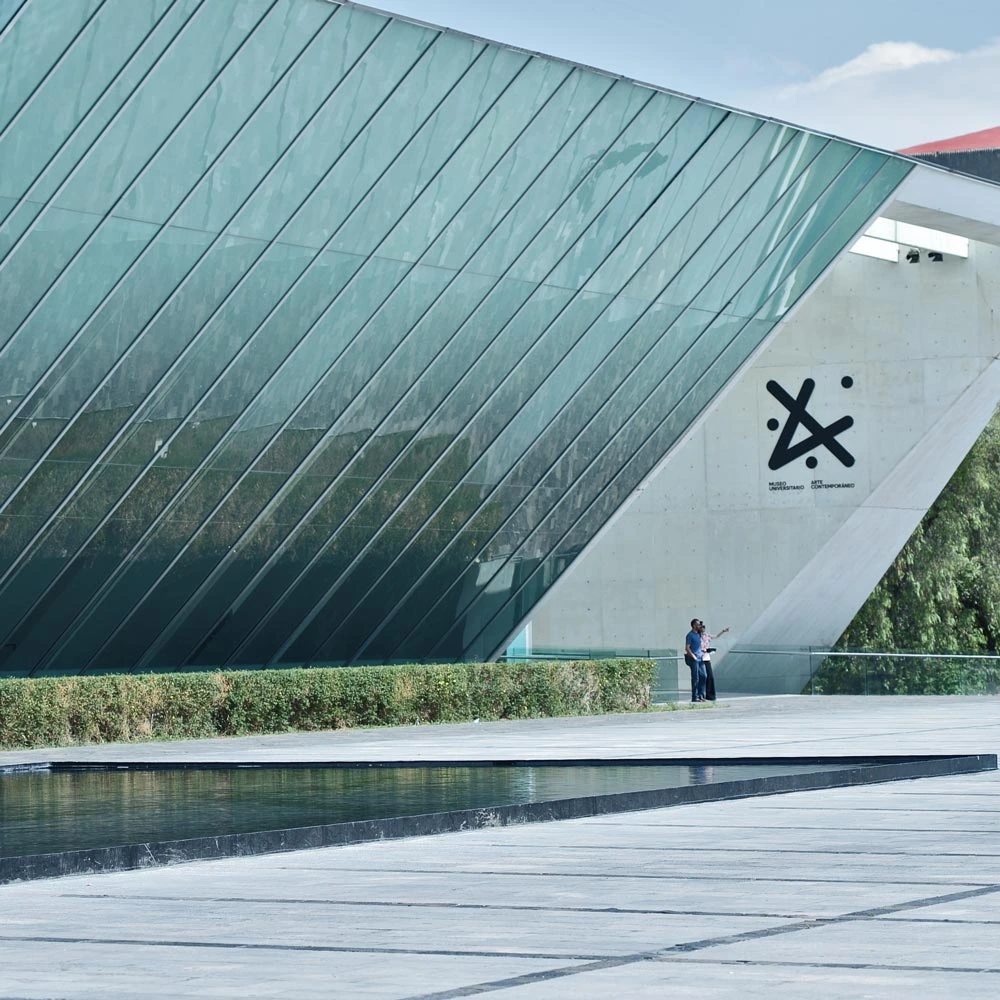
MUAC - Museo Universitario de Arte Contemporáneo, Mapa de Ciudad de México - CityMApps.com Foto Kiko Kairuz

The Concrete
Avant-Garde

“THE BUTALIST VORTEX.”

Designed by the visionary Teodoro González de León, the MUAC is a radical masterpiece of glass and light. Located within the UNAM’s Olympic City—a UNESCO World Heritage site—it is Mexico’s premier laboratory for provocative, world-class contemporary art.

THE INSIDER TIP:
Step into the “Espacio Escultórico” nearby. This massive, circular volcanic rock formation is a surrealist landscape of cosmic proportions and one of the city’s most powerful, hidden architectural secrets.
muac

HOURS:

WEDNESDAY TO SUNDAY

11 AM – 6 PM

CLOSED: MONDAY AND TUESDAY

ADMISSION:

General entry $40.00 MXN

SUNDAYS General entry

$20.00 MXN

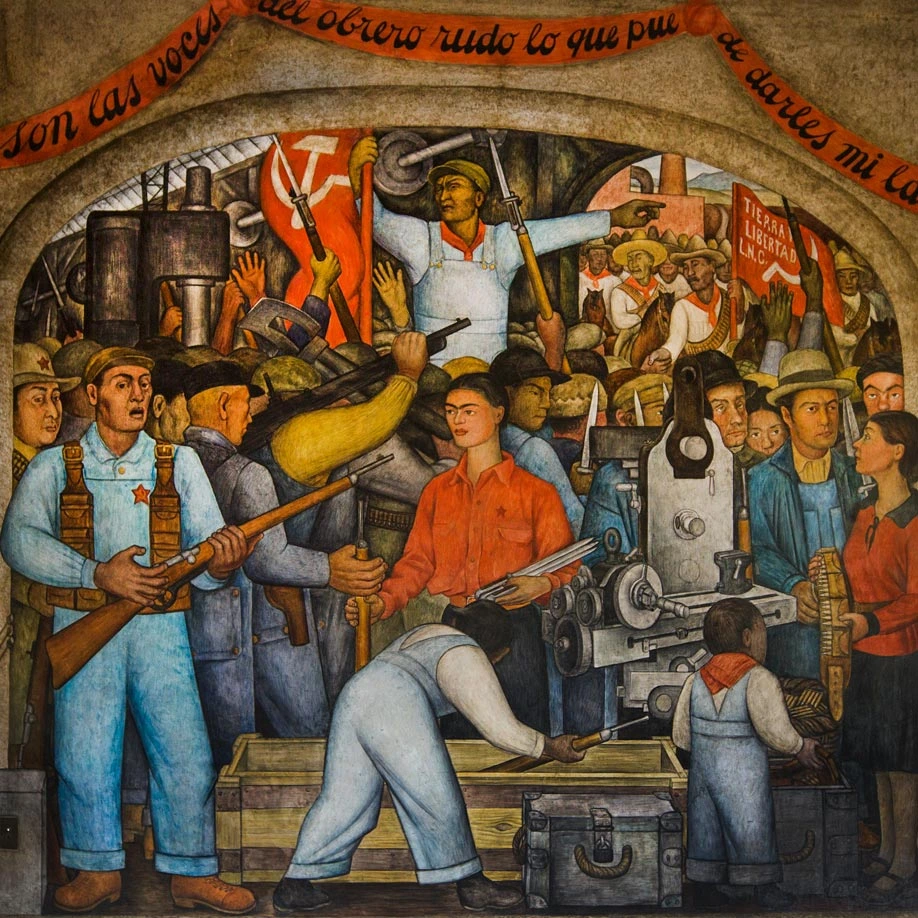
SEP - Museo de SItio, Secretaría de Educación Pública, Mapa de Ciudad de México. Centro Histórico, Foto Kiko Kairuz

The Sistine Chapel
of the Americas

“AN EPIC JOURNEY THROUGH STONE AND FRESCO.”

Hidden within the courtyards of a colonial palace in the Historic Center, the SEP Building is a monumental living masterpiece. 

With over 200 murals, it houses Diego Rivera’s most extensive and personal narrative of the Mexican soul, painted at the dawn of the revolution.

THE INSIDER SEARCH: 
Ascend to the third floor. Among the vast murals, look for Frida Kahlo depicted as a young revolutionary—a rare and intimate glimpse into her life through Diego’s eyes.
SEP
MUSEO DE SITIO

INSIDER TIP: It is not a usual museum, so you need to request access by leaving a personal document at the entrance.

HOURS:

MONDAY TO FRIDAY

9 AM – 5 PM

ADMISSION: General entry $0.00 MXN

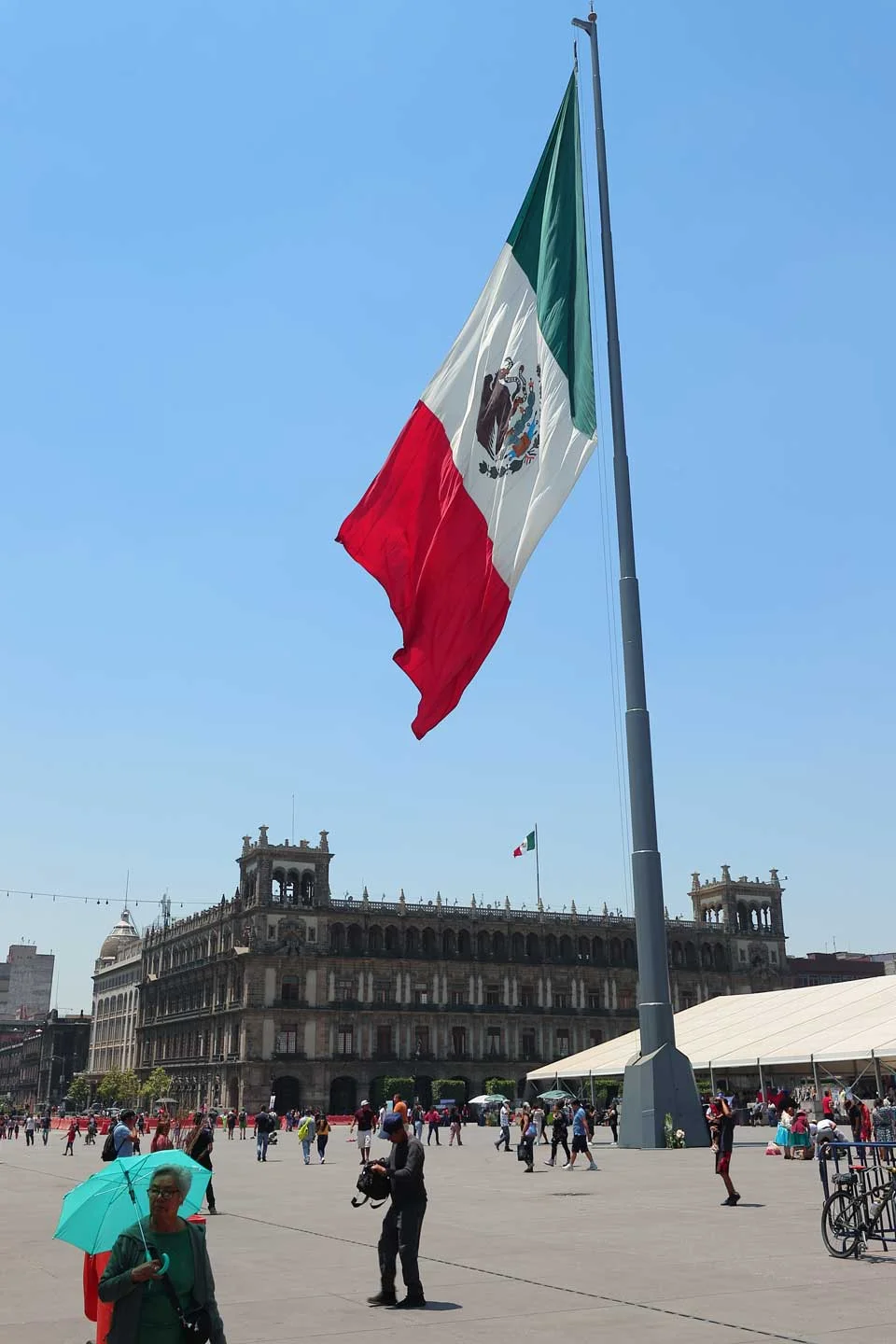
Zócalo, Plaza de la Constitución, Centro Histórico, Ciudad de México. © Kiko Kairuz 2024.
Plaza de la Constitución

EL ZÓCALO

More than a square, the Zócalo is a monumental void charged with centuries of history. Built upon the ruins of the Aztec spiritual center, it remains the definitive epicenter of Mexico’s political and cultural life—a place where the ancient past and the vibrant present beat as one.

THE INSIDER TIP:
Experience the Flag Ceremony at sunrise or sunset. The sheer scale of the national flag being raised or lowered by soldiers in this massive stone expanse is one of the city’s most powerful and cinematic rituals.

CATEDRAL METROPOLITANA
TEMPLO MAYOR
MAF – PHOTOGRAPHY
COLEGIO SAN ILDEFONSO
MUSEO DE LAS CULTURAS
MUSEO DEL ESTANQUILLO
PALACIO DE ITURBIDE
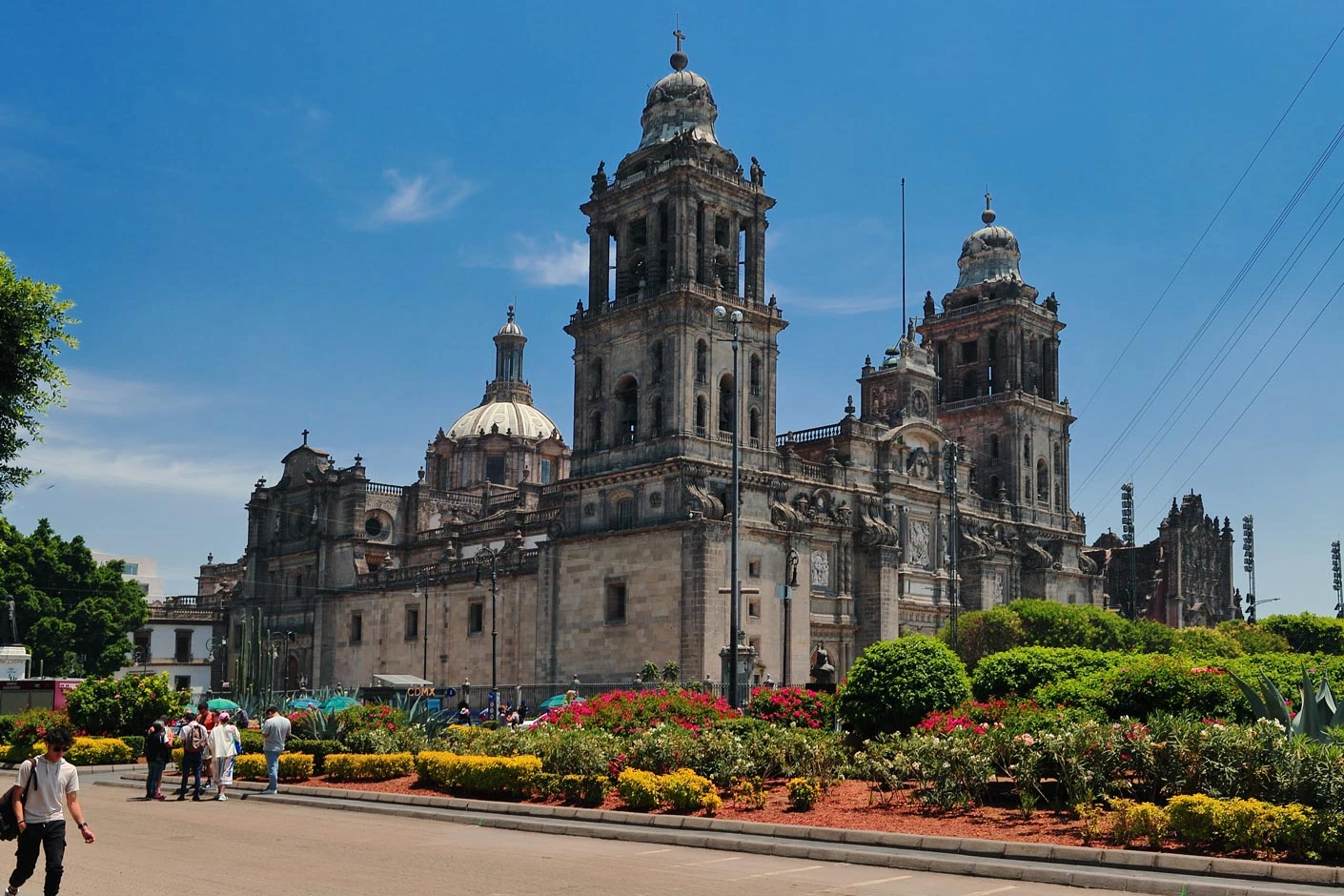


IMG 5989 caatedral metropolitana cdmx 2024 kk

CATEDRAL METROPOLITANA

“THE STONE GIANT.”

A masterpiece three centuries in the making, the Metropolitan Cathedral is a living record of Mexico’s colonial soul. Built upon the sacred grounds of Tenochtitlan, its walls are a seamless blend of Baroque drama and Neoclassical precision, standing as the oldest and grandest sanctuary in the Americas.

THE INSIDER TIP:
Don’t just look at the altar; book a tour of the Bell Towers. The climb offers an unparalleled perspective of the Zócalo from above, where you can hear the city’s pulse from the heights of history.

CATEDRAL METROPOLITANA

The cathedral houses impressive altars, chapels, altarpieces, and a monumental organ, along with artistic treasures that tell the story of the evolution of sacred art in Mexico. Please enter with respect as it is a place of Catholic worship. Thank you!

HOURS: TUESDAY TO SUNDAY 9 AM – 5:30 PM

CLOSED: MONDAY

ADMISSION: TUESDAY TO SATURDAY General entry $0.00 MXN

TEMPLO MAYOR

“THE SACRED HEART OF TENOCHTITLAN”.

Buried for centuries beneath the modern capital, the Templo Mayor was the spiritual and political epicenter of the Mexica Empire. It is a monumental gateway into the ancient world—where the grandeur of the Aztec past meets the pulse of the present.

THE INSIDER TIP:
Look for the House of the Eagles. It houses some of the most hauntingly beautiful life-sized clay sculptures of the Aztec warrior elite, offering a rare and intimate glimpse into their sacred rituals.
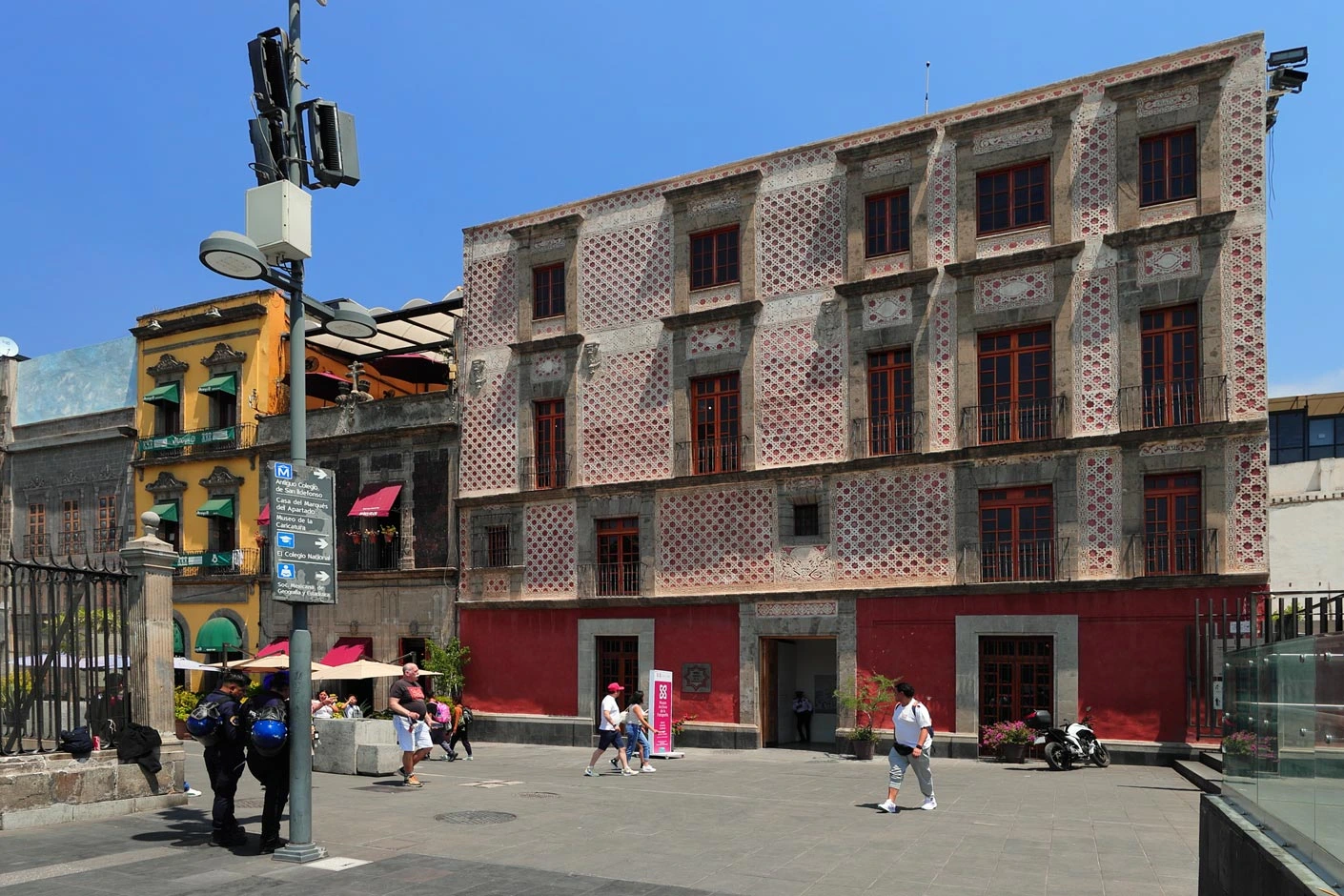
TEMPLO MAYOR

More than just a relic of the past, this place is a symbol of the magnificence of the Mexica civilization and a living testament to the interaction between the pre-Hispanic legacy and the urban modernity of Mexico City.

Visiting it is essential for those who wish to delve into Mexico’s historical and cultural roots.

HOURS: TUESDAY TO SUNDAY: 9 AM – 5 PM

ADMISSION: General entry $95 MXN

SUNDAYS: Free entry for everyone

IMG 5903 MUSEO ARCHIVO DE LA FOTOGRAFIA CDMX

MAF – fotografía

“THE CITY’S VISUAL MEMORY”

Housed in the historic House of the Bells, this museum is a time machine made of light and silver. It guards the definitive photographic soul of CDMX, capturing its architectural and social evolution from the late 19th century to the electric present.

THE INSIDER TIP:
Check the balcony. The museum offers one of the most unique, close-up views of the Templo Mayor excavations and the back of the Cathedral—a perspective most travelers never see.

MAF

In addition to its permanent collection, the Photography Archive Museum organizes temporary exhibitions and workshops related to photography.

It is an ideal place for those who wish to explore the history of the city through images and learn about the role of photography in documenting urban life.

HOURS: TUESDAY TO SUNDAY 10 AM – 5 PM

CLOSED: MONDAY

ADMISSION: General entry $0.00 MXN

Museo Colegio San idelfonso, Centro Histórico, Ciudad de México. Foto © Kiko Kairuz 2024.

COLEGIO
SAN ILDEFONSO

“THE BIRTHPLACE OF MURALISM.”

Step into the 16th-century Jesuit halls where Mexico’s visual identity was forged. San Ildefonso is the sacred ground of art, housing the first monumental works of giants like Diego Rivera, Orozco, and Siqueiros.

THE INSIDER TIP:
Don’t miss Diego Rivera’s first mural, “The Creation”, located in the amphitheater. It’s the precise spot where the most important artistic movement in Latin America began.

COLEGIO SAN ILDEFONSO

The Old College of San Ildefonso is a historic cultural center on the map of Mexico City, famous for its Baroque architecture and its role in the muralist movement.

HOURS: TUESDAY TO SUNDAY 11 AM – 6 PM

CLOSED: MONDAY

ADMISSION: General entry $50 MXN

Fachada del Museo de las Culturas, Centro Histórico, Ciudad de México. Foto por @ Kiko Kairuz 2024.

MUSEO DE
LAS CULTURAS

“THE WORLD’S MIRROR”

Housed in the historic Old Mint, this museum is a global crossroads in the heart of CDMX. It offers a rare window into the diverse values, beliefs, and daily lives of civilizations across every continent—a place where the world’s heritage meets Mexico’s history.

THE INSIDER TIP:
Look up. The building itself is a colonial masterpiece. Its central courtyard is one of the most serene and photogenic “secret” gardens in the Historic Center, perfect for a quiet escape from the Zócalo’s energy.
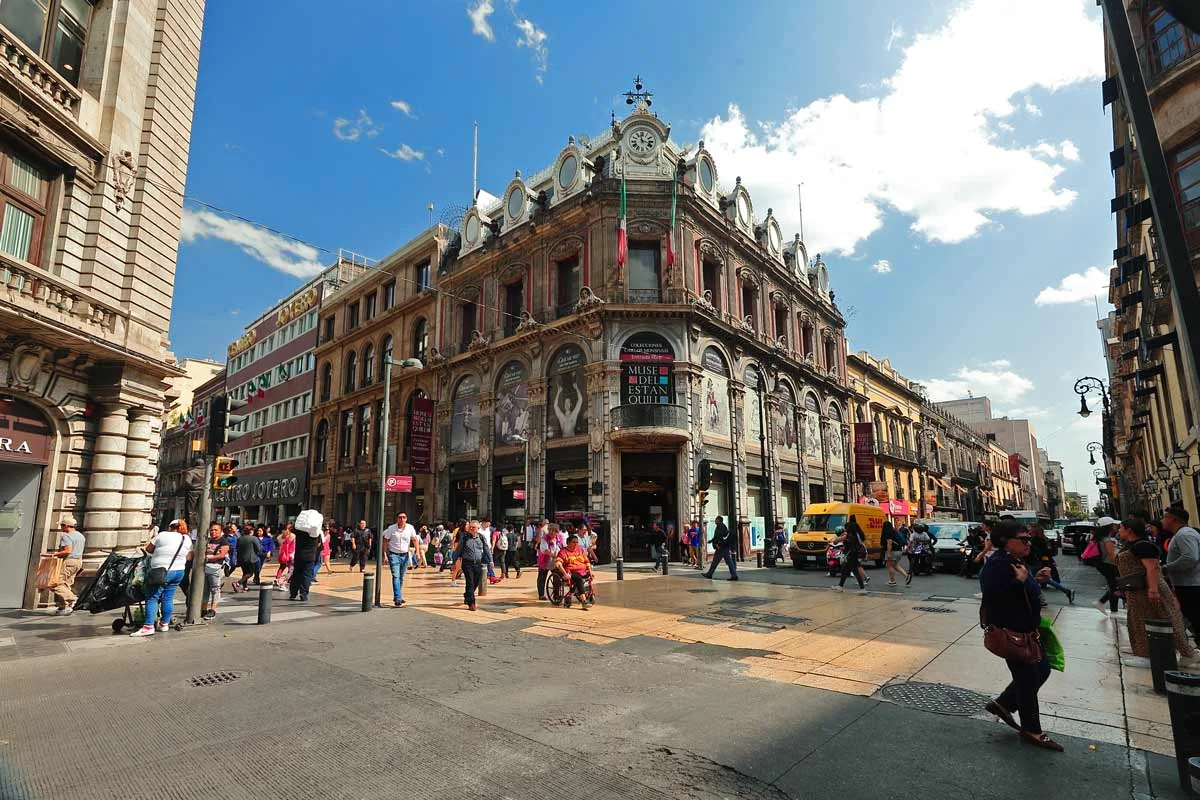
MUSEO DE LAS CULTURAS

The National Museum of World Cultures is a museum dedicated to cultural diversity and the civilizations of different continents.

HOURS: TUESDAY TO SUNDAY: 10 AM – 6 PM

CLOSED: MONDAY

ADMISSION: General entry $0.00 MXN

Zócalo Plaza de la constitución - Centro Histórico - Ciudad de México CDMX - fFoto por © Kiko Kairuz 2024

MUSEO DEL ESTANQUILLO

“THE SOUL OF POPULAR CULTURE”

Located on the vibrant Madero Street, this museum houses the eclectic and witty personal collection of legendary writer Carlos Monsiváis. It is a colorful treasure trove of caricatures, folk art, and vintage photography that captures the true, unfiltered essence of the Mexican spirit.

THE INSIDER TIP:
Head straight to the rooftop terrace. It offers one of the best (and least crowded) views of the Madero pedestrian street and the surrounding historic domes—the perfect spot for an architectural “pit stop.”
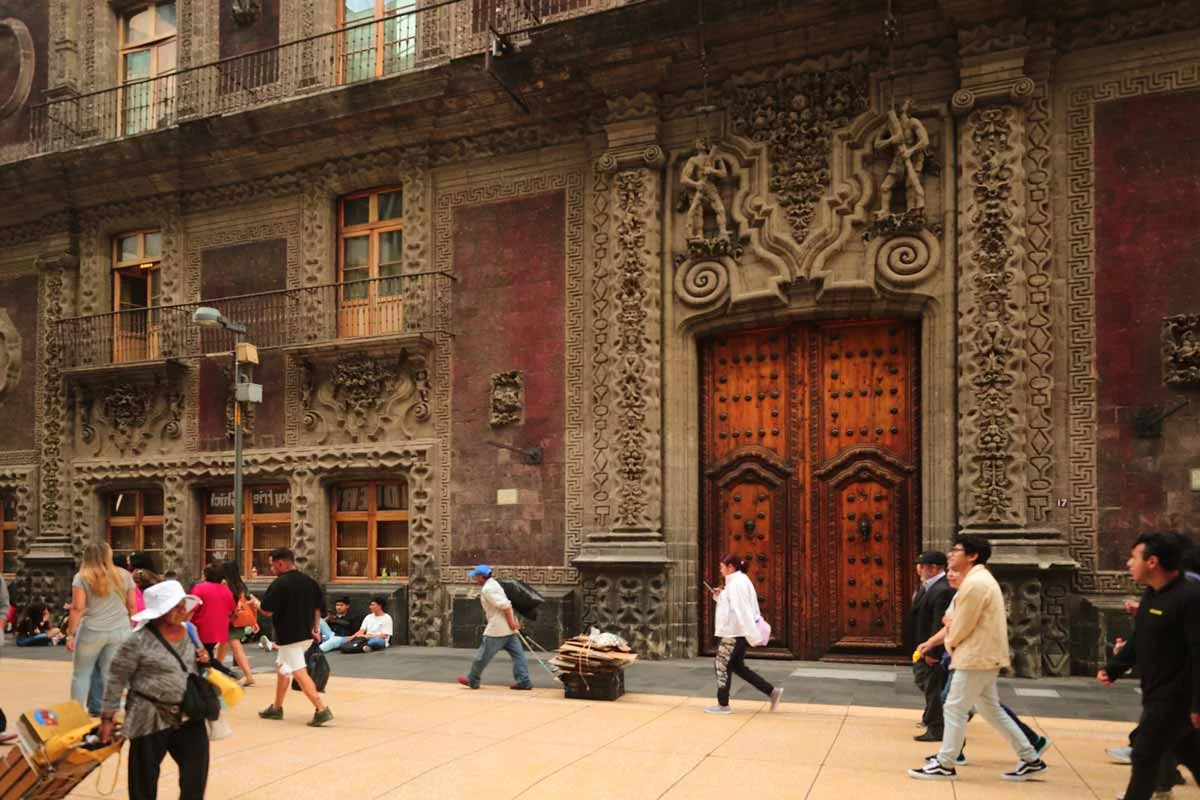
MUSEO DEL ESTANQUILLO

In addition to its exhibitions, the museum organizes cultural activities and workshops, offering an accessible and entertaining experience to discover the cultural richness and critical humor of Monsiváis.

Visit the café on the museum’s terrace and enjoy a coffee with a view of Francisco I. Madero Avenue, the most important pedestrian street in the historic center of CDMX.

HOURS: MONDAY TO SUNDAY 10 AM – 6 PM

CLOSED: TUESDAY

ADMISSION: General entry $0.00 MXN

Palacio de Iturbide, Avenida Francisco Madero, Centro Histórico, Ciudad de México. Foto por © Kiko Kairuz 2024.

PALACIO
DE ITURBIDE

“THE EMPEROR’S PALACE”

A towering 18th-century Baroque masterpiece, this was once the private residence of Agustín de Iturbide, Mexico’s first emperor. Today, it stands as a premier cultural venue, housing the prestigious art collection of Fomento Cultural Citibanamex within its majestic carved-stone courtyards.

THE MASTERPIECE:
Don’t just look at the galleries. The building is considered the “crown jewel” of civil Baroque architecture in the Americas—a must-see for design and history enthusiasts.

THE INSIDER TIP:
Look up in the main courtyard. The sheer height of the arches and the intricate stone details are designed to make you feel the imperial grandeur of old Mexico.
PALACIO DE ITURBIDE

Currently, the palace is the headquarters of the Citibanamex Cultural Foundation and hosts temporary art, history, and culture exhibitions. It is known for its impressive facade and central courtyard decorated with arches and columns, and it is an outstanding example of colonial architecture in Mexico.

HOURS: MONDAY TO SUNDAY 10 AM – 7 PM

ADMISSION: General entry $0.00 MXN

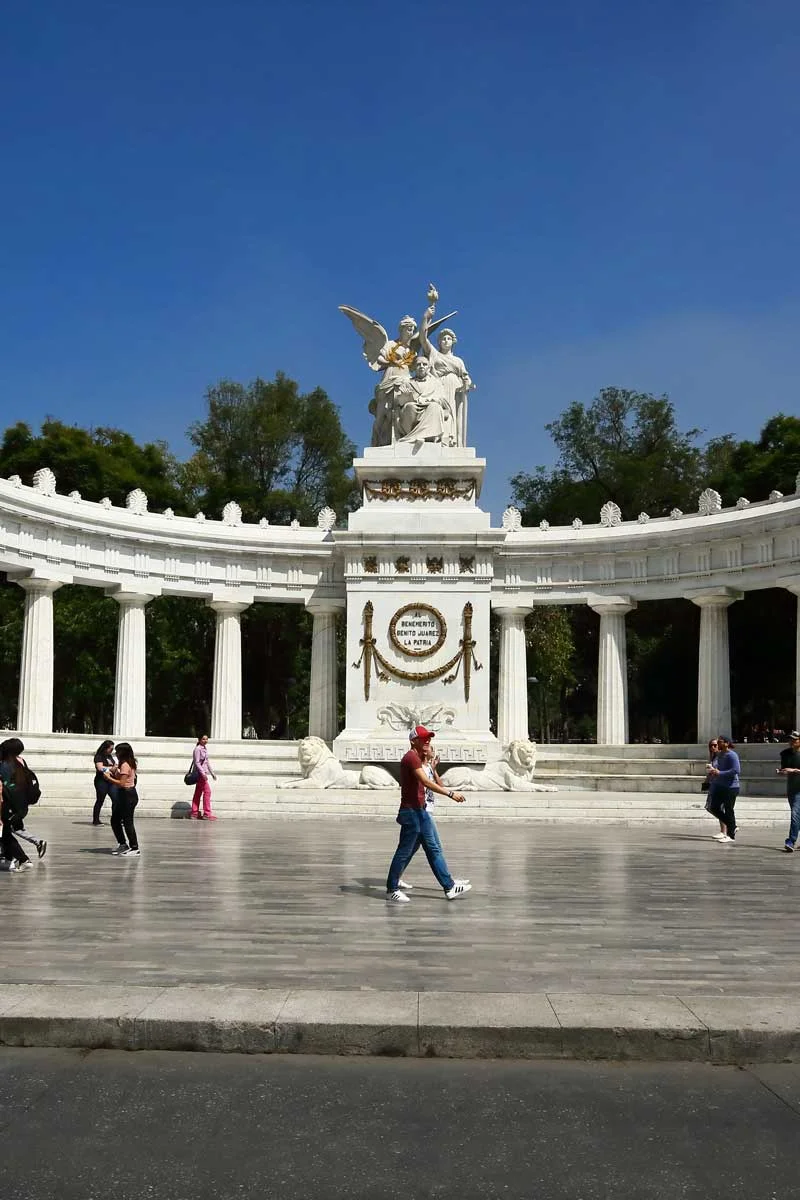
Alameda Central, Historic Center, Mexico City.
Hemiciclo to Benito Juárez

la Alameda central

“THE CONTINENTAL GARDEN.”

Established in 1592, the Alameda Central is the oldest public park in the Americas. It is a leafy, high-altitude oasis of marble fountains and French-inspired promenades, serving as the serene gateway to the majestic Golden Dome of Bellas Artes.

THE INSIDER TIP:
Look for the Hemiciclo a Juárez. This grand semi-circular marble monument is the park’s crown jewel and the perfect spot to capture the contrast between colonial history and the city’s modern skyline.

PALACIO DE BELLAS ARTES
MUSEO FRANZ MAYER

MUSEO MURAL DIEGO RIVERA
MERCADO DE SAN JUAN

MONUMENTO A LA REVOLUCIÓN
BARRIO CHINO


Palacio de Bellas Artes, Ciudad de México. Fotografía por © Kiko Kairuz 2024.

PALACIO DE
BELLAS ARTES

“THE GOLDEN DOME”

An unmistakable icon of the CDMX skyline, this Carrara marble masterpiece is where Art Nouveau grandeur meets Art Deco precision. Beyond its vibrant dome, it is the sacred stage of the Ballet Folklórico de México, a world-renowned spectacle of color and tradition that brings the nation’s soul to life.

THE MASTERPIECE:
Inside, the walls speak through monumental murals by Rivera, Siqueiros, and Orozco, framed by a legendary crystal curtain.

THE INSIDER TIP:
For the definitive photo, head to the 8th floor of the Sears building across the street. The balcony offers the most spectacular panoramic view of the palace’s architecture and its legendary Pegasus sculptures.
PALACIO DE
BELLAS ARTES

This space is a prestigious stage for opera, dance, and the Ballet Folklórico of Mexico, as well as the home of the National Symphony Orchestra, offering an unparalleled cultural experience.

HOURS: TUESDAY TO SUNDAY 10 AM – 5:30 PM

CLOSED: MONDAY

ADMISSION: General entry $0 MXN Free entry for everyone

Museo Franz Mayer, Centro Histórico, Ciudad de México, puerta de entrada. Foto © Kiko Kairuz 2024.

MUSEO FRANZ MAYER

“THE DESIGN SANCTUARY”

Housed in a 16th-century former hospital, the Franz Mayer Museum is Mexico’s definitive temple of decorative arts. It preserves the exquisite legacy of a German collector who fell in love with Mexico, showcasing centuries of silver, textiles, and furniture that define the art of living.

THE INSIDER TIP:
The Central Cloister is one of the most beautiful and serene courtyards in Latin America. It’s the perfect place to enjoy a coffee while surrounded by colonial architecture—an absolute “must” for design hunters and photographers.
MUSEO
FRANZ MAYER

Within its walls, the museum offers a rich exhibition of furniture, ceramics, textiles, silverware, ancient books, and decorative objects that span various eras and regions, with a special focus on Mexico and Europe.

HOURS: TUESDAY TO SUNDAY 10 AM – 5 PM

CLOSED: MONDAY

ADMISSION:
TUESDAY: General entry $0.00 MXN

WEDNESDAY TO SATURDAY General entry $100.00 MXN

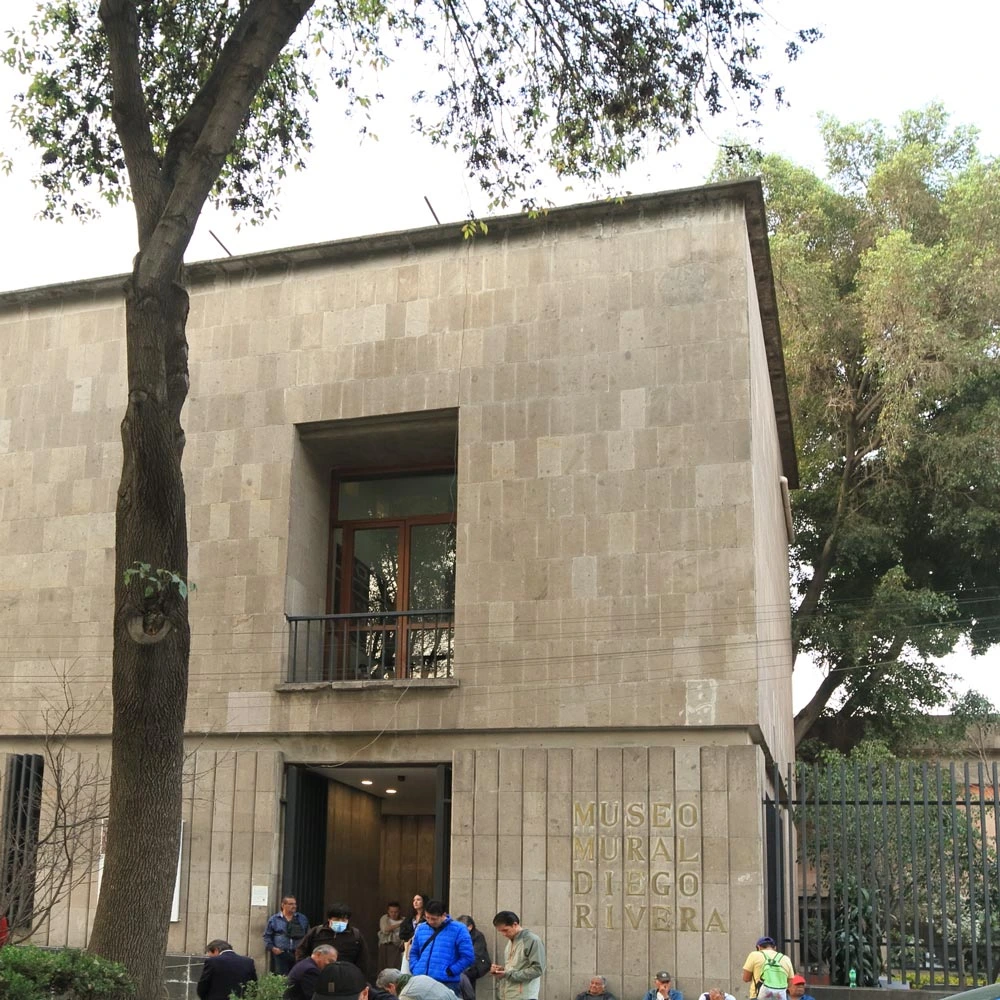
Museo Mural Diego Rivera, Mapa de Ciudad de México. CityMapps.com. Foto Kiko Kairuz

MUSEO MURAL
DIEGO RIVERA

“THE MASTERPIECE GALLERY”

Designed for a single purpose, this museum is the sanctuary of Diego Rivera’s most iconic mural: “Dream of a Sunday Afternoon in the Alameda Central.” It is a monumental, 15-meter visual journey through 400 years of Mexican history, captured in a single, vivid afternoon.

THE INSIDER TIP:
Look for the young Diego holding hands with La Catrina (the elegant skeleton), with Frida Kahlo standing right behind them. This “trinity” is the emotional heart of the mural and the definitive photo of the collection.
MUSEO MURAL
DIEGO RIVERA

This mural, originally painted in the Hotel del Prado, was moved to the museum after the 1985 earthquake to ensure its preservation.

HOURS: TUESDAY TO SUNDAY 10 AM – 6 PM

CLOSED: MONDAY

ADMISSION: TUESDAY TO SATURDAY General entry $45.00 MXN SUNDAYS General entry $0.00 MXN

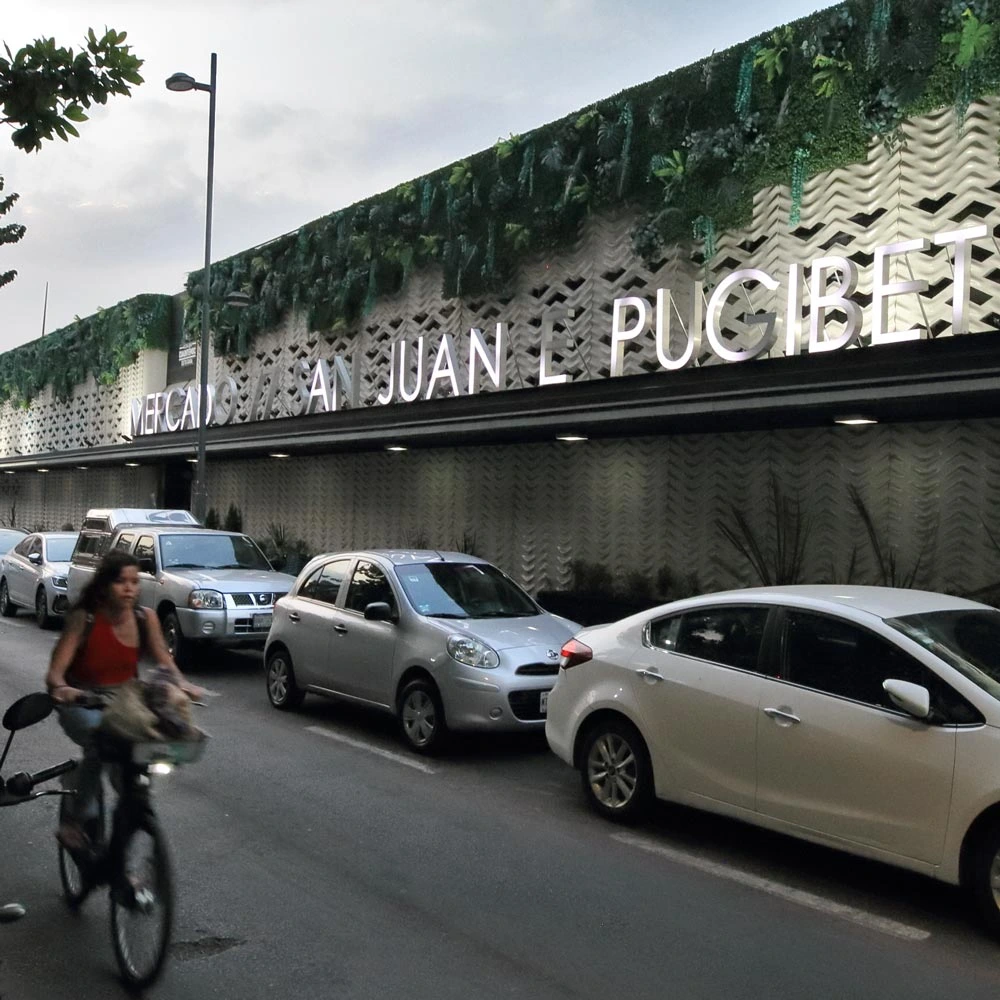
Mercado de San Juan de Pugielet,  Mapa de Ciudad de México. CityMapps.com. Foto Kiko Kairuz

MERCADO
DE SAN JUAN

“THE GOURMET FRONTIER”

The definitive destination for chefs and culinary explorers, the San Juan Market is the city’s legendary vault of exotic flavors. It is a sensory journey where the traditional meets the radical—from artisan cheeses and rare coffees to its world-famous selection of unconventional proteins.

THE EXPERIENCE:
This is the place to challenge your palate with anything from scorpion and crocodile to the most talked-about “exotic” meats in North America.

THE INSIDER TIP:
Don’t just look; eat. Visit the artisan deli stalls for a tapa and a glass of wine. It’s the ultimate “insider” ritual to soak in the market’s vibrant, high-energy atmosphere.

MERCADO DE
SAN JUAN

If you have a stomach of steel, an extravagant palate, or a cat’s curiosity, this place is “the bomb.”

HOURS: WEDNESDAY TO SUNDAY 7 AM – 6 PM

Monumento a la Revolución Mexicana, Ciudad de México. Foto © Kiko Kairuz

MONUMENTO
A LA REVOLUCIÓN

“THE ARCH OF LIBERTY.”

A soaring Art Déco masterpiece, this 67-meter monument is the city’s definitive tribute to its revolutionary soul. Built within the skeletal structure of what was meant to be a grand palace, it now stands as a powerful icon of strength, housing the legends of Mexico’s past within its massive copper dome.

THE INSIDER TIP:
Take the glass elevator to the summit. It’s an adrenaline-filled journey that leads to the observation deck, offering a unique 360-degree view of the city’s skyline that is especially magical during the “golden hour.”
MONUMENTO A
LA REVOLUCIÓN

HOURS:

MONDAY TO THURSDAY 12 PM – 8 PM FRIDAY AND SATURDAY 12 PM – 10 PM SUNDAY 10 AM – 8 PM

ADMISSION: General entry $150.00 MXN Children under 13: $100.00 MXN

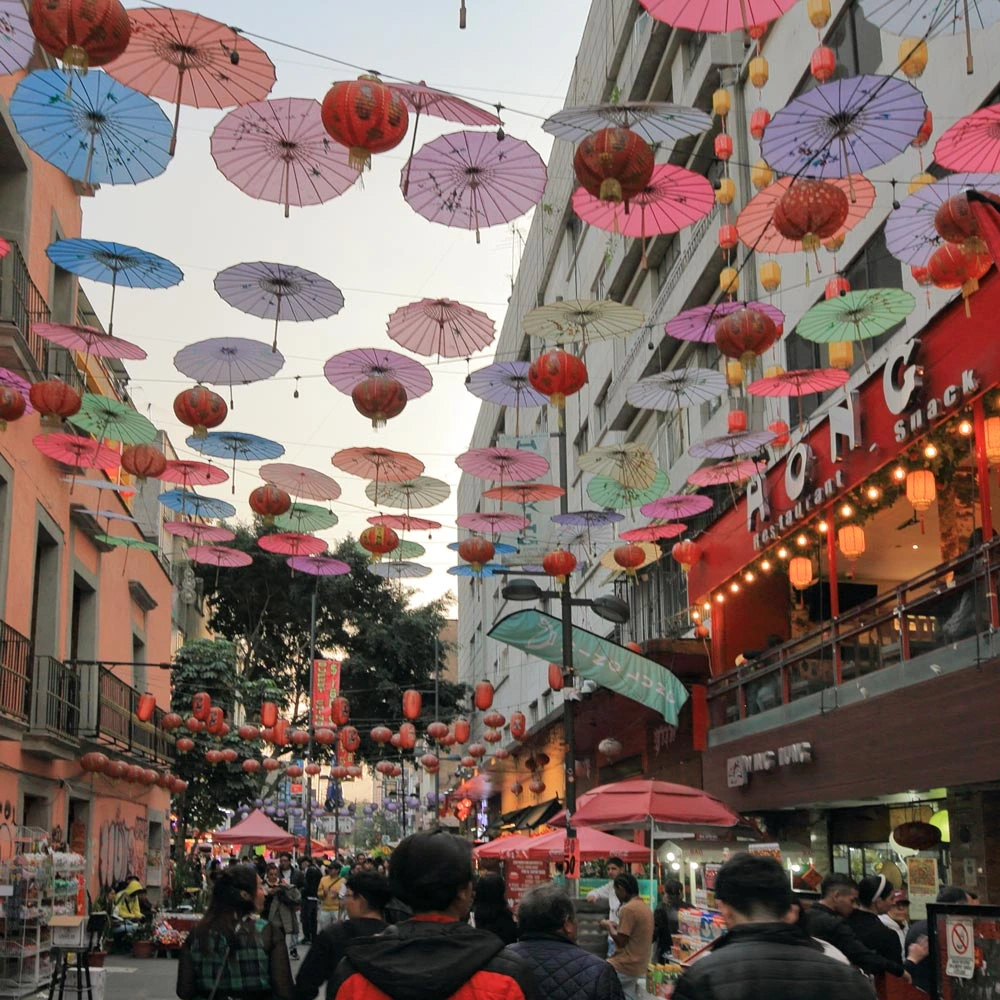
Barrio Chino, Mapa de Ciudad de México. CityMapps.com. Foto Kiko Kairuz

chinatown

“THE ORIENTAL ENCLAVE”

A vibrant burst of color in the heart of the city, Barrio Chino is Mexico City’s legendary micro-district of Asian culture. Marked by its iconic red arches and glowing lanterns, it is a sensory journey where traditional Chinese flavors meet the electric energy of the capital’s downtown.

THE EXPERIENCE:
From the legendary “Pan al Vapor” (steamed buns) to authentic street-side dim sum, this is the city’s definitive destination for a quick, high-flavor escape.

THE INSIDER TIP:
Visit during Lunar New Year (late January or February). The narrow street of Dolores transforms into a spectacular stage for lion dances and fireworks—one of the city’s most photogenic and energetic cultural festivals.
barrio chino

It is especially popular during Chinese New Year celebrations, when the streets are filled with parades, dances, and festivities that reflect the richness of this community.

Basilica de Guadalupe Mexico City. Photo by © Kiko Kairuz 2024
Santa María de Guadalupe

la villa

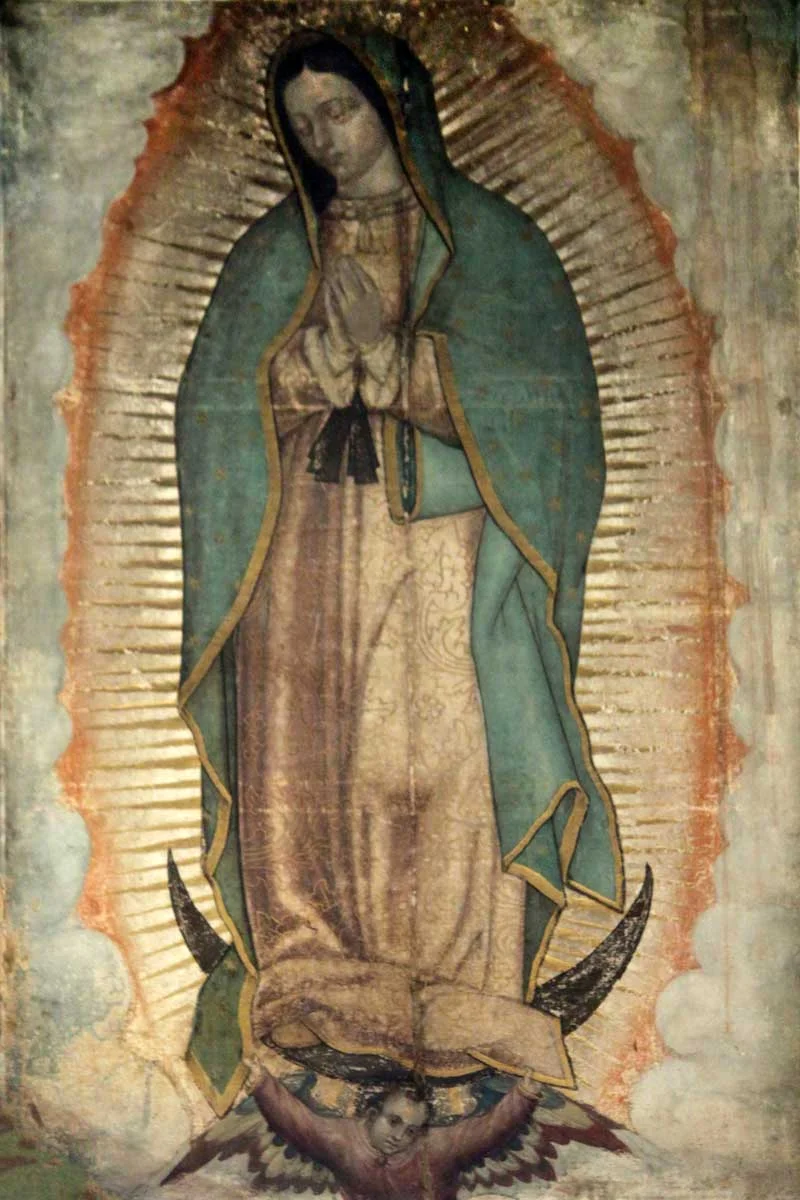
“OUR LADY: THE HEART OF FAITH.”

The Basilica of Guadalupe is the most visited Catholic shrine in the Americas—a monumental sanctuary where centuries of devotion meet. This sacred complex is a masterclass in architectural contrast, housing the 17th-century Old Basilica alongside the visionary, modernist masterpiece that guards the legendary Tilma of Juan Diego.

THE INSIDER TIP:
Take the stairs up to the Capilla del Cerrito. The climb rewards you with one of the most serene and panoramic views of northern Mexico City, away from the bustling crowds below.

LA BASÍLICA NUEVA
LA BASÍLICA ANTIGUA
CASA DE LA VIRGEN
SANTUARIO DEL CERRO

CAPILLA DEL JURAMENTO


LA BASÍLICA NUEVA

“THE MODERNIST SANCTUARY.”

A 20th-century architectural triumph designed by the legendary Pedro Ramírez Vázquez, this circular masterpiece was built to embrace millions. Its soaring, tent-like copper roof is a visionary landmark of the Tepeyac skyline, housing the most sacred icon of the Americas.

THE MASTERPIECE:
Beneath its massive nave, a moving walkway allows you to witness the Tilma of Juan Diego—the 16th-century cloak bearing the image of the Virgin—in a seamless, high-flow spiritual experience.

THE INSIDER TIP:
Look up. The interior’s golden acoustics and the absence of central pillars create a sense of infinite space that is both humbling and spectacular, even for non-believers.

LA BASÍLICA
NUEVA

HOURS: MONDAY TO SUNDAY 8 AM – 8 PM

Basilica antigua, la villa de guadalupe, mapa de ciudad de méxico, foto kiko kairuz. CityMapps.com

LA BASÍLICA ANTIGUA

“THE BAROQUE SENTINEL”

A 17th-century masterpiece of carved stone and gold, the Old Basilica stands as a resilient witness to Mexico’s colonial soul. With its iconic yellow-tiled domes and dramatic Baroque facade, it marks the exact site where history and faith converged centuries ago.

THE EXPERIENCE:
Step inside to feel the weight of time. The leaning floors—a result of the city’s soft volcanic soil—add a surreal, almost mystical layer to its soaring Neoclassical interior.

THE INSIDER TIP:
Look for the massive clock tower on the side. It features a unique mechanical carillon that plays traditional hymns, a sound that has defined the spiritual atmosphere of the Tepeyac for generations.

Capilla del Pozo, La Villa de Guadalupe, MApa de Ciudad de México, Foto Kiko Kairuz.

CASA DE LA VIRGEN

“THE BAROQUE JEWEL BOX”

Often called the most beautiful chapel in Mexico, this 18th-century masterpiece is a rare architectural gem. Its unique circular design and vibrant zigzag-tiled dome mark the exact spot where a sacred spring is said to have emerged—a sanctuary of healing and light in the heart of Tepeyac.

THE EXPERIENCE:
Step inside to witness one of the most intimate and ornate interiors in the city. The mix of dark volcanic stone and white marble creates a visual rhythm that is pure colonial luxury.

THE INSIDER TIP:
Look closely at the star-shaped windows. They are designed to bathe the interior in a celestial light that changes throughout the day, making it a dream for architectural photographers.

SANTUARIO DEL CERRO

“THE SACRED SUMMIT.”

Perched atop the very hill where the legend began, the Cerrito Sanctuary is a place of profound peace and unparalleled views. This high-altitude garden, dotted with stone sculptures and blooming flora, marks the precise site of the 1531 apparitions, offering a serene escape above the bustling city.

THE EXPERIENCE:
More than a pilgrimage, it is a journey through history. As you ascend, the noise of the metropolis fades, replaced by the scent of fresh gardens and the weight of centuries of devotion.

THE INSIDER TIP:
This is the best panoramic view of Northern CDMX. From the hilltop plaza, you can see the architectural contrast between the Old and New Basilicas framed by the volcanic mountains in the distance.

la villa de guadalupe, mapa de ciudad de méxico. kiko kairuz.

CAPILLA DEL
JURAMENTO

“THE WALL OF VOWS”

A living testament to the human spirit, this sanctuary is the definitive space for gratitude and devotion. It is here where millions of pilgrims return to fulfill their sacred promises, leaving behind symbols of faith that transform the stone walls into a vibrant mosaic of hope and answered prayers.

THE EXPERIENCE:
More than a site, it is an emotional epicenter. Witness the profound quietude of those who have traveled miles to offer a simple candle or a personal token, marking a deep, spiritual connection that transcends time.

THE INSIDER TIP:
Look for the “Ex-votos”—small, hand-painted illustrations of miracles. These are rare pieces of folk art that tell the intimate and extraordinary stories of everyday people.
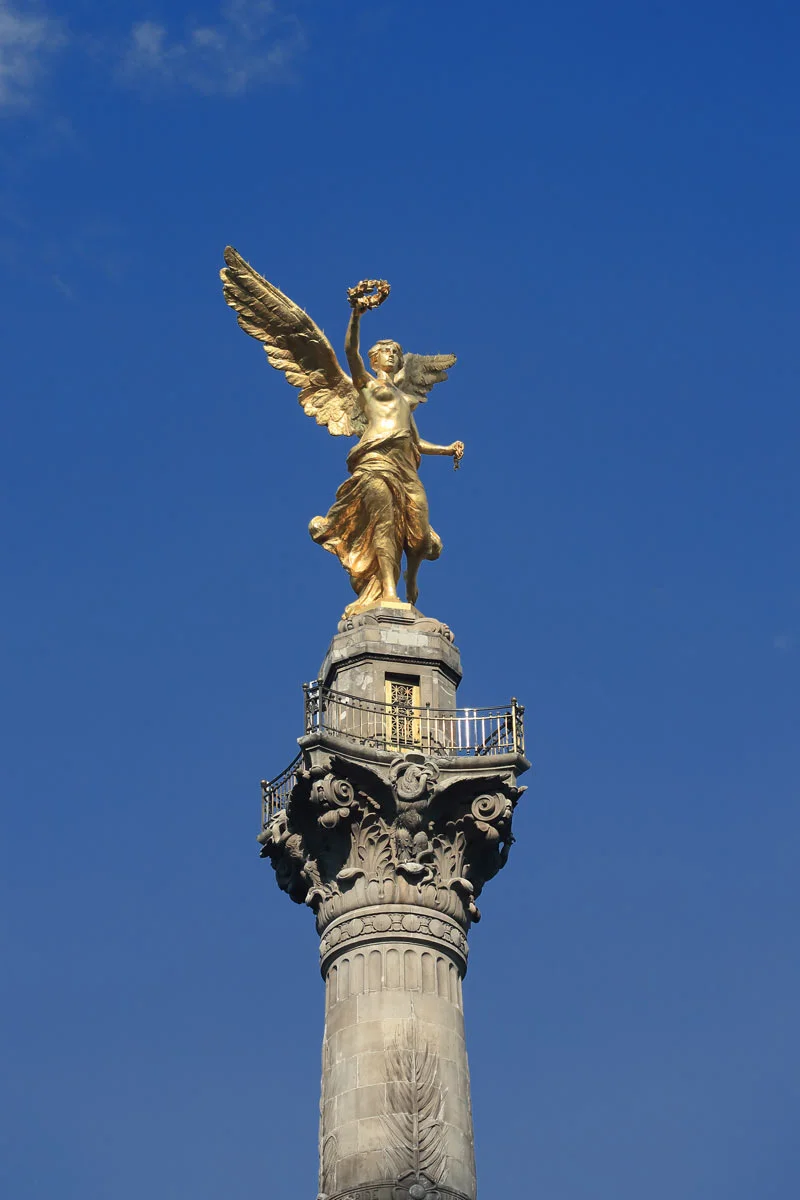
The Angel of Independence is a monument and landmark. Stands for freedom, victory, and resilience for the Mexican people. Located in Reforma Avenue at La Juarez neighborhood in Mexico City. Photograph by © Kiko Kairuz 2024.
El Ángel de La Idependencia

la juárez

THE PORFIRIAN RENAISSANCE.”

Born in the 19th century as the city’s most exclusive enclave, Colonia Juárez is now a vibrant sanctuary of urban transformation. Here, majestic European-style mansions stand alongside the city’s boldest culinary experiments and secret speakeasies.

THE EXPERIENCE:
It is a masterclass in urban contrast. Walking through its grid of eclectic streets is a sensory journey where the opulence of the Belle Époque meets a cosmopolitan, high-octane pulse.

THE INSIDER TIP:
Explore Calle Milán. It has quietly become the city’s most exciting creative corridor, filled with independent design studios, concept stores, and artisanal bakeries that define the Juárez’s new identity—the ultimate “quiet luxury” discovery.

EL ÁNGEL +++
AVE REFORMA
BIBLIOTECA DE MÉXICO
LA CIUDADELA
ZONA ROSA
AVE INSURGENTES
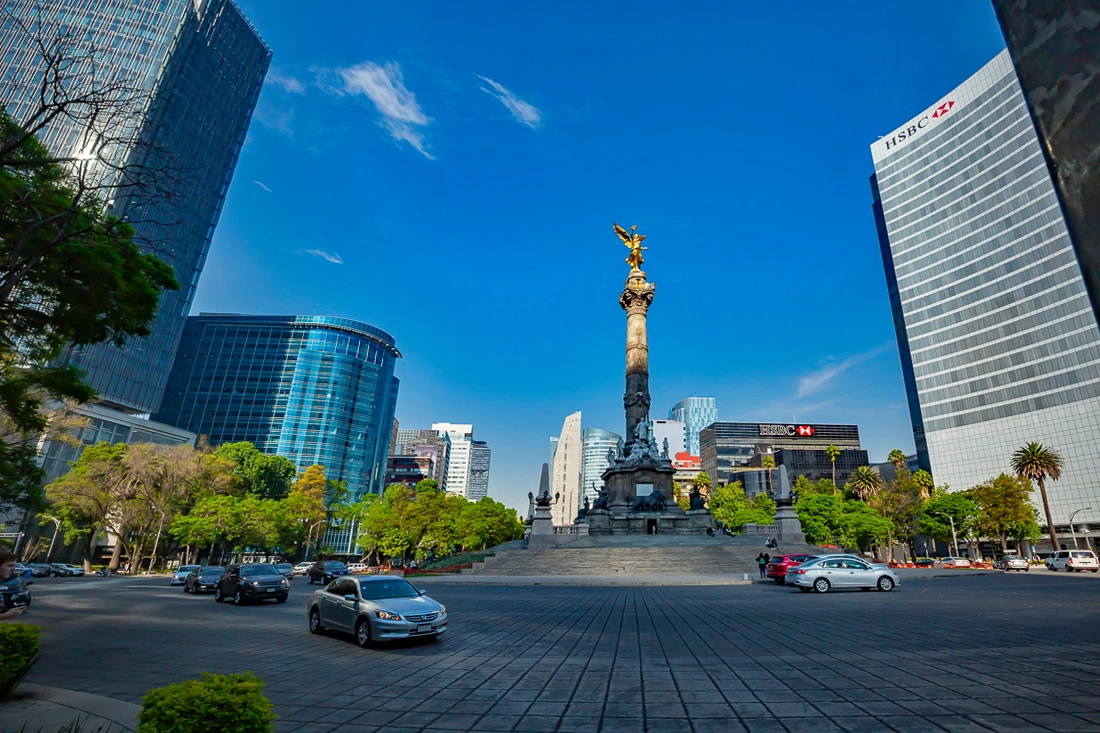


El Ángel de la Independencia, Colonia Juárez, Ciudad de México. Fotografía por © Kiko Kairuz 2024.

the Angel

THE ICON OF FREEDOM

Designed by the legendary architect Antonio Rivas Mercado, the Angel of Independence is the city’s definitive landmark. Its 45-meter-high Corinthian column, crowned by the radiant golden statue of Winged Victory, stands as a resilient symbol of sovereignty and the soul of a nation. 

THE EXPERIENCE:
It is a masterclass in urban grandeur. Standing at its base on Paseo de la Reforma, the city’s electric pulse feels most intense. The interplay of its white Carrara marble and the shimmering 24-karat gold leaf against the sky creates a cinematic high-altitude atmosphere.

THE INSIDER TIP:
Look for the hidden mausoleum at the base. It guards the remains of the nation’s founding heroes, offering a quiet, sacred contrast to the high-energy boulevard outside. To locals, it’s the heartbeat of the city: “See you at the Ángel.”
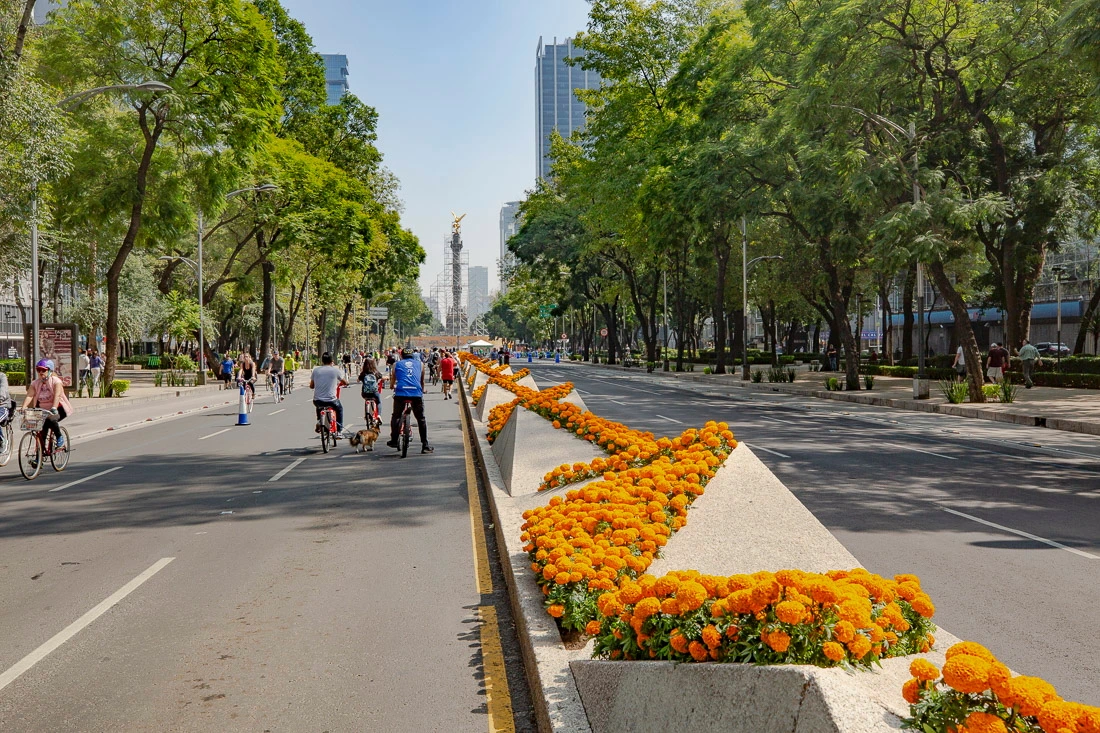
el ángel

The sculpture is a local and national symbol, an iconic meeting point with vital importance in the city’s civic and cultural life, uniting the community’s values and history. So: “See you at the Ángel.”

Avenida Reforma, Ciudad de México, Clima de Ciudad de Mexico. Foto por @ Kiko Kairuz.

Avenida Reforma

THE IMPERIAL BOULEVARD.”

Conceived in the 19th century by Maximilian of Habsburg to mirror the grand boulevards of Europe, Paseo de la Reforma is the city’s definitive architectural spine. It is a high-octane landscape where imperial elegance seamlessly connects the royal heights of Chapultepec Castle with the historic heart of the National Palace.
 
THE EXPERIENCE:
It is a masterclass in urban scale. Walking or cycling along its wide, tree-lined promenades is a sensory journey through the layers of time. The interplay of 19th-century bronze monuments and the soaring glass canyons of 2026 creates a cinematic high-altitude rhythm. It is the ultimate stage where the city’s electric pulse feels most international, offering a breathtaking dialogue between the neoclassical past and a futuristic skyline.

THE INSIDER TIP:
Experience the Sunday Ciclotón. Every Sunday morning, the avenue transforms into a massive, car-free linear park. It is the most authentic way to feel the city’s vibrant energy and witness the monumental scale of its landmarks without the urban rush.
avenida reforma

Trazando la ciudad de oriente a occidente, desde La Villa de Guadalupe hasta Santa Fé, hoy es el corazón financiero y cultural de la capital. Además, es sede de eventos culturales, exposiciones y manifestaciones, incluyendo desfiles como el del Día de Muertos y el LGBTQ+ y la ciclovía 
Dominical.

BIBLIOTECA DE MÉXICO

“THE CITY OF BOOKS.”

Housed in a majestic 18th-century former tobacco factory, La Ciudadela is one of the nation’s most profound cultural anchors. Its robust colonial structure and symmetrical design stand as a historic fortress of knowledge, guarding a vast archive of manuscripts and rare editions that define the Mexican identity.

THE EXPERIENCE:
It is a masterclass in architectural rebirth. Walking through its light-drenched reading rooms and serene interior courtyards, the city’s electric pulse is replaced by a refined, high-altitude silence. The interplay of massive stone walls and avant-garde interior design creates a sensory retreat where history and modern thought collide.

THE INSIDER TIP:
Explore the “Personal Libraries.” The complex houses the private collections of legendary writers like Carlos Monsiváis and Alí Chumacero. Each room is a unique architectural “portrait” of the author’s mind, making it a definitive “hidden gem” for design and literature lovers.

biblioteca de méxico

The space combines history and modernity, with renovated architecture that includes illuminated reading areas, interior courtyards, and specialized rooms. Among its main attractions are the personal libraries of renowned writers such as Carlos Monsiváis, José Luis Martínez, Jaime García Terrés, Antonio Castro Leal, and Alí Chumacero, which display parts of their private collections.

LA CIUDADELA
crafts market

“THE ARTISAN GUILD.”

Located in the historic heart of the city, La Ciudadela is the most emblematic sanctuary of Mexican craftsmanship. This vibrant, high-energy crossroads is a colorful meeting point where the artistic soul of every Mexican region—from the Oaxacan valleys to the Huichol mountains—converges in a single, monumental space.

THE EXPERIENCE:
It is a sensory journey through the nation’s creative DNA. As you wander through its sun-drenched, labyrinthine aisles, the city’s electric pulse is replaced by a chromatic explosion of texture and form. The interplay of hand-embroidered textiles, shimmering silver, and intricate Alebrijes creates a rhythmic visual story.

THE INSIDER TIP:
Don’t just shop; look for the “Masters of the Loom.” Many stalls feature artisans working in real-time, offering a rare and intimate glimpse into the “slow art” process that defines Mexico’s high-end folk traditions.

la ciudadela

In its aisles, you can find products such as hand-embroidered textiles, ceramics, traditional toys, jewelry, carved wooden pieces, alebrijes, hats, huipiles, and more. Each stall reflects the cultural and artisanal richness of Mexico, making it an ideal place to buy souvenirs or unique decorative pieces. It is a perfect destination for those looking to take home a piece of Mexican cultural wealth, all in one place.

ZONA ROSA

“THE COSMOPOLITAN VORTEX.”

Located within the historic Juárez neighborhood, Zona Rosa is the city’s most emblematic sanctuary of diversity and independent thought. Once the high-society playground of the 1950s and 60s, it has evolved into a vibrant, high-energy crossroads where cultural heritage meets the world’s most inclusive and electric social pulse.

THE EXPERIENCE:
It is a masterclass in urban freedom. Walking through its rhythmic pedestrian streets, such as Génova and Hamburgo, the city’s electric energy is felt in every neon light and open-air café. The interplay of nostalgic mid-century architecture and the bold, contemporary spirit of the LGBTQ+ community creates a sensory celebration of identity.

THE INSIDER TIP:
Explore the “Little Korea” enclave within the district. Tucked away in the quiet side streets, you’ll find the city’s most authentic and high-design Korean bistros and bakeries—a rare, global “hidden gem” that highlights the neighborhood’s diverse DNA.

ZONA ROSA

The Zona Rosa is characterized by its wide variety of restaurants, bars, clubs, cafes, and shops, including art galleries and multifaceted businesses. In its streets, like Génova and Hamburgo, the modern mixes with a nostalgic air, reflecting its heyday in the 50s and 60s as a cultural and bohemian center.

AVE INSURGENTES

“THE METROPOLITAN MERIDIAN.”

Stretching across the entire valley, Avenida Insurgentes is one of the world’s longest and most dynamic urban corridors. The 28-KILOMETER ARTERY is a high-octane spine that seamlessly connects the city’s most iconic districts, serving as the definitive axis for mobility and urban evolution.

THE EXPERIENCE:
It is a masterclass in urban rhythm. Traveling along its length—whether by car or the sleek Metrobús—is a cinematic journey through the changing faces of a nation. The interplay of 1950s modernist landmarks, Brutalist glass towers, and the vibrant flow of millions of commuters creates a high-definition urban pulse.

THE INSIDER TIP:
Explore the Glorieta de Insurgentes. It is the city’s most diverse “urban lounge,” where independent youth cultures, street artists, and the LGBTQ+ community converge in a vibrant, neon-lit social vortex that never sleeps.

insurgentes

The Glorieta de Insurgentes, located in the Juárez neighborhood, is an iconic point within this avenue.

Designed as a large underground pedestrian roundabout, it connects with the Insurgentes metro station and is an important transit and meeting center. Surrounded by bars, restaurants, and commercial establishments, this roundabout is also a cultural and social space, frequented by young people, artists, and tourists. Its vibrant environment and strategic location make it a key place within the city’s dynamic.

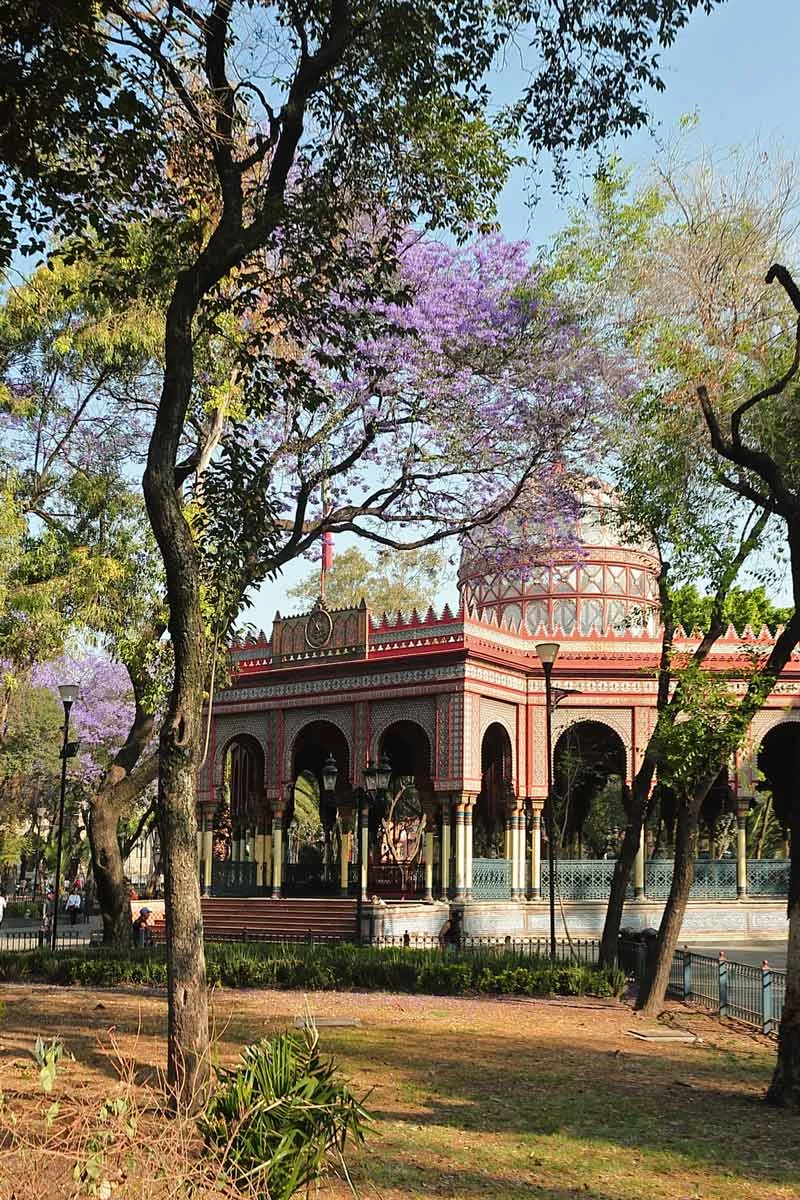
Santa María La Ribera Mexico City CDMX Curated Map - Kiosko Morisco. Photo by © Kiko Kairuz 2024.
Kiosko Morisco

santa maría la ribera

“THE PORFIRIAN JEWEL.”

Founded in the late 19th century as the city’s first planned suburb, Santa María la Ribera is a time capsule of elegance and bohemian soul. Its wide streets are a gallery of Porfirian mansions and architectural relics that whisper stories of a grand past, now reimagined by a new wave of local creatives.

THE EXPERIENCE: 
It is the city’s most authentic “barrio” experience—where the majestic heritage of the 1900s meets a grassroots cultural pulse. It’s a neighborhood that doesn’t try to be cool; it simply is.

THE INSIDER TIP: 
Walk to the Kiosco Morisco at the center of the Alameda. This intricate, iron-wrought masterpiece—originally built for a World’s Fair—is the most photogenic and exotic landmark in the northern city.

KIOSKO MORISCO
MUSEO DE GEOLOGÍA UNAM
MUSEO DEL CHOPO


Santa María La Ribera Ciudad de México CDMX. Fotografía por © Kiko Kairuz 2024.

kiosko morisco

“THE MOORISH MASTERPIECE.”

An intricate iron-wrought marvel, the Kiosco Morisco is a kaleidoscopic explosion of Mudéjar design. Originally built as Mexico’s pavilion for the 1884 World’s Fair, this portable palace of red, blue, and gold has become the soul of Santa María la Ribera and its most legendary landmark.

THE EXPERIENCE: 
Standing beneath its geometric arches is a journey through a dream of Islamic art and Porfirian grandeur—a rare, exotic escape in the heart of the northern city.

THE INSIDER TIP: 
Look for the star-shaped patterns in the ceiling. When the sun is high, the light filters through the structure, creating a surreal, symmetrical dance of shadows that is a dream for architectural photographers.
kiosko morisco

Located in the heart of the neighborhood park, the kiosk is a meeting point for the community, hosting cultural events, concerts, and outdoor activities that celebrate the diversity and dynamism of the area.

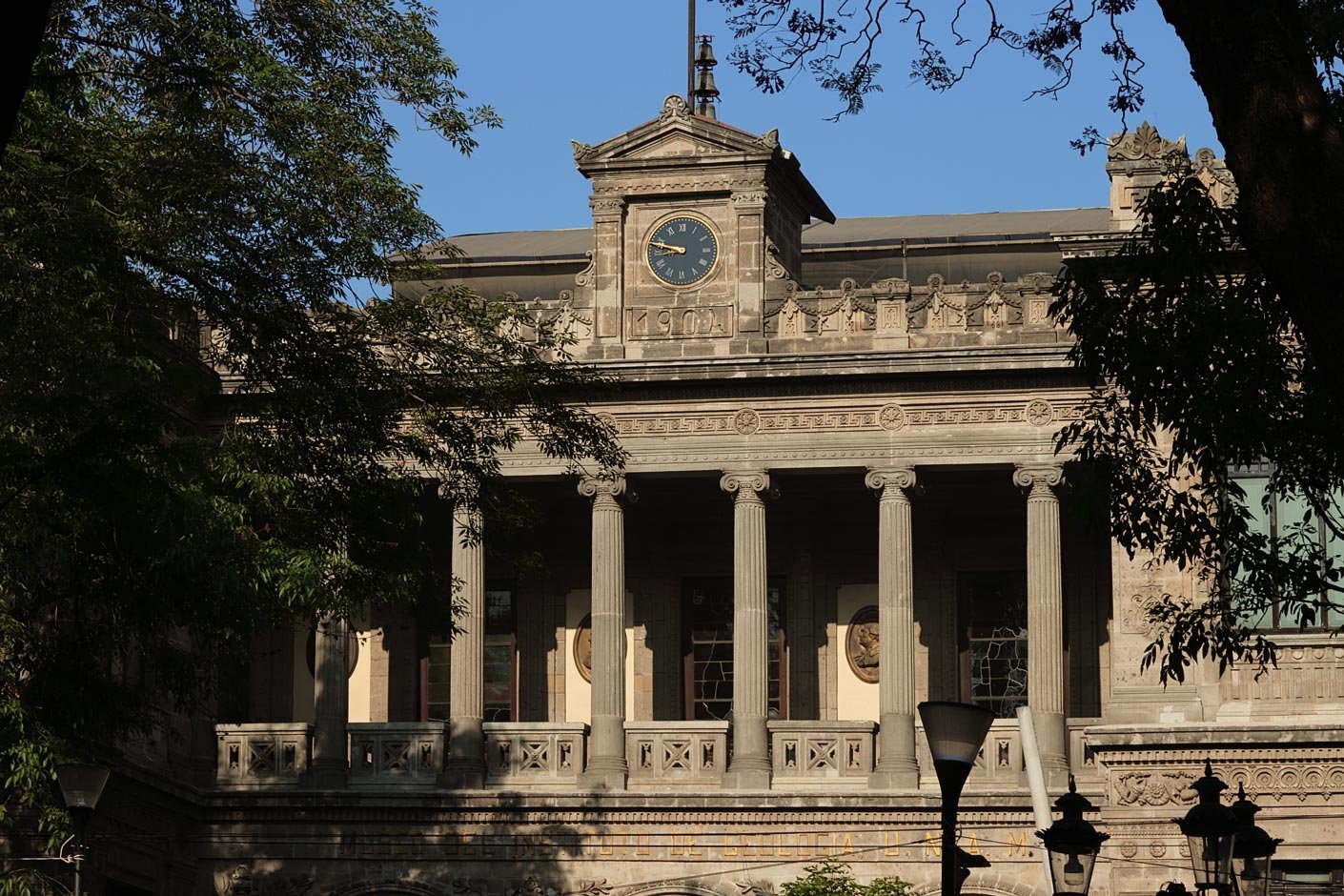
IMG 5029 museo de geologia unam

MUSEO DE GEOLOGÍA

“THE PALACE OF EARTH.”

Housed in a 1906 neoclassical gem, the Geology Museum is a high-altitude sanctuary of natural history. From towering mammoth skeletons to rare minerals, this UNAM masterpiece is a breathtaking “cabinet of wonders” that froze the Porfirian era’s scientific elegance in stone and stained glass.

THE MASTERPIECE: 
Look for the mammoth skeleton in the central hall—a monumental sentinel of Mexico’s ancient past.

THE INSIDER TIP: 
Don’t miss the stained glass windows and the monumental iron staircase. They are some of the most intricate and photogenic “hidden” architectural details in the entire city, offering a quiet, regal atmosphere for photography lovers.
MUSEO DE GEOLOGÍA

The majestic Porfirian building that houses the Museum of Geology is located in the center of the Santa María La Ribera neighborhood. Its staircase and facade are an invitation to explore an institution also known as the Palace of Earth Sciences.

HOURS: TUESDAY TO SUNDAY 10 AM – 5 PM

CLOSED: MONDAY

ADMISSION General admission $40 MXN

MUSEO DEL CHOPO

“THE CRYSTAL UNDERGROUND.”

Housed in a breathtaking Art Nouveau iron palace imported from Germany in 1902, El Chopo is Mexico City’s legendary sanctuary for the avant-garde. It is a soaring glass-and-steel cathedral dedicated to alternative culture, where contemporary art meets the raw energy of the underground. 

THE EXPERIENCE: 
Beyond its massive windows, it is a living laboratory for visual arts, music, and performance—a place where the city’s creative rebellion has found its home for decades. 

THE INSIDER TIP: 
Look for the monumental towers. These iron sentinels are the neighborhood’s most iconic skyline, and the way the light filters through the glass roof at sunset creates a surreal, cinematic atmosphere that is an absolute dream for photographers.

MUSEO DE L CHOPO

The building is a unique gem of early 20th-century industrial architecture.

It was designed in Germany in 1902 by architect Bruno Möhring to be the Art and Industry Pavilion in Düsseldorf.

It was later dismantled, transported, and reassembled in Mexico in 1905.

HOURS: WEDNESDAY TO SUNDAY 11:30 AM – 6 PM

ADMISSION: WEDNESDAY TO SUNDAY General admission $40 MXN WEDNESDAY Free admission – Open to all

Roma Norte, Mexico City. Photograph by © Kiko Kairuz.
Parque Rio de Janeiro

la roma

“THE CREATIVE HEART.”

Divided into North and South, La Roma is the city’s definitive sanctuary of bohemian luxury. It is a cinematic landscape of French-inspired mansions and tree-lined boulevards, where 19th-century elegance meets the world’s most avant-garde culinary and artistic pulse.

THE EXPERIENCE: 
This is where the city’s electric energy softens into a refined, cosmopolitan flow. From hidden speakeasies to sun-drenched terraces, the neighborhood is a living gallery of design, heritage, and high-end street life.

THE INSIDER TIP: 
Walk along Calle Colima. It is the street-level DNA of the neighborhood, filled with independent concept stores, contemporary art galleries, and the city’s most stylish sidewalk cafés—the perfect “runway” for the modern explorer.

PLAZA RIO DE JANEIRO
FUENTE DE CIBELES
MERCADO MEDELLÍN
PLAZA LUIS CABRERA
AVE ÁLVARO OBREGÓN
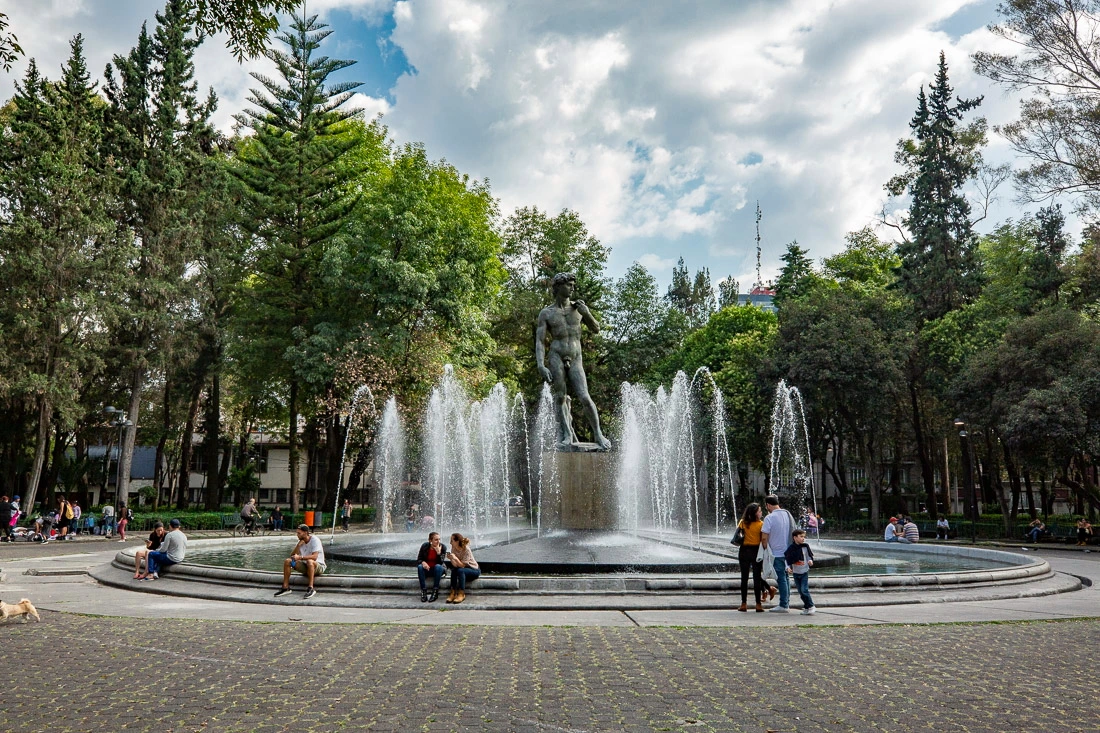

Plaza Rio de Janeiro, La Roma CDMX, mapa de Ciudad de México. Fotografía por © Kiko Kairuz.

PLAZA RÍO DE JANEIRO

“THE ROMAN FORUM.”

An exquisite 19th-century masterpiece, Plaza Río de Janeiro is the city’s most sophisticated open-air gallery. Anchored by a bronze replica of Michelangelo’s David, this leafy sanctuary is framed by the neighborhood’s most legendary Porfirian mansions and Art Deco icons.

THE EXPERIENCE: 
It is a place of quiet luxury—a tranquil, high-design retreat where the city’s creative elite meets for a slow coffee or a stroll under a canopy of century-old trees.

THE INSIDER TIP: 
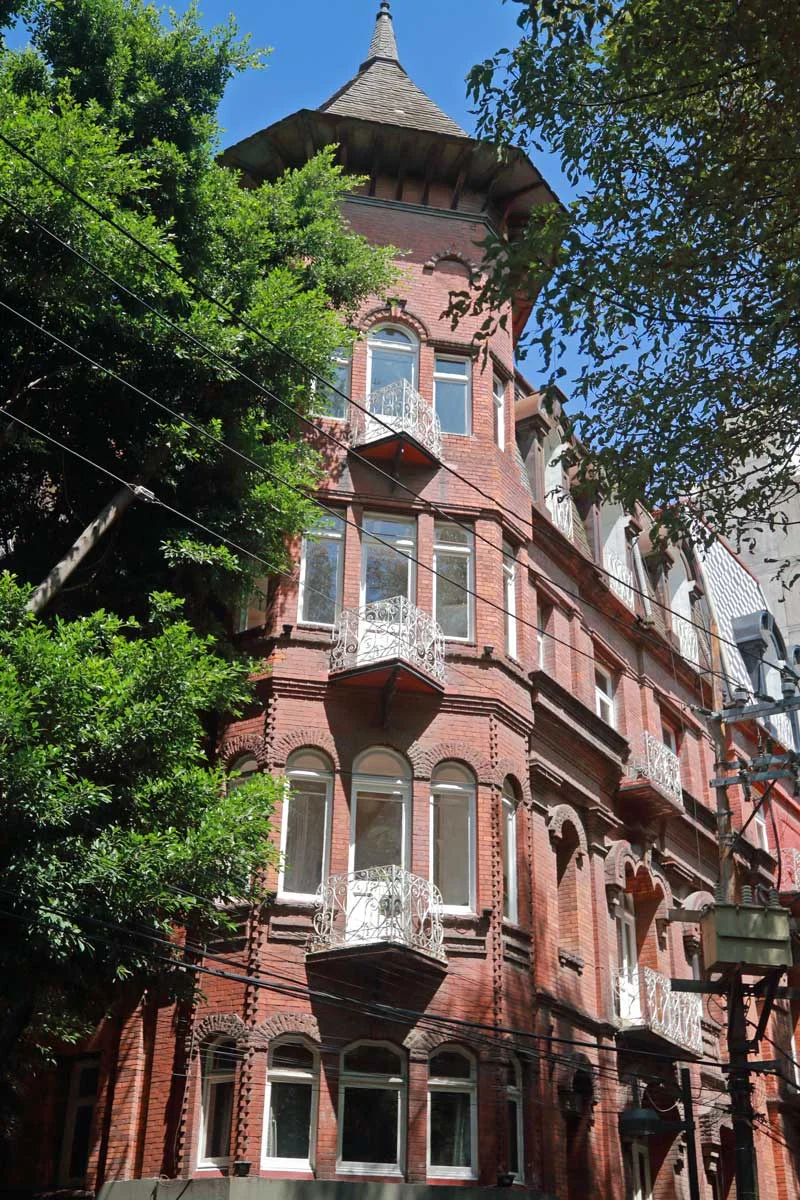
Look for the “Edificio de las Brujas” (Witches’ House) on the east corner. It’s hauntingly beautiful, red-brick gothic architecture—with a roof that looks like a witch’s hat—is the most legendary and photogenic “story” in the entire Roma.
PLAZA RÍO DE JANEIRO

The center of the plaza is dominated by a replica of Michelangelo’s famous sculpture of David, giving it an artistic and distinctive touch.

Around it and in the nearby streets, you’ll find cafes, restaurants, and bars to enjoy the bohemian atmosphere that characterizes Roma.

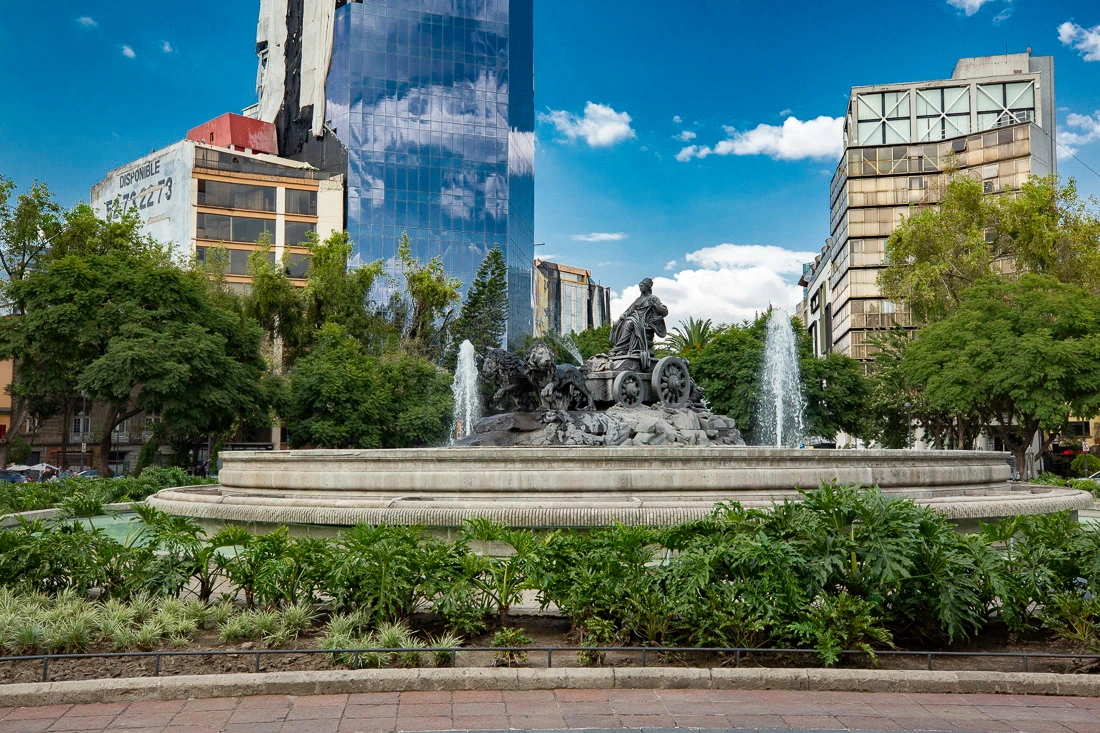
Fuente Cibeles, La Roma CDMX, Ciudad de México. Fotografía por © Kiko Kairuz.

fuente de cibeles

“THE MADRID CONNECTION”

A sophisticated crossroads of history and high-end leisure, the Fuente de Cibeles is the city’s definitive open-air lounge. This faithful replica of Madrid’s legendary fountain is the anchor of a high-energy district where Porfirian architecture meets the city’s most avant-garde culinary and social pulse.

THE EXPERIENCE: 
It is the ultimate “see and be seen” spot. Surrounded by sun-drenched terraces, specialty coffee shops, and independent boutiques, the plaza vibrates with a refined, cosmopolitan energy that is 100% CDMX.

THE INSIDER TIP: 
Visit during the “Golden Hour” (atardecer). The way the sunlight hits the fountain’s bronze while the surrounding bistro lights begin to glow creates the most elegant and “European” atmosphere in the entire neighborhood.
la fuente
de cibeles

Among the highlights are the terraces and outdoor spaces where you can have a coffee, enjoy a brunch or dinner, as well as bars with innovative cocktails and craft beers. Additionally, the avenues surrounding the roundabout, such as Oaxaca, Durango, and Medellín, offer tree-lined streets ideal for strolling and exploring more of the Roma neighborhood. The area is also the scene of occasional cultural activities, such as outdoor exhibitions or fairs.

MERCADO MEDELLÍN

“THE TROPICAL PULSE”

A vibrant, cross-border explosion of flavor, the Medellín Market is the city’s definitive sanctuary for Latin American soul. Since the 1960s, it has evolved into a high-energy crossroads where the aromas of Cuban coffee, Colombian arepas, and Venezuelan spices create an electric, multicultural rhythm in the heart of La Roma.

THE EXPERIENCE: 
It is a sensory journey beyond borders. From exotic tropical fruits to artisan Caribbean delis, the market offers a raw and authentic “insider” glimpse into the diverse spirit of the continent.

THE INSIDER TIP: 
Look for the fresh juice stalls and the famous Cuban ice cream. Grabbing a mamey or soursop cone while wandering the colorful aisles is the ultimate weekend ritual for the neighborhood’s creative elite.

mercado medellín

It is a place where you can breathe a warm and authentic atmosphere, full of flavors, colors, and traditions from all over Latin America.

This market offers a wide variety of fresh products, from exotic fruits and aromatic spices to unique crafts.
Visitors can delight in traditional dishes such as arepas, ceviches, and delicious Caribbean desserts, each prepared with authenticity and passion.

This market offers a wide variety of fresh products, from exotic fruits and aromatic spices to unique crafts. Visitors can delight in traditional dishes such as arepas, ceviches, and delicious Caribbean desserts, each prepared with authenticity and passion.

HOURS: MONDAY TO SUNDAY 8 AM – 6 PM

plaza cabrera

“THE LITERARY SANCTUARY”

A masterclass in urban intimacy, Plaza Luis Cabrera is the city’s most sophisticated pocket of peace. This leafy refuge, framed by iconic Porfirian facades, is the definitive setting for those who master the art of the slow afternoon amidst the electric pulse of La Roma.

THE EXPERIENCE: 
It is a sensory retreat of fountains and century-old trees. Surrounded by world-class specialty coffee shops and sun-drenched terraces, the plaza vibrates with a refined, bohemian energy that feels like a private garden for the city’s creative elite.

THE INSIDER TIP: 
This is the writer’s corner. Bring a book or a notebook; the mix of the fountain’s white noise and the neighborhood’s high-design atmosphere makes it the ultimate “quiet luxury” escape for deep thinkers and observers.

plaza
cabrera

Plaza Cabrera reflects the artistic and cultural spirit of the Roma neighborhood, being a perfect space to enjoy a coffee, read a book, or simply observe the daily life of one of the most vibrant neighborhoods in Mexico City.

AVE ÁLVARO OBREGÓN

“THE BOHEMIAN BOULEVARD.”

The architectural spine of La Roma, Avenida Álvaro Obregón, is a majestic, tree-lined promenade where Porfirian grandeur meets the city’s most avant-garde pulse. Its wide central median, dotted with bronze sculptures and stone fountains, is the definitive stage for the capital’s artistic and culinary elite.

THE EXPERIENCE:
It is a vibrant gallery of street life. From century-old mansions transformed into high-design concept stores to the most innovative sidewalk terraces, the avenue vibrates with a refined, cosmopolitan energy that is 100% CDMX.

THE INSIDER TIP: 
Walk the central median (camellón) at night. The soft glow of the vintage lamp posts against the silhouettes of the statues creates a cinematic, “Old World” atmosphere that is arguably the most romantic stroll in the city.

AVE ÁLVARO OBREGÓN

Along the avenue, there are numerous restaurants, cafes, bars, and art galleries that offer a rich cultural life. Its architecture is a mix of Porfirian and Art Deco styles, which adds a historical and charming touch.

Additionally, on weekends, it is common to find temporary markets of art, books, and antiques that reinforce its creative spirit.

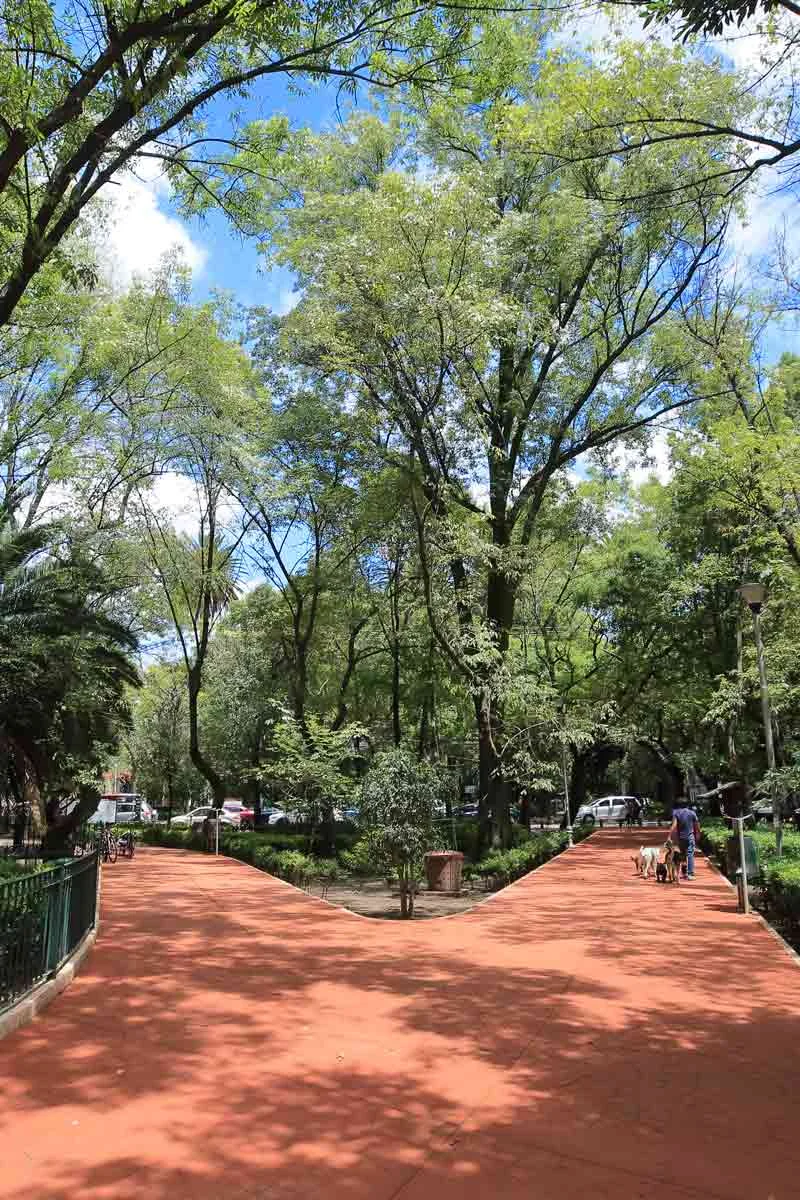
Parque Mexico, La Condesa - Hipódromo, Mexico City. Photograph by © Kiko Kairuz
Parque México walking trail.

la condesa

“THE ART DECO OASIS”

Born from the curves of an old racing track, La Condesa is the city’s definitive sanctuary of bohemian luxury. It is a world of leafy boulevards and Art Deco masterpieces, where the rhythm of the city slows down under the shade of Parque México and the iconic, circular Avenida Amsterdam.

THE INSIDER TIP: 
Walk the Amsterdam circuit at the “blue hour” (just after sunset). The mix of glowing Art Deco facades, lush greenery, and the scent of fresh coffee from sidewalk bistros is the ultimate Condesa mood.

CALLE ÁMSTERDAM
PARQUE MÉXICO
CLL ALFONSO REYES
PARQUE ESPAÑA
AVENIDA MAZATLÁN


Parque Mexico, La Condesa - Hipódromo, Ciudad de México. Fotografía por © Kiko Kairuz

PARQUE MÉXICO

“THE ART DÉCO SANCTUARY.”

More than a park, Parque México is the architectural heart of the Condesa. Designed with a breathtaking Art Déco soul, its winding paths and tropical flora create a sophisticated stage for the city’s most iconic morning walks and sunset rituals.

THE EXPERIENCE: 
It is a sensory masterpiece of fountains, open-air sculptures, and the famous Lindbergh Forum. Here, the city’s creative energy meets a relaxed, pet-friendly vibe that is 100% CDMX.

THE INSIDER TIP: 
Find the duck pond near the Michoacán entrance. It’s the park’s most serene “hidden” corner, perfect for a quiet coffee while surrounded by the neighborhood’s historic architecture.
PARQUE MÉXICO

Its abundant vegetation, with tall trees and gardens, makes it an oasis within the city.

It is also a vibrant place, popular among families, runners, cyclists, and dog walkers, ideal for enjoying outdoor activities or simply relaxing surrounded by nature and art.

Sundays are full of life, with talented musicians, artists, and entrepreneurs.

ÁMSTERDAM STREET

“THE INFINITE LOOP”

A masterpiece of urban design, Avenida Ámsterdam is a lush, oval circuit that follows the ghost of an old racing track. This tree-lined sanctuary is the city’s most iconic promenade, where Art Deco architecture and tropical greenery create a seamless, 360-degree journey.

THE EXPERIENCE: 
Its central pedestrian path is the true heart of the Condesa—a place where the morning mist meets joggers, and the evening glow lights up the city’s most charming sidewalk cafés.

THE INSIDER TIP: 
Look for the Art Deco clock towers and hidden fountains scattered along the loop. They are the neighborhood’s “secret” landmarks, perfect for capturing the timeless elegance of this historic circuit.

CALLE ÁMSTERDAM

Along Ámsterdam, there are cafes, restaurants, boutiques, and galleries, making it a lively spot.

It is known for its tranquil atmosphere, ideal for walking and discovering new commercial and gastronomic offerings that add charm to the Condesa neighborhood.

parque españa

“THE URBAN BRIDGE.”

Inaugurated in 1921, Parque España is the lush, high-energy lungs connecting the Condesa and Roma districts. More than just a park, it is a botanical sanctuary of century-old trees and winding paths where the city’s creative pulse meets a serene, timeless atmosphere.

THE EXPERIENCE: 
It is the ultimate neighborhood crossroads—a place to witness the city’s effortless style while enjoying a coffee or a stroll under its massive, tropical canopy.

THE INSIDER TIP: 
Look for the monumental abstract sculpture dedicated to Lázaro Cárdenas. Its bold, geometric lines offer a perfect modernist contrast to the surrounding 1920s architecture, making it a favorite for architectural photographers.

parque españa

Among its attractions are a central fountain, sculptures, and playgrounds. It is also common to see runners, dog walkers, and people enjoying a moment of rest under the shade of its trees. Its proximity to Parque México and its connection to the emblematic streets Sonora and Nuevo León make it an ideal and strategic meeting point within this vibrant neighborhood.

alfonso reyes st.

“THE LEAFY SANCTUARY”

More than a street, this is a lesson in urban intimacy. A place where the city’s electric pulse softens under a dense canopy of trees, blending Porfirian elegance with a modern, bohemian soul. It is the definitive setting for those who master the art of the slow morning.

THE EXPERIENCE: 
From sun-drenched brunch terraces to boutique bookstores that invite you to disappear, every corner is a curated discovery. It’s a street that doesn’t just connect places; it defines a mood.

THE INSIDER TIP: 
Look for the Art Deco doorways. Many of these residential entrances are hidden architectural gems with intricate ironwork and mosaic floors—the perfect quiet detail for an authentic city snapshot.

Alfonso reyes ST.

Additionally, its architecture and the details in the buildings give it a unique touch, as if you were walking through the city’s history.

Dedicated to the writer and diplomat Alfonso Reyes, nominated for the Nobel Prize in Literature five times, it is ideal for enjoying a walk along its central path, discovering magical places, and connecting with the bohemian and relaxed spirit that makes Condesa so special.

MAZATLÁN avenue

“THE GREEN TUNNEL”

Avenida Mazatlán is a masterpiece of urban landscaping—a lush, high-altitude boulevard where a wide pedestrian path disappears under a spectacular canopy of ancient trees. It is the city’s most serene promenade, where sunlight filters through the leaves to create a golden, cathedral-like atmosphere.

THE EXPERIENCE: 
Walking Mazatlán is the ultimate insider ritual. It’s a rhythmic journey past historic mansions and quiet sidewalk bistros, offering a rare sense of peace in the heart of the metropolis.

THE INSIDER TIP: 
Look for the Art Deco apartment buildings along the edge. Their geometric balconies peeking through the “green tunnel” offer one of the most elegant and photogenic contrasts in the entire Condesa.

AVENIDA MAZATLÁN

Every corner has something special: lively cafes, restaurants with creative dishes, and Art Deco buildings that tell stories of the past.

Start your walk along Avenida Mazatlán at Alfonso Reyes Street and end at the Fuente de Cibeles in La Roma.

Chapultepec Park, Section 1. Mexico City.
Museo del Sitio. Chapultepec Park.

chapultepec PARK

“THE CONTINENTAL LUNG”

Chapultepec is to Mexico City what Central Park is to New York—but older, larger, and layered with history. This massive high-altitude sanctuary is the city’s majestic heart, serving as a strategic green bridge that seamlessly connects the modern luxury of Polanco with the bohemian soul of Condesa and Roma.

THE INSIDER TIP: 
Look for the “Audiorama” hidden near the castle. It’s a secret outdoor lounge with classical music and benches carved into the rock—the ultimate “quiet luxury” escape within the trees.

CASTILLO DE CHAPULTEPEC
MUSEO DE ANTROPOLOGÍA
MAM – MUSEO
MUSEO TAMAYO
ZOOLÓGICO
JARDÍN BOTÁNICO
LOS PINOS


CDMX Cured map, castillo de chapultepec. Photo @ Kiko. Kairuz

CASTILLO DE CHAPULTEPEC

“THE ROYAL PALACE”

Perched atop Chapultepec Hill, this majestic fortress is a living record of power. Originally a sacred Mexica site, it evolved into the only royal castle in the Americas. From imperial palace to presidential home, its neoclassical walls have guarded the nation’s deepest secrets for centuries.

THE MASTERPIECE:
Today, it stands as the National History Museum, where colonial opulence meets the revolutionary spirit in a breathtaking high-altitude setting.

THE INSIDER TIP: 
Walk to the Black Forest balcony. It offers the most iconic, panoramic view of Paseo de la Reforma—the perfect spot to see the city’s past and future collide.

CASTILLODE CHAPULTEPEC

Today, it is the National Museum of History, featuring exhibitions of artifacts, paintings, and furniture from Mexico’s viceregal period to the Revolution.

It particularly tells the surreal story of Maximilian and Carlota, who were once emperors of Mexico, and their counterparts, President Benito Juárez and Margarita Maza, the defenders of the Republic.

Its architecture, details, gardens, and panoramic views make it an essential and fundamental site on the map of Mexico City.

HOURS: TUESDAY TO SUNDAY 9 AM – 5 PM

CLOSED: MONDAY

ADMISSION TUESDAY TO SUNDAY General admission $95 MXN SUNDAYS Free admission for residents.

Anthropology Museum of Mexico City, Reforma Avenue, Polanco District, Mexico City - CDMX. Photo by © Kiko Kairuz 2024.

MUSEO DE ANTROPOLOGÍA

“THE SOUL OF MEXICO.”

A world-class architectural marvel, this is more than a museum—it is the definitive sanctuary of Mesoamerican civilization. From the colossal Olmec heads to the legendary Aztec Sun Stone, it houses the profound DNA of a nation in a space where water, stone, and history meet.

THE EXPERIENCE: 
Designed by the visionary Pedro Ramírez Vázquez, its 1964 modernist structure is a masterpiece of light and scale, dedicated to the living legacy of the Mexica, Maya, and Olmec cultures.

THE INSIDER TIP: 
Stand beneath “El Paraguas” (The Umbrella) in the central courtyard. This monumental fountain is one of the world’s largest suspended structures and creates a surreal, misty atmosphere that is the hallmark of the museum’s design.
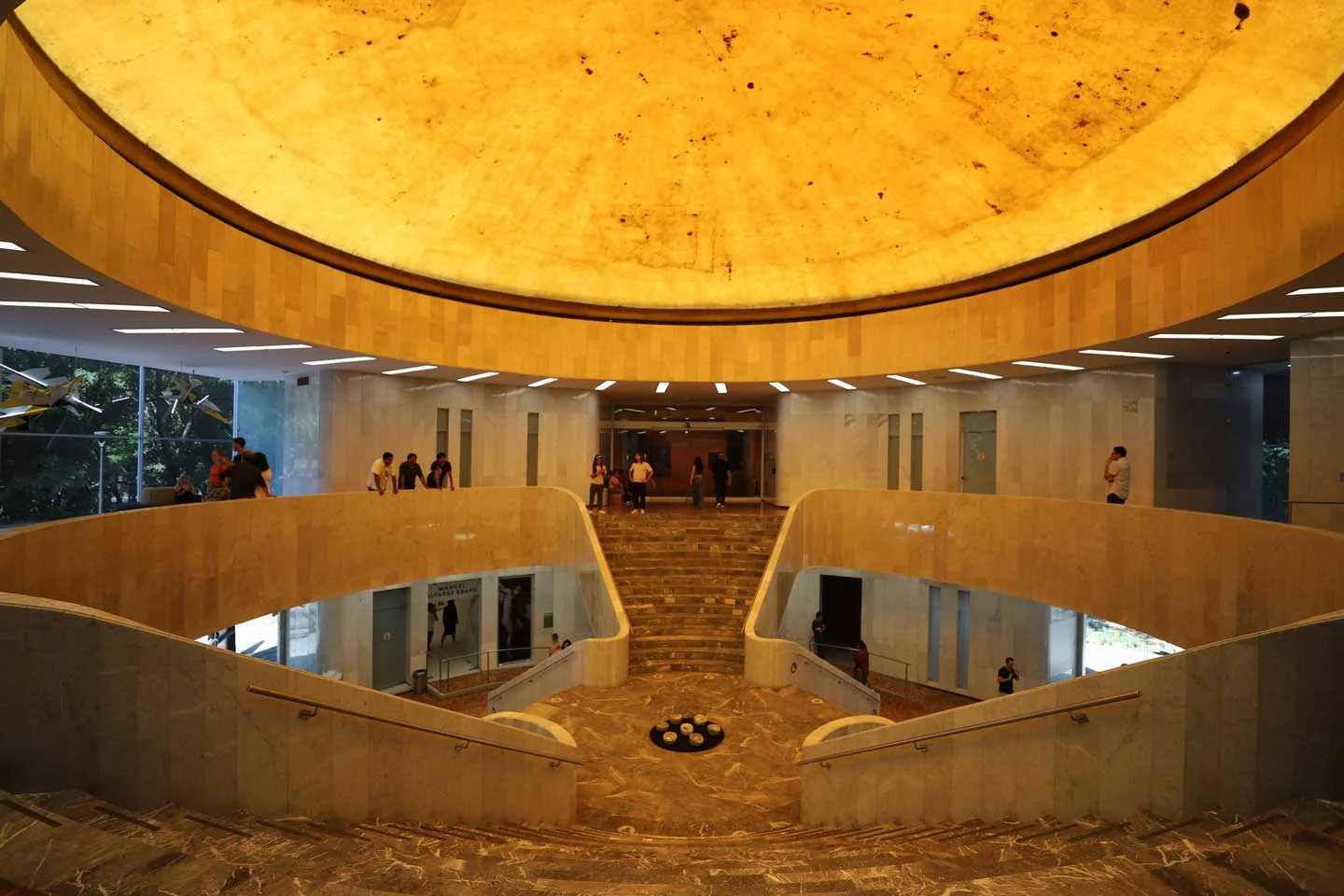
MUSEO DE ANTROPOLOGÍA

THIS PLACE IS A FAVORITE ON THE MAP OF MEXICO CITY AND A MUST-VISIT FOR VISITORS FROM AROUND THE WORLD.

HOURS: TUESDAY TO SUNDAY 9 AM – 6 PM

CLOSED: MONDAY

ADMISSION TUESDAY TO SUNDAY General admission $95 MXN SUNDAYS Free admission for residents.

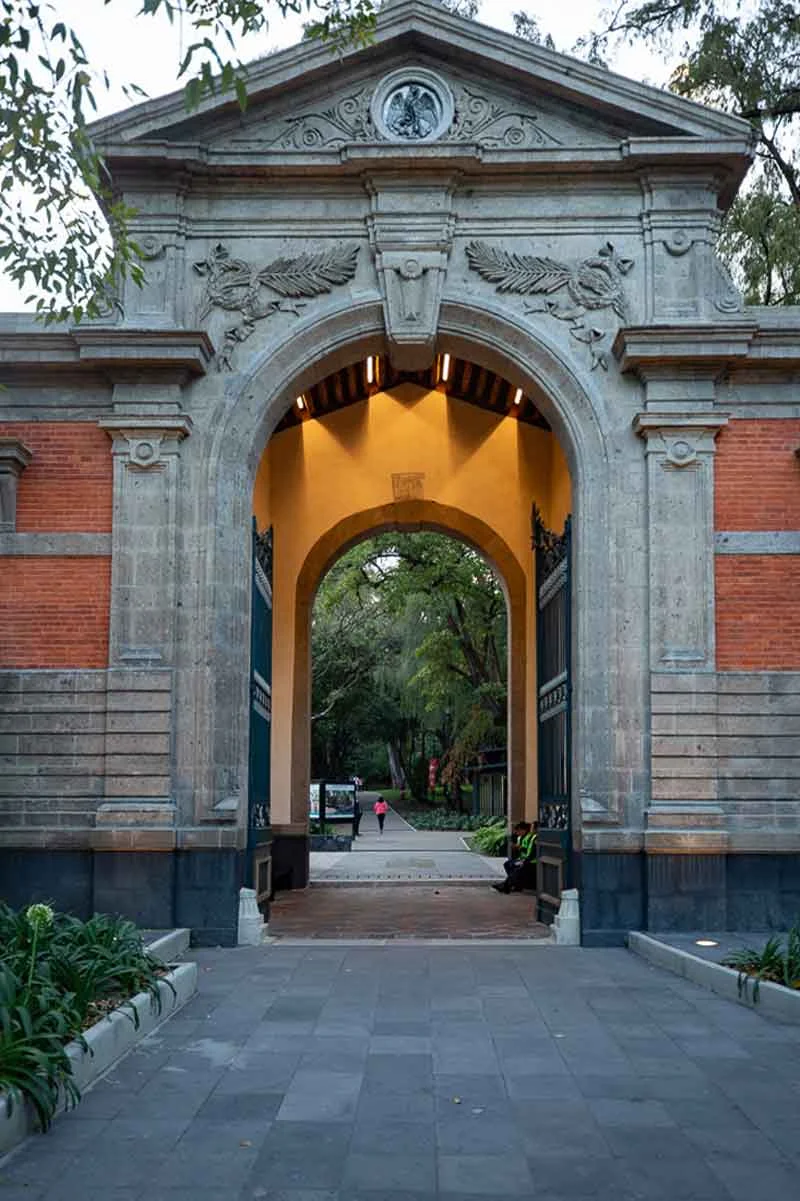
Entrada del edificio del Museo de Arte Moderno MAM, Ciudad de México. Foto por © Kiko Kairuz 2024.

MAM

“THE MODERNIST JEWEL.”

Nestled in the heart of Chapultepec Forest, this organic masterpiece from 1964 is a sanctuary for the avant-garde. It’s a space where mid-century architecture meets the boldest strokes of 20th and 21st-century Mexican art.

THE MASTERPIECE:
This is the sacred home of “The Two Fridas”, Frida Kahlo’s most profound and iconic dual self-portrait—a definitive stop on any cultural roadmap.

THE INSIDER TIP: 
Don’t skip the Sculpture Garden. It’s one of the most serene walks in the city, where bronze masterpieces blend seamlessly with the lush greenery of the forest.
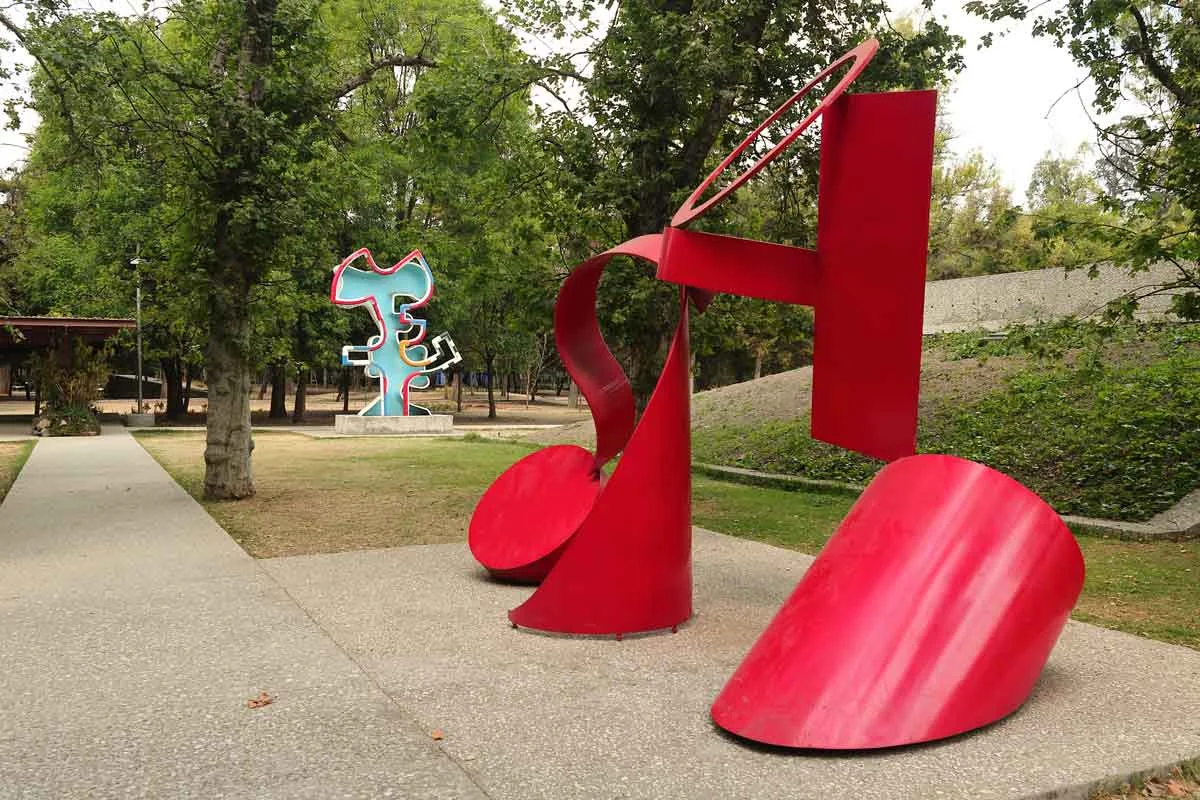
mam

The MAM focuses on promoting modern art through permanent and temporary exhibitions, as well as educational and cultural activities.

Don’t miss the outdoor gardens with spectacular sculptures.

HOURS: TUESDAY TO SUNDAY 10:15 AM – 5:45 PM

CLOSED: MONDAY

ADMISSION TUESDAY TO SATURDAY General admission $90 MXN SUNDAYS Free admission for residents.

Museo Tamaño, Museo de arte Contemporáneo. Ciudad de México. Foto por © Kiko Kairuz 2024.

museo tamayo

“THE BRUTALIST ICON.”

A concrete masterpiece rising from the forest, the Tamayo Museum is Mexico’s premier window into global contemporary art. Founded by the legendary Rufino Tamayo, its bold architecture and world-class exhibitions make it the definitive crossroads for international design and avant-garde thought.

THE EXPERIENCE: 
Beyond the galleries, the building itself—designed by Teodoro González de León—is a lesson in light and texture, seamlessly merging with the surrounding Chapultepec greenery.

THE INSIDER TIP: 
Visit the museum’s terrace café. It is widely considered one of the most stylish spots in the city to enjoy a coffee while overlooking the forest—a favorite ritual for the city’s creative elite.
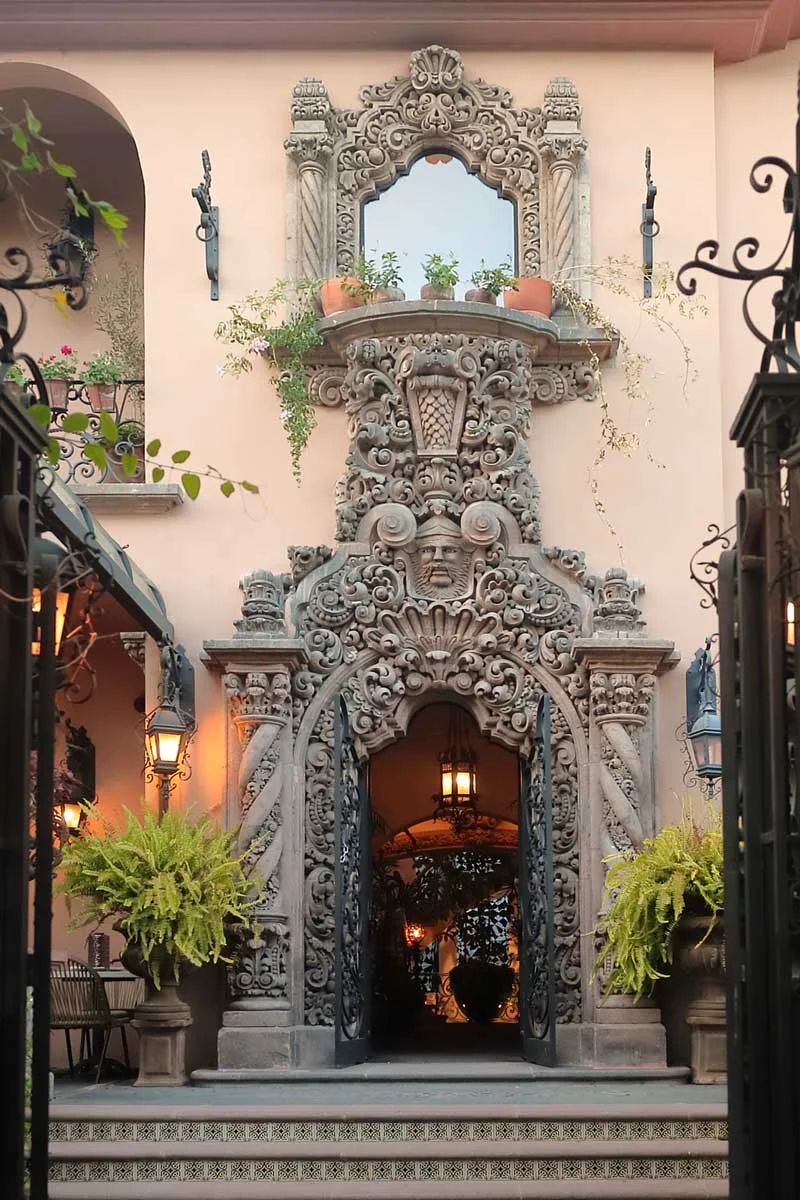
MUSEO TAMAYO

The building stands out for its modern architecture that harmoniously integrates with the park’s natural surroundings.

Inside, the museum exhibits works by Mexican and international artists, offering a fresh and avant-garde look at contemporary art.

In addition to its permanent collection, the Museo Tamayo is known for its temporary exhibitions, which feature innovative and experimental works by emerging artists.

HOURS: TUESDAY TO SUNDAY 10 AM – 6 PM

CLOSED: MONDAY

ADMISSION TUESDAY TO SUNDAY General admission $90 MXN SUNDAYS Free admission for residents.

ZOO

“THE CENTURY-OLD SANCTUARY.”

Founded in 1924, Chapultepec Zoo is a historic pillar of wildlife conservation in the heart of the city. More than a park, it is a vital sanctuary dedicated to the protection of global and endemic species—including the iconic Mexican wolf and the legendary giant pandas.

THE EXPERIENCE: 
A century of history meets a commitment to the future. Walking its leafy paths is a journey through the world’s ecosystems, all while staying within the serene embrace of the Chapultepec Forest.

THE INSIDER TIP: 
Don’t miss the Axolotlarium (Anfibium). It is a world-class space dedicated to the Ajolote, Mexico’s most mysterious and beloved water deity. It’s a masterclass in modern conservation and design.

ZOOLÓGICO

The zoo is famous for its design that recreates the natural habitats of the animals and for featuring iconic species such as the giant panda, the Mexican wolf, the axolotl, and the California condor.

It also focuses on conservation and breeding programs for endangered species.

HOURS: TUESDAY TO SUNDAY 9 AM – 4:30 PM

CLOSED: MONDAY
ADMISSION TUESDAY TO SUNDAY General admission $0 MXN

jardín botánico

“THE BOTANICAL SANCTUARY.”

A living mosaic of Mexico’s rich biodiversity, the Chapultepec Botanical Garden is a high-altitude oasis of serenity. From dramatic desert cacti to ancient medicinal species, this curated landscape is a masterclass in nature, offering a peaceful retreat just steps away from the city’s electric pulse.

THE EXPERIENCE: 
It is a sensory journey where the scents of wild orchids meet the structural beauty of endemic trees—the perfect spot for a slow, mindful walk.

THE INSIDER TIP: 
Don’t miss the Orchidarium. Housed in a stunning 19th-century-style greenhouse, it is one of the most photogenic and tranquil “hidden gems” in the entire forest.

jardín botánico

With tranquil paths, ponds, and corners designed for contemplation, the garden is perfect for a break among plants from all over the Mexican republic.

More than a place of exhibition, it is a key point for fostering a connection with nature and environmental awareness in the heart of the city.

HOURS: TUESDAY TO SUNDAY 9 AM – 4:30 PM

CLOSED: MONDAY

ADMISSION TUESDAY TO SUNDAY General admission $0 MXN

centro cultural los pinos

“THE FORBIDDEN PALACE UNVEILED.”

For eight decades, Los Pinos was the secretive and opulent fortress of Mexico’s presidents. Today, this massive estate has been transformed into a vibrant cultural park, inviting you to walk through the once-hidden mansions, bunkers, and lush gardens that defined the nation’s modern history.

THE EXPERIENCE: 
It is a rare glimpse into the private life of power. From 1940s modernist villas to grand presidential halls, the complex offers a fascinating architectural journey through 20th-century Mexico.

THE INSIDER TIP: 
Look for the Walkway of the Presidents. It features life-sized bronze statues of every leader who lived here, offering a surreal and cinematic backdrop for an iconic Mexico City photo.

los pinos

In this complex, visitors can stroll through its extensive gardens, walk along tree-lined paths, and explore the buildings that were once the home of the presidents.

Highlights include spaces such as the Casa Miguel Alemán, with its modernist design, and the Casa Lázaro Cárdenas, which houses exhibitions with fascinating historical photographs and cultural activities.

Additionally, the complex hosts various artistic displays, crafts, workshops, concerts, film screenings, and literary events.

HOURS: TUESDAY TO SUNDAY 10 AM – 6 PM

CLOSED: MONDAY

ADMISSION TUESDAY TO SATURDAY General admission $0 MXN SUNDAYS Free admission for all

Polanco District Mexico City, photo by © Kiko Kairuz 2024
Ornamental door. Polanco district.

polanco district

“THE COSMOPOLITAN PEAK”

Where high-end luxury meets architectural brilliance, Polanco is the city’s definitive district for the global elite. From the tree-lined glamour of Avenida Masaryk to its world-class culinary scene, this is a neighborhood defined by prestige and a refined, international pulse.

THE INSIDER TIP: 
Walk along Calle Molière toward the “Carso Circle.” It offers the most dramatic urban perspective, where the futuristic skyline meets the lush greenery of the surrounding avenues—the ultimate “New Mexico City” photo.

MUSEO SOUMAYA
JUMEX – MUSEO
PARQUE LINCOLN
AVENIDA MASARYK
CALLE MOLIÈRE


Museo Soumaya precio gratuito, Ciudad de México. Fotografía por © Kiko Kairuz 2024

museo soumaya

Wrapped in 16,000 hexagonal aluminum tiles, the Soumaya Museum is more than an architectural masterpiece; it is a profound tribute from Carlos Slim to the memory of his late wife, Soumaya Domit. A TRUE LOVE STORY.

This avant-garde landmark houses one of the world’s most significant private collections as a gift of world-class culture to the city.

THE MASTERPIECE:
Ascend to the top floor to find the largest collection of Auguste Rodin sculptures outside of France, displayed under a breathtaking natural skylight.

THE INSIDER TIP: 
Admission is free for everyone, every day, reflecting the family’s vision of making art accessible to all.

museo soumaya

It is located in Plaza Carso in the Polanco neighborhood, one of the best spots in the city and a favorite on the map of Mexico City.

HOURS: MONDAY TO SUNDAY 10:30 AM – 6:30 PM

CLOSED: MONDAY

ADMISSION General admission $0.00 MXN Free admission for everyone

Museo Jumex Costos de entrada

jumex

Designed by the legendary David Chipperfield, the Jumex Museum is a masterpiece of minimalist architecture. With its iconic sawtooth roof, it stands as the premier platform for the world’s most provocative and innovative contemporary art in Latin America.

THE INSIDER TIP:
Head to the outdoor terrace on the first floor. It offers a unique, framed perspective of the metallic Soumaya Museum next door—the perfect architectural “dialogue” for your city photos.
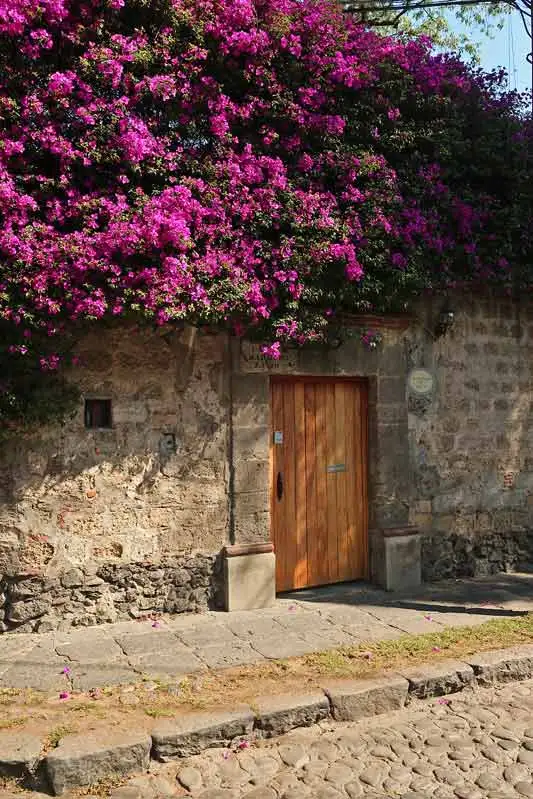
jumex

HOURS: TUESDAY – FRIDAY: 10 AM – 5 PM SATURDAY: 10 AM – 7 PM SUNDAY: 10 AM – 5 PM

CLOSED: MONDAY

ADMISSION: General admission $0.00 MXN Free admission for everyone

parque lincoln

“THE COSMOPOLITAN SQUARE.”

In the heart of Polanco’s luxury hotel district, Parque Lincoln is the city’s most sophisticated meeting point. It is a refined urban oasis of manicured gardens and modernist statues, where the international elite and local tastemakers converge under the shade of ancient trees.

THE EXPERIENCE:
It is the ultimate “see and be seen” spot. Surrounded by world-class dining and high-end boutiques, the park offers a rare, tranquil elegance that feels like a slice of Europe in the middle of Mexico.

THE INSIDER TIP:
Find the model boat ponds. On weekends, enthusiasts sail miniature yachts across the water—a charming, decades-old Polanco tradition that is as photogenic as it is timeless.

parque lincoln

The park features tree-lined paths, fountains, and iconic sculptures, such as the Torre del Reloj and the Abraham Lincoln monument, from which it gets its name.

It also has a reflecting pool with benches for resting. But its real charm lies in the variety of restaurants and bars that surround it, known as “Polanquito,” one of the most bustling, cosmopolitan, and vibrant areas of CDMX.

avenida masaryk

“THE GOLDEN MILE.”

Avenida Presidente Masaryk is the definitive epicenter of Latin American luxury. This sun-drenched boulevard is a high-fashion stage where global couture meets avant-garde architecture, housing the world’s most prestigious flagship stores and Michelin-pedigree dining.

THE EXPERIENCE: 
It is a masterclass in cosmopolitan elegance. From the shimmering displays of legendary jewelers to the refined pulse of its sidewalk terraces, Masaryk is where the city’s elite and international tastemakers converge.

THE INSIDER TIP: 
Walk the section between Molière and Aristóteles. This is the “Heart of the Mile,” where the window displays become true works of installation art, and the street-level energy feels most like a global fashion capital.

avenida masaryk

In addition to its commercial offerings, Masaryk thrives with its cosmopolitan atmosphere, wide walkable streets, and characteristic urban design that blends modernity and tradition, like the famous Polanco passage.

It is a favorite spot for those looking to enjoy shopping, top-notch cuisine, and the vibrant lifestyle of this bustling neighborhood.

Molière street

“THE FASHION CANYON.”

Calle Molière is the architectural spine of modern Polanco. Anchored by the city’s most iconic, yellow-tiled luxury department store (El Palacio de Hierro), it is a high-octane boulevard where global flagship stores and avant-garde design meet.

THE EXPERIENCE: 
This is where the city’s scale feels truly international. As you walk toward the “Carso Circle,” the street opens up into a futuristic landscape of glass, steel, and high-fashion windows.

THE INSIDER TIP: 
Look for the main entrance of “El Palacio”. Its Art Deco-inspired facade is a masterpiece of retail architecture and the perfect backdrop for a high-fashion city portrait.

calle Molière

The street is named after Jean-Baptiste Poquelin Molière, a famous 17th-century French playwright and actor, and is characterized by its modern architecture, as well as its trees and eclectic spaces that make it ideal for walks and strolls within one of the city’s most commercial areas, where you can find plazas such as Palacio de Hierro, Antara, and Millana.

San Ángel CDMX, Ciudad de México
Calle de la Amargura

san ángel

“THE COLONIAL SANCTUARY.”

Once a sacred flower-producing village, San Ángel remains the city’s most sophisticated time capsule. It is a world of cobblestone labyrinths, hidden bougainvillea gardens, and 17th-century mansions that whisper stories of an era when the elite sought refuge in its high-altitude peace.

THE EXPERIENCE: 
It is a masterclass in colonial elegance and bohemian soul. Here, the legendary Sábado de las Flores meets a refined cultural pulse of art galleries and historic plazas, offering a serene, village-like rhythm inside the electric city.

THE INSIDER TIP: 
Look for the hidden courtyards behind the heavy wooden doors. Many have been transformed into exclusive design boutiques and specialty coffee spots—the ultimate “quiet luxury” discovery in the south.

PLAZA SAN JACINTO
PARROQUIA SAN JACINTO
PLAZA LORETO
MUSEO SOUMAYA SUR
MUSEO EL CARMEN
MUACMUSEO
CIUDAD UNIVERSITARIA


plaza san jacinto

“THE ARTIST’S SQUARE”

The beating heart of San Ángel, Plaza San Jacinto, is a masterpiece of colonial charm and bohemian luxury. Framed by 17th-century mansions and sun-drenched gardens, this cobblestone sanctuary is the city’s definitive stage for world-class folk art and contemporary design.

THE EXPERIENCE: 
It is a sensory celebration of history and creativity. On weekends, the plaza transforms into the legendary Bazar Sábado, a vibrant open-air gallery where Mexico’s finest artisans and painters showcase their soul in a high-energy, sophisticated atmosphere.

THE INSIDER TIP: 
Look for the hidden courtyards in the colonial buildings surrounding the square. Many house exclusive boutiques and “secret” restaurants where you can enjoy a quiet tequila while surrounded by centuries of carved stone.
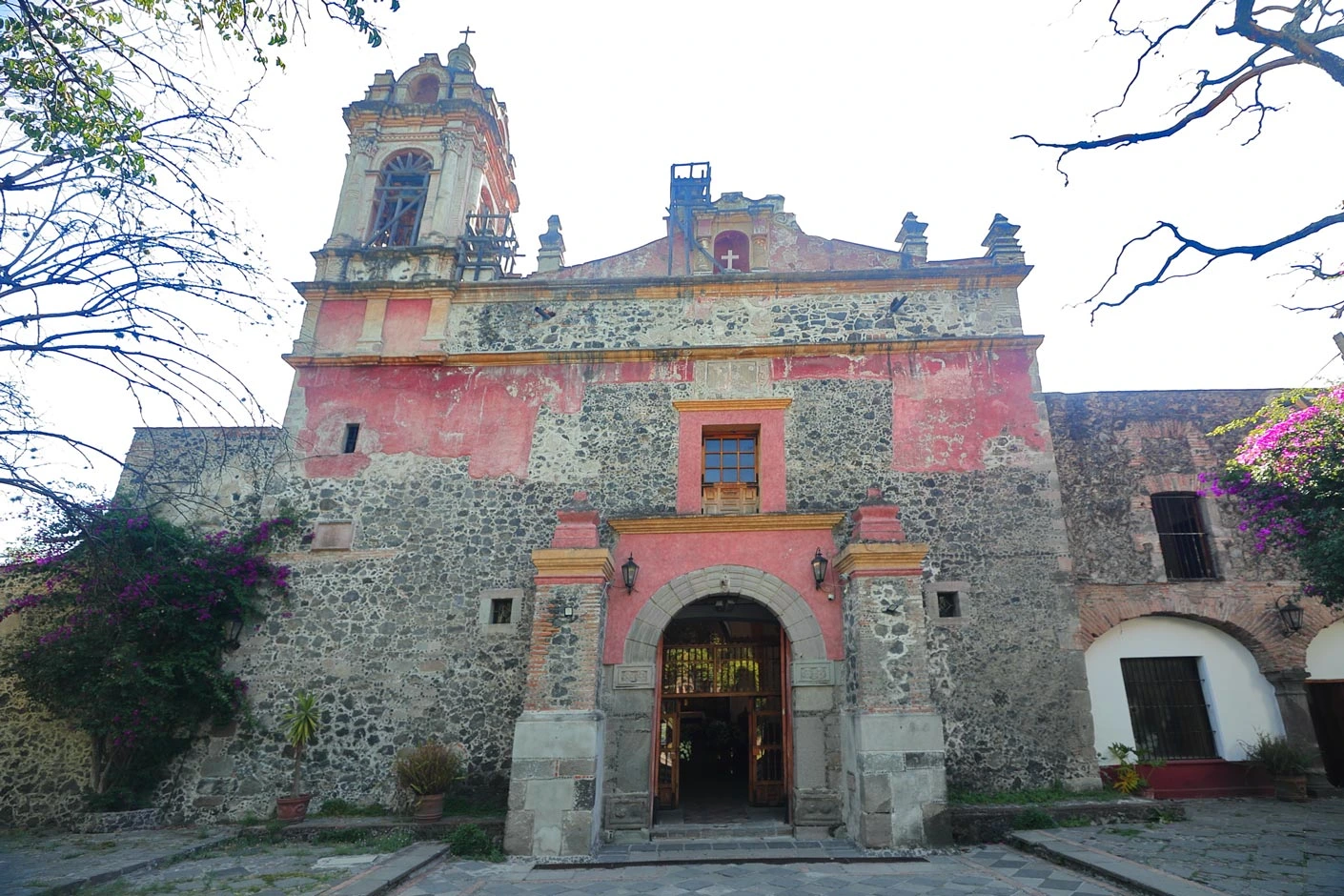
plaza san jacinto

Plaza de San Jacinto and Plaza del Carmen, famous for the “Saturday Market” – and also Sunday, is an artisan market where local artists exhibit and sell their creations.

Around the park, there are cozy cafes, restaurants, and art galleries that bring the spaces to life.

IMG 3069 parroquia san jacinto

parroquia san jacinto

“THE DOMINICAN SANCTUARY.”

A 16th-century fortress of faith, San Jacinto is one of the oldest and most serene landmarks in Mexico City. Built by Dominican friars, this colonial masterpiece is a study in contrast: a rugged, stone facade that opens into a golden interior of Baroque altarpieces and sacred art.

THE EXPERIENCE: 
Beyond the nave lies a legendary monastic garden. It is a high-altitude oasis of ancient trees and bougainvillea, where the city’s electric pulse disappears into a profound, 500-year-old silence.

THE INSIDER TIP: 
Look for the “Cruz Atrial” (Atrium Cross) in the garden. Carved by indigenous hands shortly after the conquest, it is a rare and hauntingly beautiful fusion of Spanish Catholicism and Aztec symbolism.
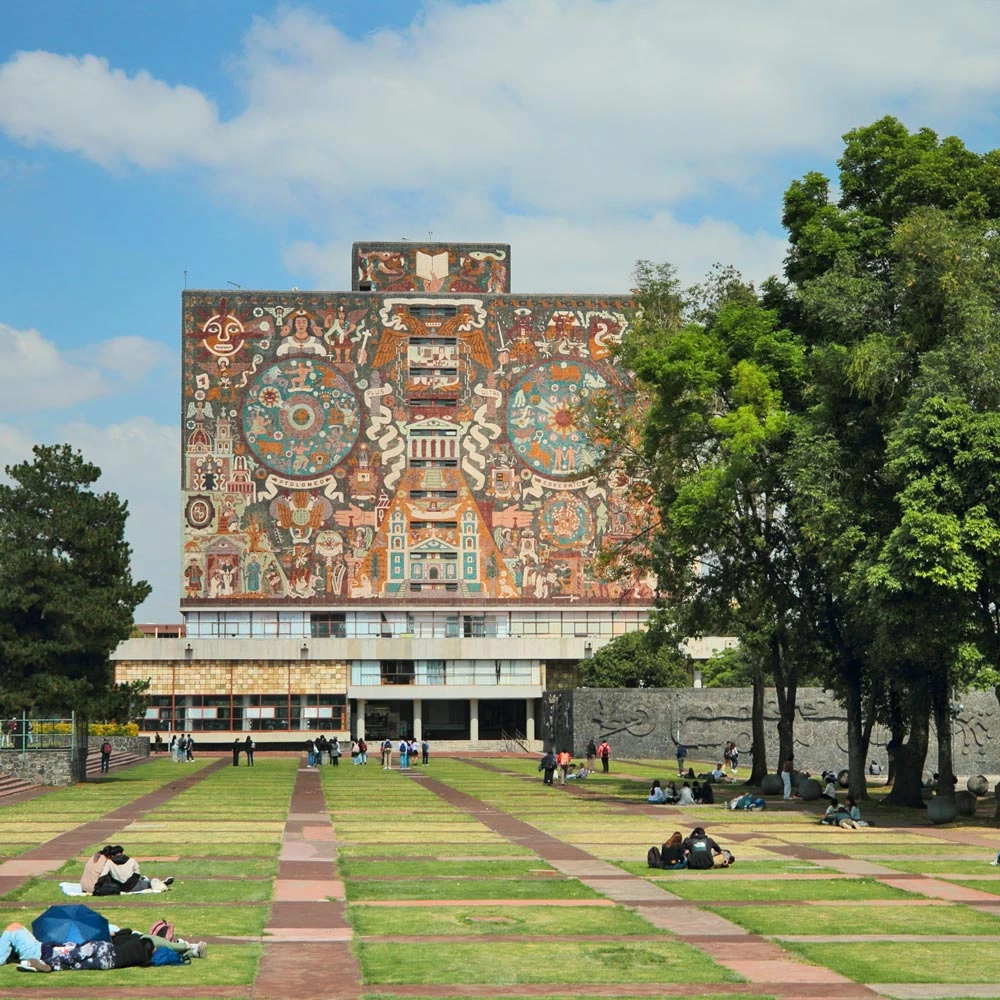
parroquia san jacinto

Surrounded by gardens and green areas, this church is not only a place of worship but also a cultural symbol of San Ángel. The beautiful gardens that surround the chapel complement its serene and spiritual atmosphere, attracting both the faithful and visitors interested in its history and architecture.

Moreover, the parish is a favorite for weddings and baptisms, so come by and you might witness the religious culture of San Ángel in action.

PLAZA LORETO

“THE INDUSTRIAL ARCHIVE”

A masterclass in urban transformation, Plaza Loreto is a high-design lifestyle center built within the majestic red-brick bones of a 19th-century paper factory. It is a vibrant crossroads where the city’s industrial heritage meets a refined world of fashion, open-air dining, and contemporary culture.

THE EXPERIENCE: 
It is a sensory journey through history. Beyond its premier boutiques and restaurants, the complex houses the original Soumaya Museum—a world-class art sanctuary tucked away in the serene atmosphere of the south.

THE INSIDER TIP: 
Look for the original factory machinery and water features scattered throughout the courtyards. They are the “secret” industrial monuments that turn a shopping afternoon into a walk through Mexico’s modern evolution.

PLAZA LORETO

Plaza Loreto hosts the Soumaya Museum Plaza Loreto, promoted by the Carlos Slim Foundation.

This museum features collections of Mexican and European art, including works by Auguste Rodin.

This space not only stands out for its commercial offerings but also for its commitment to historical and cultural preservation, serving as a brilliant example of urban revitalization in Mexico City.

museo soumaya sur

“THE ART SANCTUARY.”

Hidden within the red-brick soul of a 19th-century paper factory, this was the birthplace of the Soumaya vision. As the first venue of the Carlos Slim Foundation, it remains a serene, world-class gallery dedicated to making the world’s most profound masterpieces accessible to all.

THE EXPERIENCE:
It is a rare architectural dialogue between industrial heritage and high art. Walking through its colonial-industrial halls feels like discovering a private, high-altitude vault of European and Mexican history.

THE INSIDER TIP: 
Look for the Rodin sculptures in this smaller, more quiet setting. The lack of crowds allows for a deeply personal and silent encounter with the bronze—a “slow art” experience that you simply won’t find at its metallic counterpart in Polanco.

museo soumaya sur

The museum houses seven exhibition halls with a rich collection of Venetian art, as well as works from the 19th and 20th centuries.

You can find sculptures by Auguste Rodin, and paintings by Salvador Dalí, Diego Rivera, and Rufino Tamayo.

In addition to its pictorial collection, the museum holds an architectural collection, a fabulous series of historical photographs of Mexico City, numismatics, and other historical objects.

Also, check out its “im-pres-sive” cinematic collection, which includes cameras and lenses, projectors, photos of famous Mexican actors, and other fascinating elements of film history.

HOURS: MONDAY TO SUNDAY 10:30 AM – 6:30 PM

ADMISSION General admission $0.00 MXN Free admission for everyone

MUSEO EL CARMEN

“THE SILENT CLOISTER.”

A 17th-century masterpiece of Discalced Carmelite austerity, El Carmen is a profound journey into Mexico’s colonial soul. Beyond its massive stone walls and blooming orchards, this former convent stands as a hauntingly beautiful sanctuary of peace, art, and high-altitude mysticism.

THE EXPERIENCE: 
It is a sensory retreat through history. From its vibrant, talavera-tiled domes to the serene gravity of its monastic cells, the museum preserves the raw, spiritual energy of a world that refused to change.

THE INSIDER TIP: 
Descend into the Cripta de las Momias. It is one of the city’s most legendary and “hidden” sights, where naturally preserved mummies tell a silent, centuries-old story—

MUSEO EL CARMEN

The museum preserves original areas of the convent, such as the cloister, chapel, monks’ cells, and gardens, allowing visitors to imagine monastic life during the colonial period.

Its permanent collection includes sacred art with paintings, sculptures, liturgical furniture, and religious objects from the 17th and 18th centuries, featuring works by important Novohispanic artists.

One of its most unique attractions is the exhibition of mummified Discalced Carmelite friars, found in the convent’s crypts in excellent condition. Additionally, the museum has historical gardens that reflect the spirituality of the Carmelite order.

The Museo de El Carmen also offers temporary art, history, and cultural exhibitions, and hosts cultural activities such as concerts, workshops, and guided tours.

This space is not only a testament to religious life during the colonial period but also a place that preserves and celebrates the history and art of Mexico, making it a must-visit destination for those visiting San Ángel.

HOURS: WEDNESDAY TO FRIDAY 11 AM – 3 PM
SATURDAY AND SUNDAY 10 AM – 3 PM

ADMISSION General admission $80 MXN

muac

“THE CONCRETE AVANT-GARDE”

A radical masterpiece of glass and light designed by the visionary Teodoro González de León, the MUAC is Mexico’s premier laboratory for contemporary thought. Located within the UNAM’s Olympic City—a UNESCO World Heritage site—its minimalist edge offers a high-octane dialogue between provocative art and brutalist architecture.

THE EXPERIENCE: 
It is the first space in the nation built from the ground up to challenge the senses. Its vast, light-drenched galleries are designed not just to exhibit art, but to immerse you in the electric pulse of the global avant-garde.

THE INSIDER TIP: 
Don’t miss the “Espacio Escultórico” nearby. This massive, circular volcanic rock formation is a surrealist landscape of cosmic proportions and one of the city’s most powerful, high-altitude architectural secrets.

MUAC

The museum has an extensive collection of national and international contemporary art, ranging from the second half of the 20th century to the present day.

Here you will find painting, sculpture, video art, photography, installations, and performance art.
In addition to its permanent collection, the MUAC is famous for its temporary exhibitions of both emerging and established artists, and its commitment to social, political, and cultural issues.

The MUAC also houses a Documentation Center dedicated to the research of contemporary art. It offers workshops, conferences, guided tours, and educational programs for all types of audiences, fostering dialogue and reflection on art and society.

This museum is a reference point in the Mexican cultural scene, attracting experts and art lovers interested in the most innovative expressions of our time.

HOURS: WEDNESDAY TO SUNDAY 11 AM – 6 PM

ADMISSION General admission $80.00 MXN SUNDAYS 50% DISCOUNT

Ciudad universitaria UNAM, mapa de ciudad de méxico

ciudad universitaria

“THE MODERNIST UTOPIA.”

A soaring masterpiece of 20th-century design, Ciudad Universitaria (CU) is more than a campus—it is a UNESCO World Heritage site where art, science, and nature collide. Built upon a volcanic landscape, this monumental complex is a living gallery of Mexico’s revolutionary spirit and architectural avant-garde.

THE EXPERIENCE:
It is a high-altitude journey through the “Integrated Plastic” movement. Here, massive volcanic stone structures meet the city’s most iconic murals, creating a rhythmic dialogue between ancient roots and futuristic vision.

THE INSIDER TIP: 
Look for the Central Library. Its four-sided mosaic facade by Juan O’Gorman is the world’s largest mural of its kind, telling the story of Mexico through millions of naturally colored stones—the ultimate “visual soul” of the university.
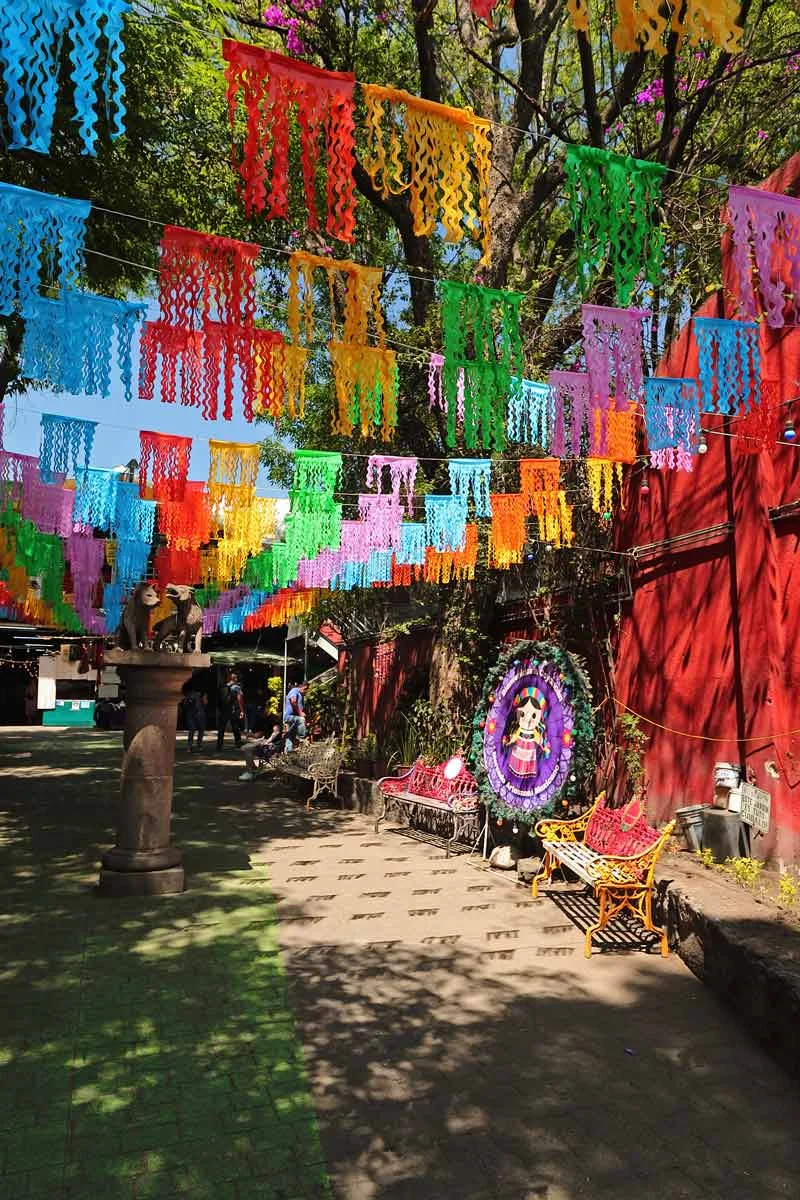
ciudad universitaria unam

In 2007, it was declared a World Heritage Site by UNESCO, standing out for its architectural and urban design that blends modernity with Mexican tradition, surrounded by green areas and unique volcanic landscapes.

Among CU’s attractions are architectural jewels such as the Central Library, whose mural by Juan O’Gorman narrates the history of Mexico, and the Olympic University Stadium, adorned with an impressive relief mural by Diego Rivera.

The Espacio Escultórico also stands out, a monumental integration of contemporary art and nature. For art lovers, the MUAC (Museo Universitario Arte Contemporáneo) offers a rich collection of modern art, while the University Cultural Center houses theaters, cinemas, galleries, and the renowned Sala Nezahualcóyotl, known for its acoustics and home to classical music concerts.
CU is not just an academic epicenter but also a cultural and architectural destination that invites exploration of Mexico’s historical and artistic richness.

The campus offers guided tours detailing its history, design, and cultural contributions, as well as ample open spaces perfect for recreational activities.
Ciudad Universitaria is a favorite spot on the map of Mexico City. A place that combines education, culture, and natural beauty, attracting visitors from all over the world.

Coyoacán CDMX, Ciudad de México
Bazar Artesanal Mexicano

coyoacán

“THE BOHEMIAN SOUL.”

Once a pre-Hispanic village, Coyoacán is the city’s most legendary sanctuary of art and independent thought. This is the world of Frida Kahlo, a poetic landscape of cobblestone streets and vibrant colonial mansions where the 16th-century past meets the electric, creative pulse of the present.

THE EXPERIENCE: 
It is a sensory journey through Mexico’s DNA. From the historic Jardín Hidalgo to its bustling artisan markets, the neighborhood vibrates with an “Old World” charm, fueled by the aroma of fresh churros and the quiet luxury of its hidden plazas.

THE INSIDER TIP: 
Explore Callejón del Aguacate. Beyond the main plazas, this narrow, mysterious stone alley is the neighborhood’s most atmospheric “hidden” walk—a masterclass in colonial architecture and local legends.

PLAZA JARDÍN CENTENARIO
MUSEO FRIDA KAHLO
PARROQUIA SAN JUAN
MUSEO DE LA ACUARELA
MUSEO DE CULTURA POPULAR
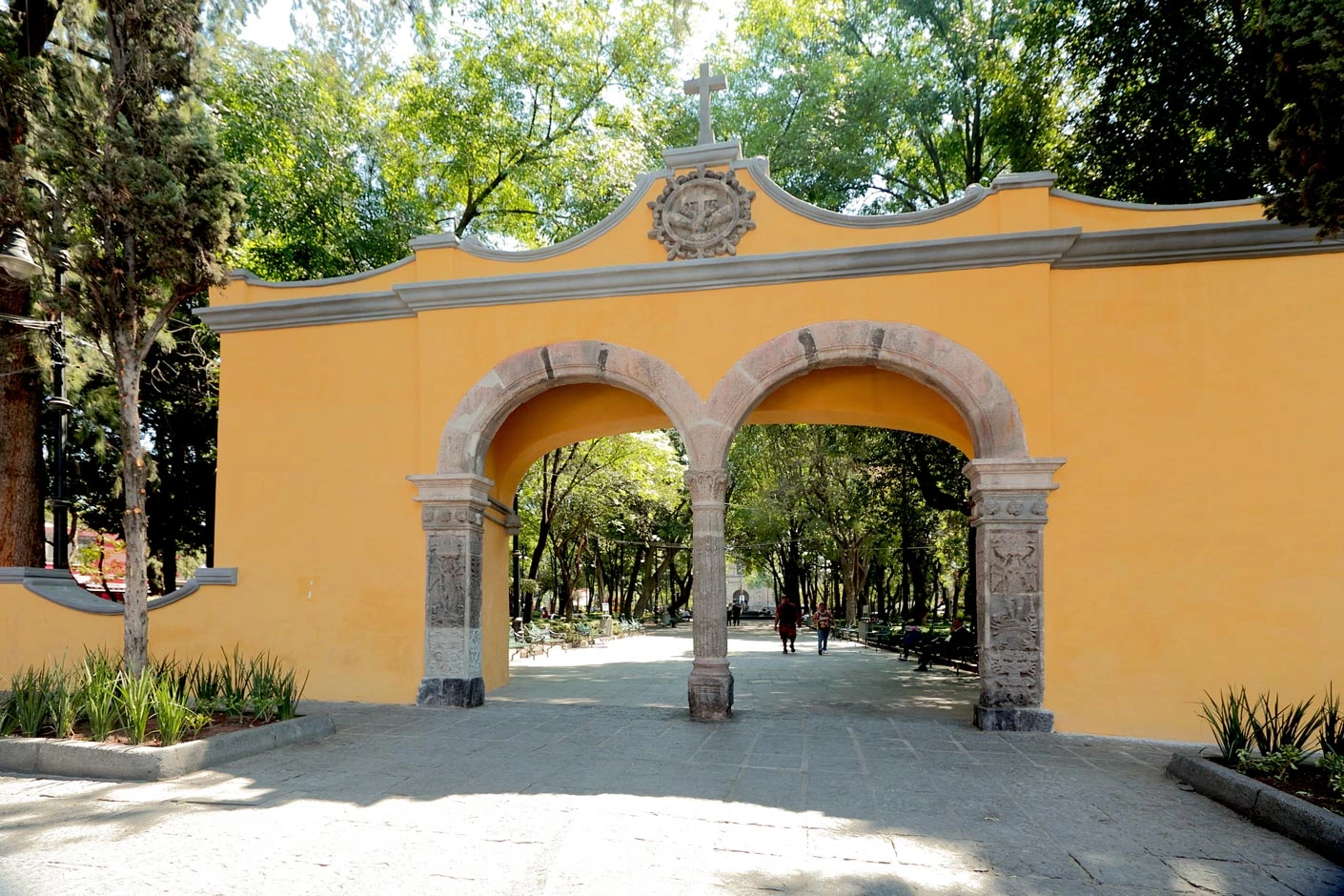


plaza jardín centenario

“THE DOUBLE HEART.”

Comprising Jardín Hidalgo and Jardín Centenario, these twin plazas are the electric epicenter of Coyoacán’s soul. Framed by 16th-century arcades and centennial trees, this is the definitive stage where the city’s colonial past meets its most vibrant, festive, and intellectual present.

THE EXPERIENCE: 
It is a sensory explosion of “Old Mexico.” From the iconic Coyote Fountain to the aroma of street-side churros and café de olla, the plazas offer a unique, high-energy atmosphere that has inspired artists and thinkers for centuries.

THE INSIDER TIP: 
Look for the Parroquia de San Juan Bautista. Its interior is a hidden Baroque masterpiece of gold and carved wood—one of the most ornate and serene “secrets” that most visitors only see from the outside.
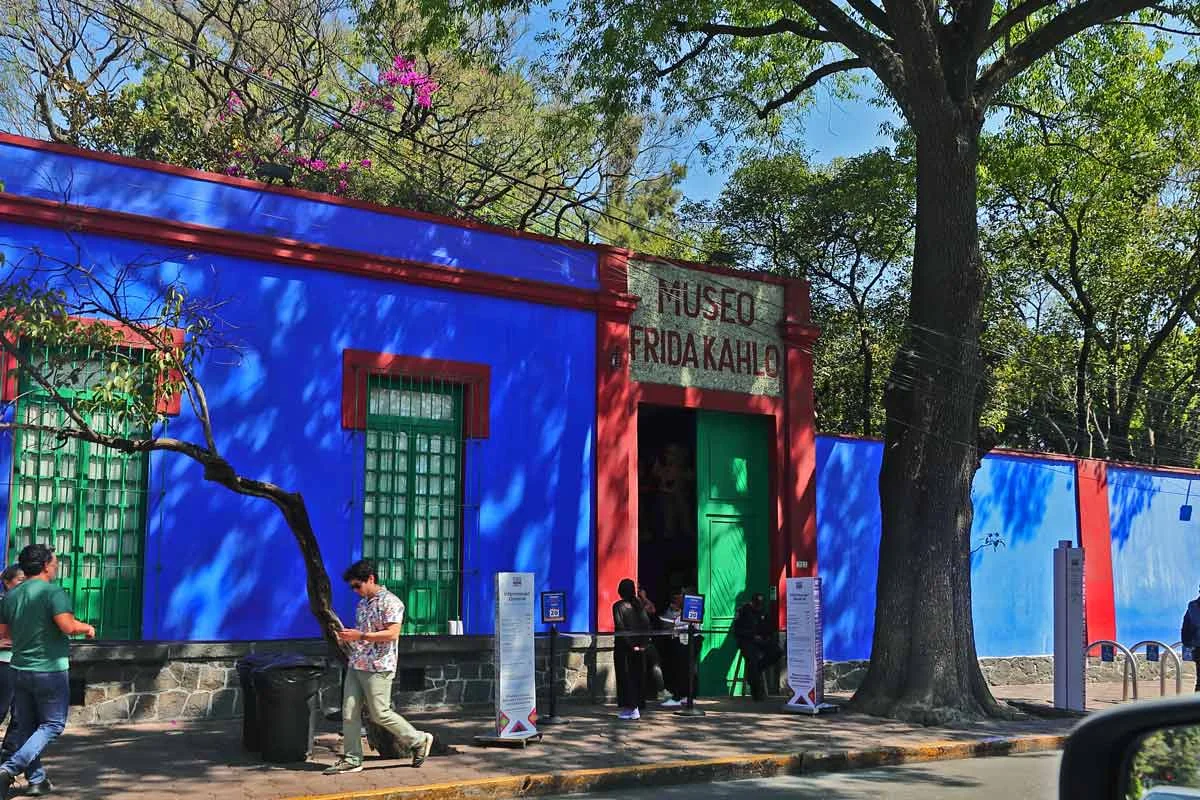
jardín centenario

In the center of Jardín Centenario Park stands the iconic Coyote Fountain, historic buildings, benches, and paths shaded by ancient trees.

Meanwhile, Plaza Jardín Hidalgo, right next to the San Juan Bautista parish, fascinates with its popular energy, colorful colonial buildings, and the kiosk at the center of the plaza.

Frida Kahlo Pinturas- Ciudad de México. Fotografía por © Kiko Kairuz 2024.

museo frida kahlo

“THE INDIGO SANCTUARY.”

Beyond its legendary cobalt-blue walls, La Casa Azul is the most intimate threshold into the universe of Frida Kahlo. This historic residence in the heart of Coyoacán is more than a museum; it is a sacred space where the colors, the pain, and the revolutionary spirit of Mexico’s most iconic artist remain frozen in time.

THE EXPERIENCE:
It is a profound, domestic journey through Frida’s soul. From her sun-drenched studio to the vibrant kitchen and the lush, pre-Hispanic gardens, every corner whispers the story of a woman who transformed suffering into high art.

THE INSIDER TIP: 
Look for the exhibition of Frida’s dresses. Tucked away in a separate wing, this collection of Tehuana traditional garments and corsets is a masterclass in how Frida constructed her own visual identity—a “must” for fashion and history lovers.
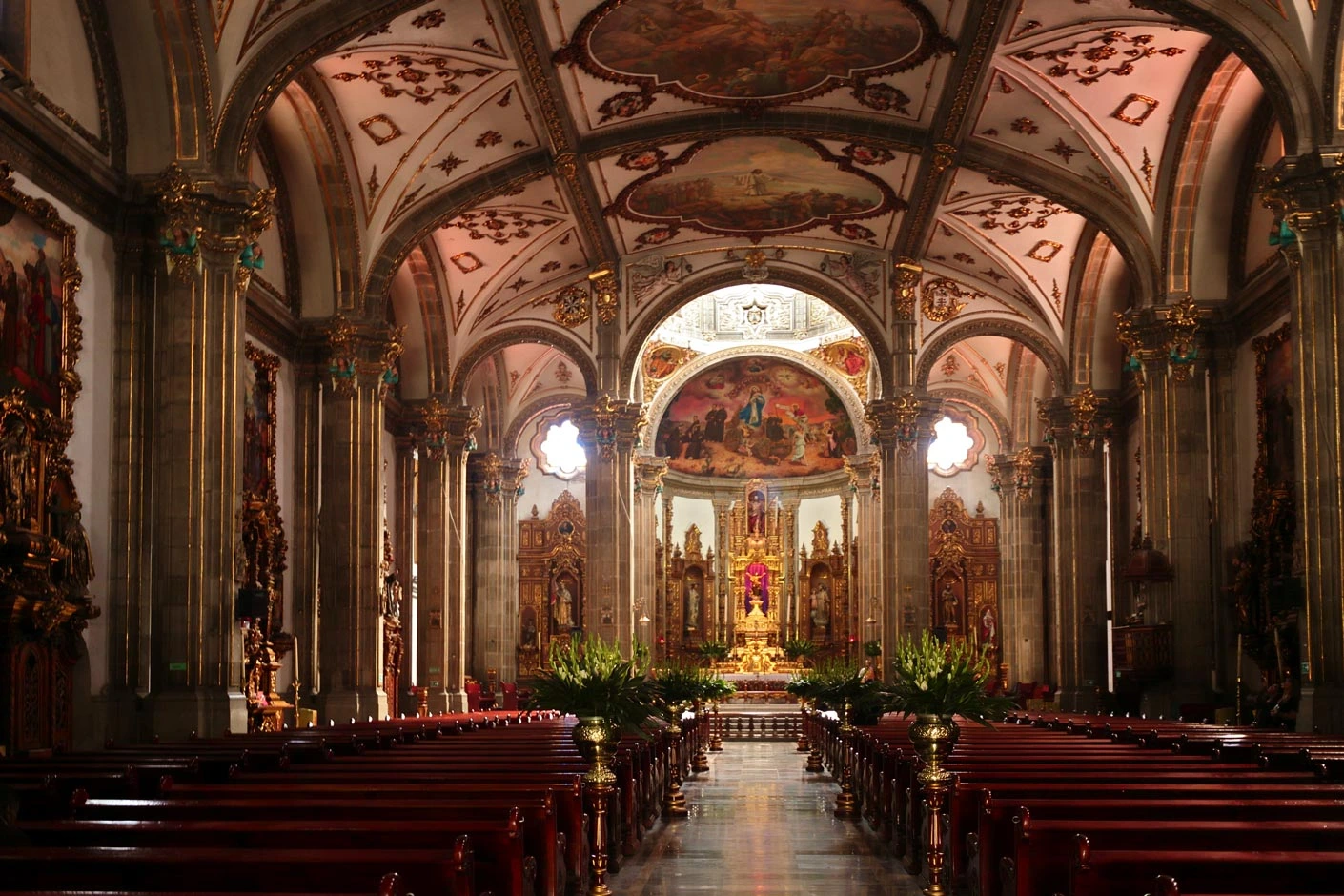
la casa azul

The house, with its characteristic cobalt blue color, is a reflection of Frida’s intimate world. Inside, visitors can explore rooms, workshops, and spaces that preserve personal objects, furniture, photographs, and the artist’s work tools.

Some of her most important paintings, such as “Viva la Vida,” and sketches that show her creative process are also exhibited.

Visiting La Casa Azul is a unique experience to immerse oneself in the essence of Frida Kahlo: her art, her pain, her passion for Mexico, and her legacy, which continues to inspire generations around the world.

HOURS: Monday: closed Tuesday: 10 AM – 6 PM Wednesday: 11 AM – 6 PM Thursday to Sunday: 10 AM – 6 PM

Special hours: September 15: 10 AM – 2 PM December 24 and 31: 10 AM – 2 PM

Closed on the following days: September 16 October 1 December 3 and 25 January 1, 2025

ADMISSION General admission $320 MXN Residents $160 MXN

IMG 3239 PARROQUIA SAN JUAN BAUTISTA COYOACAN

parroquia
san juan bautista

“THE GILDED SANCTUARY.”

A 16th-century fortress of faith, San Juan Bautista is the spiritual anchor of Coyoacán. Built by Franciscan friars on the ruins of a pre-Hispanic calmecac, this colonial masterpiece is a study in surprise: a rugged, stone exterior that opens into a breathtaking, gold-drenched interior of Baroque altarpieces and celestial murals. 

THE EXPERIENCE: 
It is a sensory retreat from the festive energy of the plazas. Stepping inside is a journey through 500 years of history, where the aroma of incense meets the profound silence of one of the first parishes in the Americas.

THE INSIDER TIP:
Look up at the ornate ceiling. The intricate woodwork and the massive, colorful paintings are among the most spectacular and well-preserved examples of colonial art in Mexico—a “hidden” masterpiece for those who dare to enter.
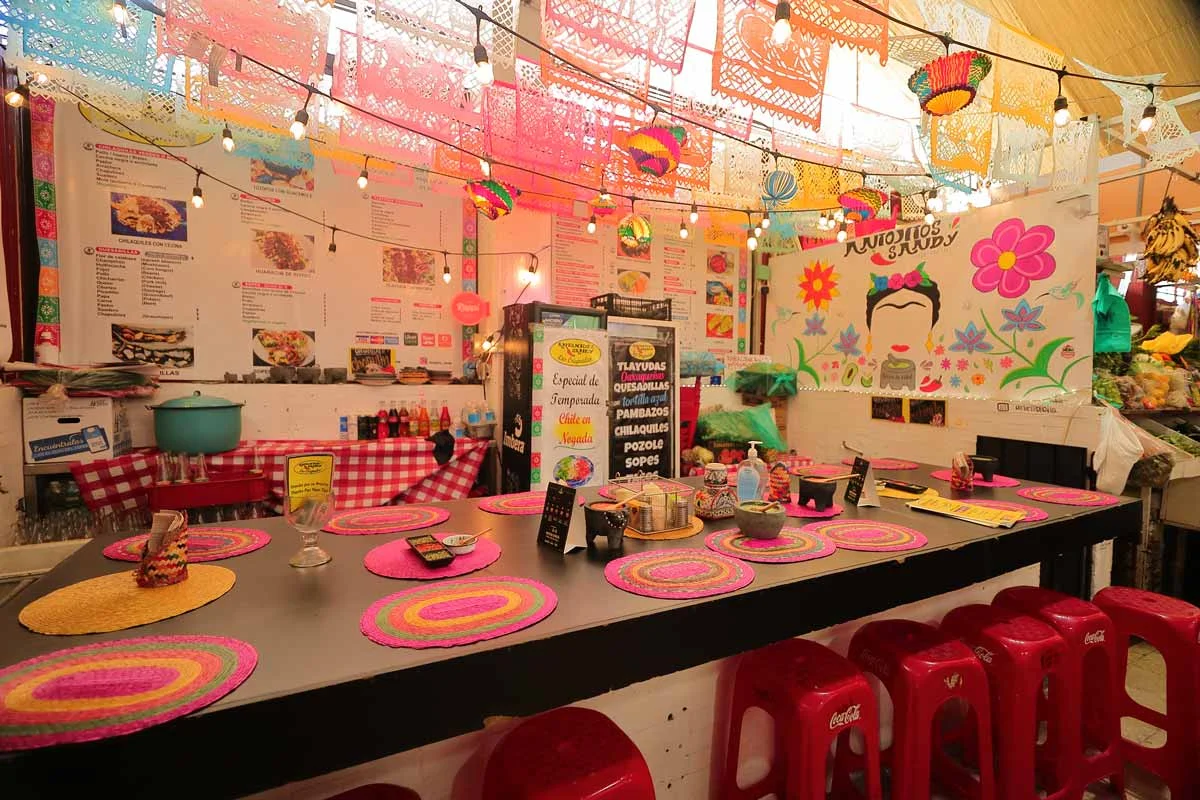
SAN JUAN BAUTISTA

This temple is a jewel of Baroque architecture, with a facade decorated with intricate reliefs and details that reflect the rich creativity of its time.

Upon entering, visitors are greeted by altars, paintings, and carefully crafted frescoes, which attest to the devotion and talent of the artisans who participated in its construction.

Additionally, the church houses a beautiful golden altarpiece that captures the essence of Novohispanic sacred art.

Beyond its historical and architectural value, the Church of San Juan Bautista is a spiritual pillar for the local community. Its location, just steps from the main plazas of Coyoacán, makes it a landmark for those wishing to explore the history and cultural life of the neighborhood.

The church is also known for its vibrant parish life and for hosting religious festivities that attract faithful from around the world.

Mercado de Coyoacán, Ciudad de México, Fotografía por © Kiko Kairuz 2024.

mercado de coyoacán

“THE COLOR FEAST”

A vibrant, high-energy explosion of Mexican soul, the Coyoacán Market is the city’s definitive sanctuary for street-food purists. Since its opening, it has been the high-altitude crossroads where the aroma of toasted corn meets the neon colors of artisan toys and the city’s most legendary tostadas.

THE EXPERIENCE: 
It is a sensory journey through the heart of the neighborhood. Beyond the fresh produce, it offers a raw and authentic “insider” glimpse into the culinary DNA of Mexico—a place where the creative elite and locals share a wooden bench.

THE INSIDER TIP: 
Find the iconic tostada stalls in the center. Grabbing a tinga or shrimp tostada while sitting in the middle of the market’s electric rush is the ultimate weekend ritual that defines the Coyoacán mood.
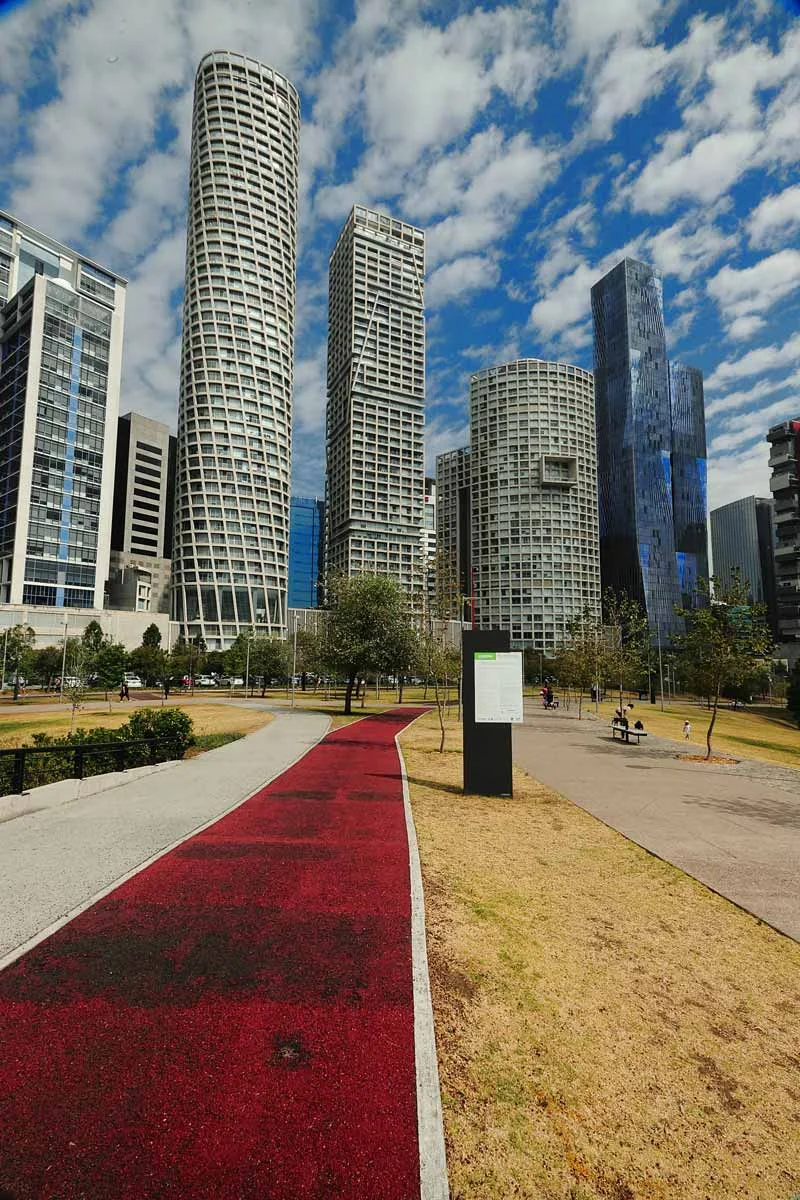
mercado de coyoacán

The market is famous for its wide variety of typical food, such as the iconic carnitas tacos, freshly made quesadillas, and delicious Mexican snacks.

It is also known for its natural juices, ice creams, and typical sweets that delight locals and visitors.

In addition to its gastronomic offerings, the Coyoacán Market has stalls selling handicrafts, clothing, accessories, and everyday products, making it an ideal place to explore and find unique items.

Its atmosphere is warm and welcoming, with friendly merchants who often share the stories behind their products.

museo
de la acuarela

“THE HOUSE OF LIGHT.”

A hidden gem in the historic heart of Coyoacán, the National Watercolor Museum is the first of its kind in Latin America. Founded by the visionary Alfredo Guati Rojo, this sun-drenched sanctuary is dedicated to the ethereal beauty and technical precision of water-based art. 

THE EXPERIENCE: 
It is a masterclass in transparency. Walking through its intimate galleries and lush, blooming gardens is a sensory journey where the city’s electric pulse disappears into a world of fluid color and high-altitude serenity.

THE INSIDER TIP: 
Don’t miss the central garden. It is one of the quietest and photogenic “secret” spots in Coyoacán, offering a rare, meditative atmosphere that has inspired artists for decades.

MUSEO DE LA ACUARELA

Located in the Coyoacán neighborhood, in a house with large gardens and an exceptional café, the museum houses a rich collection of works ranging from pre-Hispanic and colonial watercolors to contemporary pieces by national and international artists.

Its collection highlights the versatility and difficulty of watercolor as a medium of artistic expression.

The museum also organizes temporary exhibitions, workshops, and educational activities, promoting learning and appreciation of art for all ages.

HOURS: MONDAY TO SUNDAY 10 AM – 6 PM

ADMISSION General admission $0.00 MXN

museo de laS culturaS popularES

“THE LIVING CANVAS.”

A high-energy celebration of Mexico’s creative soul, the National Museum of Popular Cultures is a vibrant open-air gallery in the heart of Coyoacán. Since 1982, it has been the city’s definitive stage for the extraordinary artistry, rituals, and colors that define the nation’s diverse grassroots identity.

THE EXPERIENCE:
It is a sensory journey through the “Mexico of the people.” Beyond the galleries, its legendary courtyards host a rotating world of artisan markets, monumental ofrendas, and independent design that brings the country’s folk spirit to life.

THE INSIDER TIP: 
Look for the monumental murals and trees of life in the main courtyard. They are among the most colorful and photogenic “urban art” expressions in the south, perfectly capturing the neighborhood’s bohemian and inclusive pulse.

museo d las culturas populares

The museum stands out for its focus on living practices, such as music, dance, gastronomy, crafts, and festivities.

Its exhibitions are often dynamic and thematic, ranging from traditional textiles and ceramics to more contemporary expressions of folk art.

Additionally, it organizes activities that allow visitors to interact directly with artists and tradition bearers.

The building that houses it is an architectural gem that combines historical elements with modern adaptations, and its central courtyard is a perfect space for outdoor cultural events.

The National Museum of Popular Cultures is a unique window into the cultural roots of Mexico, a place where tradition meets innovation, and a must-visit for those who wish to explore the cultural essence of the country.

Parque La Mexicana Santa Fe, Ciudad de México. Fotografía por © Kiko Kairuz 2024.
Parque “La Mexicana”

santa fé

“THE GLASS FRONTIER.”

Mexico City’s most ambitious urban statement, Santa Fe is a high-octane landscape of soaring glass and steel. As the continent’s premier financial hub, it is a futuristic enclave where global corporate power meets avant-garde living and world-class retail. 

THE EXPERIENCE: 
It is a masterclass in modern scale. From the monumental Centro Santa Fe—one of the largest shopping sanctuaries in the Americas—to the sleek campuses of elite universities, the district vibrates with a sophisticated, fast-paced international energy. 

THE INSIDER TIP: 
Visit Parque La Mexicana. This award-winning “hidden” eco-park, carved into an old quarry, offers the most dramatic perspective of the skyscraper canyon—the ultimate “New Mexico City” photo for 2026.

PARQUE LA MEXICANA
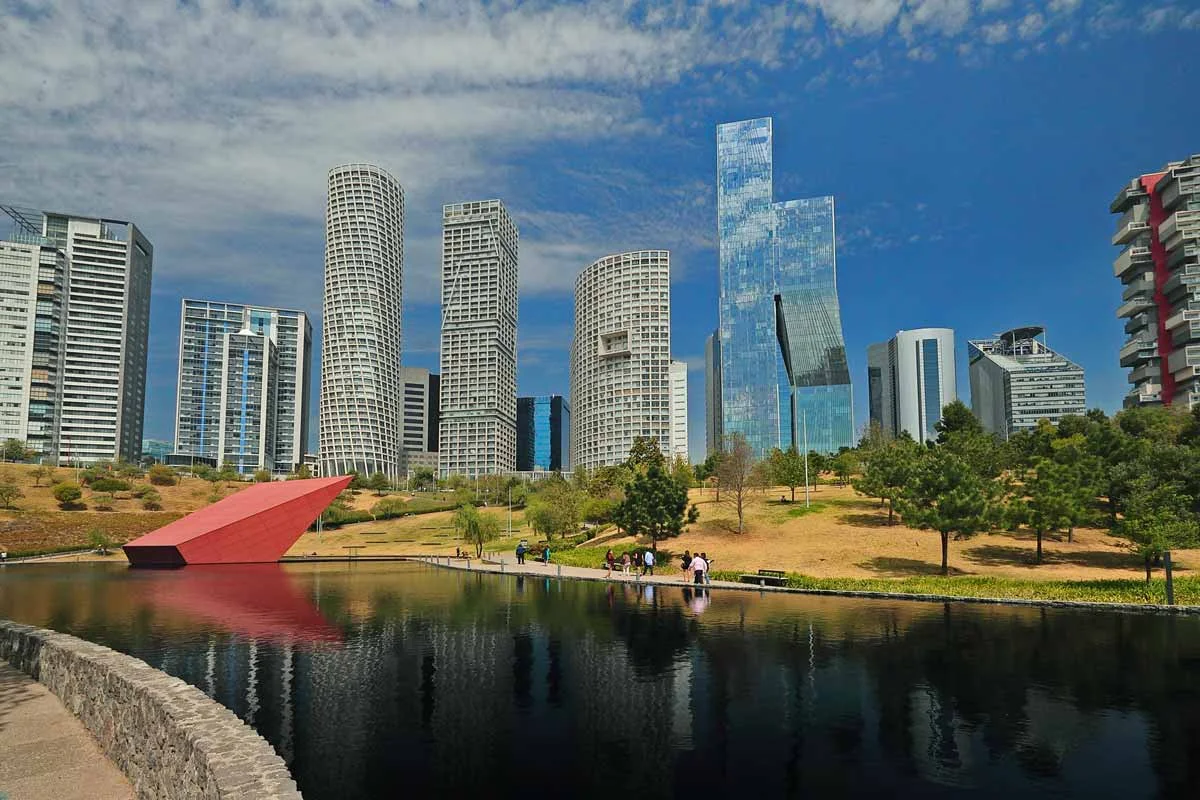


Parque La Mexicana Santa Fe Ciudad de México CDMX. Fotografía por © Kiko Kairuz 2024.

parque la mexicana

“THE SKYSCRAPER OASIS.”

An award-winning masterpiece of landscape architecture, Parque La Mexicana is the city’s most ambitious green statement. Carved into a former quarry, this 30-hectare high-altitude sanctuary is a breathtaking dialogue between lush nature and the soaring Santa Fe skyline.

THE EXPERIENCE: 
It is a masterclass in modern living. From its serene lakes and hidden gardens to its avant-garde gourmet terrace, the park vibrates with a sophisticated, cosmopolitan energy that has redefined the city’s urban pulse.

THE INSIDER TIP: 
Walk the elevated running track at sunset. It offers the most dramatic, panoramic perspective of the glass canyon—the ultimate “New Mexico City” photo that highlights the scale and ambition of this 2026 landmark.

la mexicana

The park features extensive green areas, artificial lakes, walking and cycling paths, making it ideal for outdoor activities such as walking, running, or cycling. It also offers sports areas, children’s play zones, pet areas, and a skatepark.

Additionally, it has a section of restaurants and cafes that allow visitors to enjoy gastronomy while appreciating the surroundings.
One of the highlights of La Mexicana is its sustainable design, with rainwater harvesting systems, efficient lighting, and a focus on integrating nature with the urban landscape. This park is not only a recreational place for Santa Fe residents and visitors but also a model of how spaces can be reclaimed for the benefit of the community.

Scroll to Top